
What does it consist of?
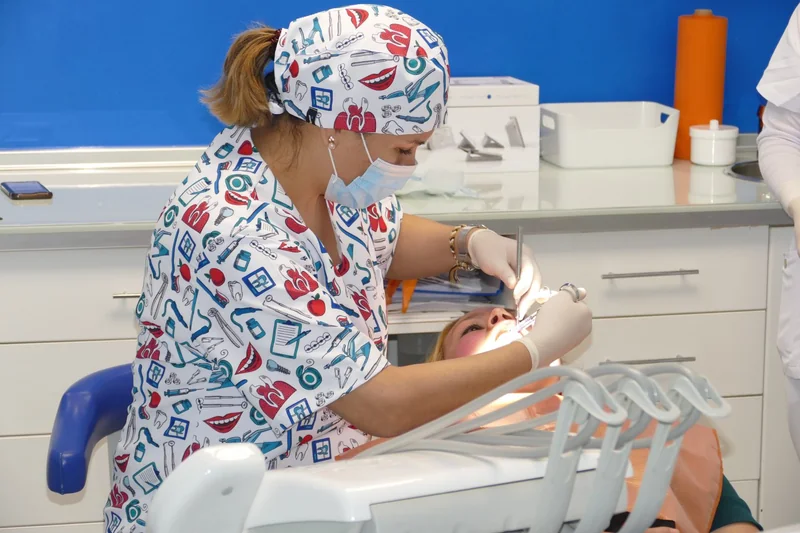
Restorative dentistry aims to prevent and treat damage while preserving as much healthy tooth tissue as possible. It includes diagnosing tooth decay and choosing restorations suited to the size and location of the damage.
This is how your treatment is planned.
We examine the tooth and assess your risk of decay. Depending on the damage, we may recommend prevention, a direct filling or an indirect restoration, explaining the alternatives.
How it may help you
- Preserving healthy tooth tissue
- Restoring shape and function
- Preventing further damage
Can it be for you?
Restorative care may help with tooth decay, small fractures, wear or damaged restorations. An examination distinguishes areas that can be monitored from those that need treatment.
A restoration does not make the tooth immune. It may deteriorate, leak, or require another treatment if the damage reaches the pulp.
Your process, step by step
Times and visits
Some restorations are completed in one visit; others involve laboratory work or follow-up appointments. Timing is explained once the extent of the damage is known.
Your comfort
We assess whether anaesthetic is needed. Temporary sensitivity can occur afterwards. Persistent sensitivity or pain when biting should be checked.
After treatment
Brush with fluoride toothpaste and clean between your teeth. Reducing how often you consume sugar helps prevent new cavities.