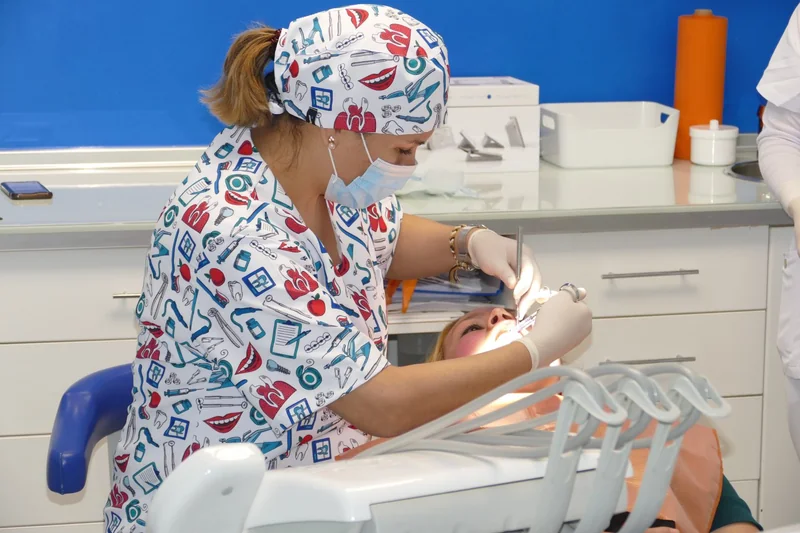

What does it consist of?
Wisdom teeth do not always need to be removed. Extraction is considered when they cause problems or there is a clinical reason, taking their position and nearby structures into account.
This is how your treatment is planned.
We examine the area and arrange imaging when appropriate. The technique, type of anaesthesia and precautions are explained, including the relationship to nerves and other structures.
How it may help you
- Treating the identified problem
- Planning based on tooth position
- Monitoring healing
Can it be for you?
Removal may be indicated for recurrent infection, decay that cannot be restored, damage to the neighbouring tooth or other problems. A wisdom tooth without problems may need monitoring rather than surgery.
Risks include infection, dry socket and, in certain cases, altered nerve sensation. Alternatives and the balance between benefits and risks are assessed.
Your process, step by step
Times and visits
Procedure time and recovery depend on the difficulty. An erupted wisdom tooth and an impacted one may need different approaches and aftercare.
Your comfort
Appropriate anaesthetic is used. Swelling, discomfort and temporary difficulty opening your mouth can occur after extraction.
After treatment
Follow the instructions about protecting the blood clot, cleaning and food. Avoid smoking and seek advice about persistent bleeding, increasing pain or changes in sensation.