
What does it consist of?
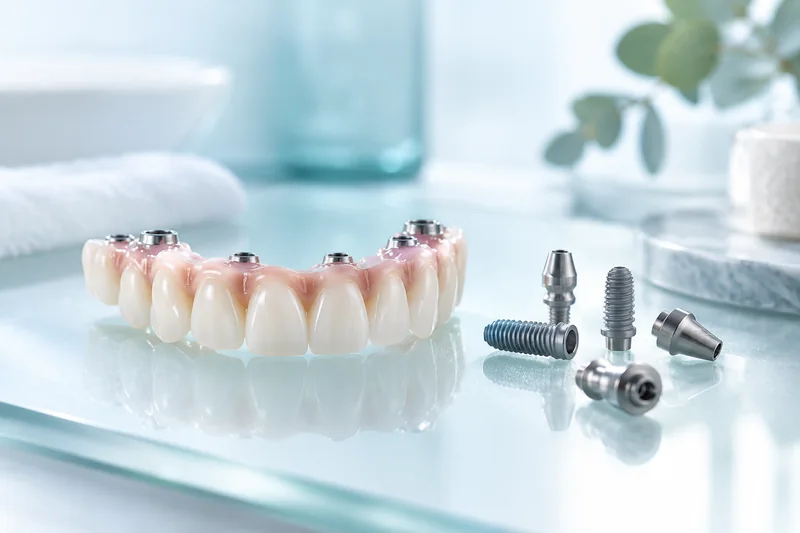
Dental prostheses replace missing teeth or restore damaged teeth with fixed or removable options. Depending on your situation and the design, they may be supported by natural teeth, gums or implants.
This is how your treatment is planned.
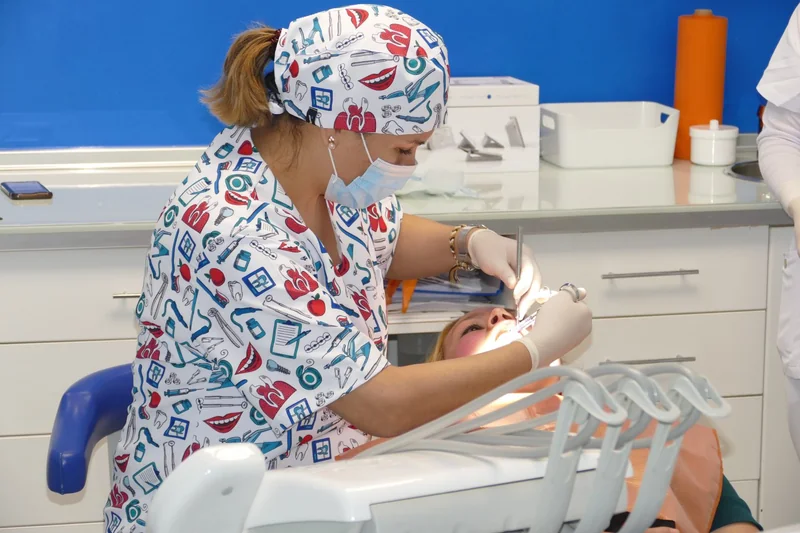
We assess the tissues and bite, take records and carry out fitting appointments. When the prosthesis is fitted, we make adjustments and explain cleaning and the adaptation period.
How it may help you
- Recovery of chewing
- Aesthetic replacement
- Different support options
Can it be for you?
A prosthesis may be considered when teeth are missing or a tooth needs a substantial restoration. The choice takes oral health, cleaning ability, function and your preferences into account.
Materials wear and the mouth changes over time. A prosthesis may need repair, relining or replacement. Different options offer different levels of stability.
Your process, step by step
Times and visits
Several appointments and laboratory work are often needed. The adaptation period may involve further adjustments after fitting.
Your comfort
Speaking or chewing may feel different at first. A prosthesis that causes sores or pain should be checked. Do not try to adjust it yourself.
After treatment
Clean the prosthesis and supporting structures according to its type. Attend maintenance appointments even if you have no natural teeth remaining, so the tissues and fit can be checked.