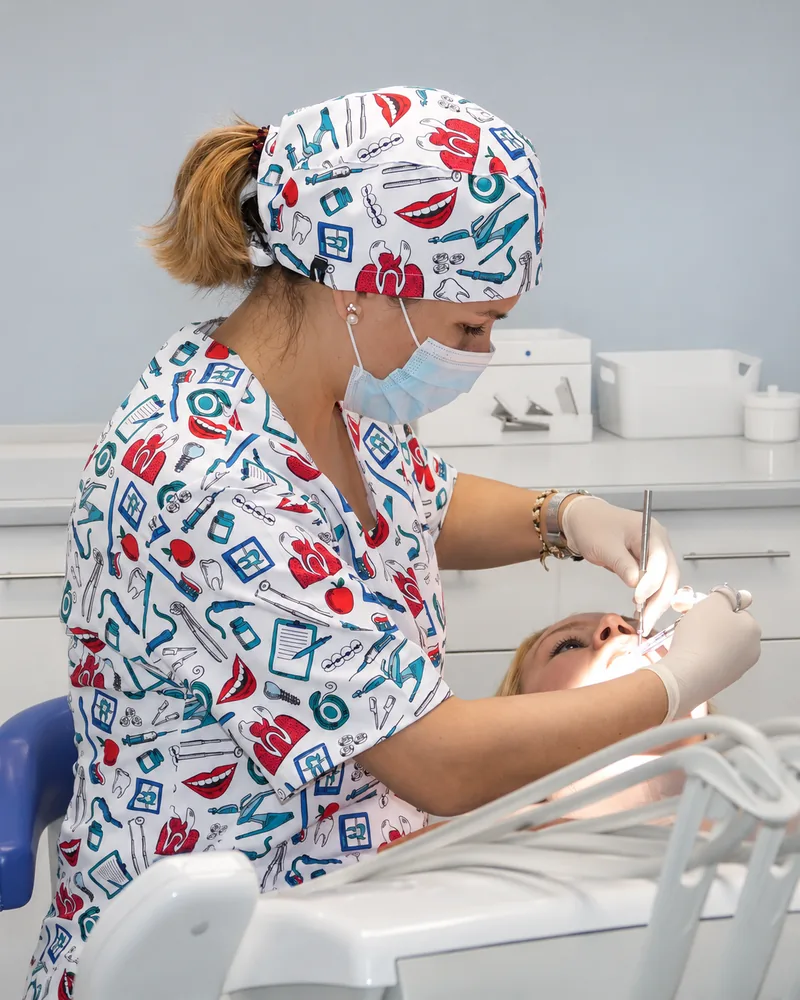
Root canal treatment and periodontal care: differences and when they are needed
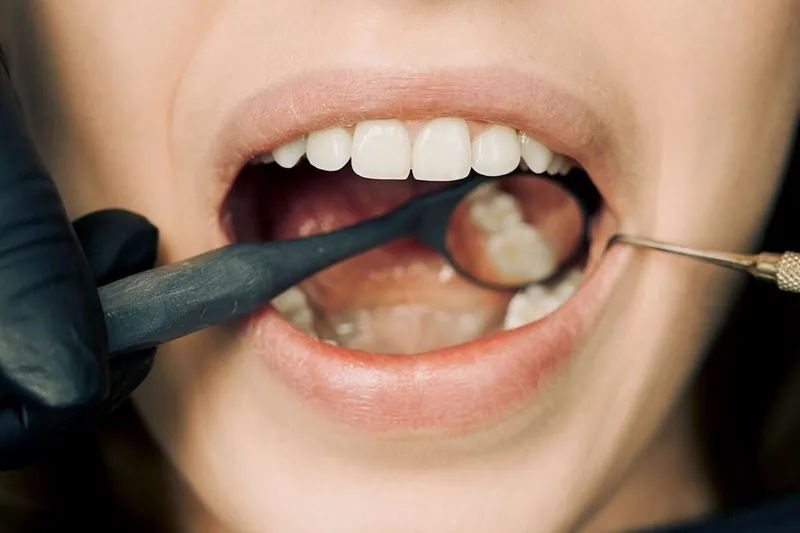
When we feel discomfort in the mouth or go to a dental examination, it is common to hear terms like endodontics o periodonce. Although both specialties share a fundamental goal — save your natural teeth and avoid extraction — they act in completely different areas of the mouth.
Knowing how to identify what happens to your smile is the first step in losing the dentist’s fear. In this article we explain to you in a simple way how they differ, what their advantages are and when it is necessary to apply each treatment.
In ODONTOFAMILY We take care of your oral health with our clinics located in Bilbao and Getxo. Our team of expert dentists stands out for offering the best treatments invisible orthodontics, dental aesthetics and dental implants in Bilbao. Thanks to our multidisciplinary approach, which includes periodontics, endodontics and pediatric dentistry, we have state-of-the-art technology to design tailor-made solutions and make you smile with total confidence.
Main difference between endodontics and periodontics
The key difference lies in the area of the tooth concerned: Endodontics acts inside the tooth (the nerve), while periodontics treats the outside and supporting tissues (the gum and bone).
To understand it better, imagine that the tooth is a house: endodontics repairs the internal pipes and interior structure, while periodontics is responsible for ensuring that the foundations and terrain on which the house rests are firm and healthy.
|
Characteristic |
Root canal treatment |
Periodontal care |
|
Affected area |
Inside the tooth (pulp or nerve). |
External tissues (gums, ligament and bone). |
|
Main case |
Deep caries or trauma. |
Accumulation of bacteria (sarf) under the gum. |
|
Common symptom |
Acute pain, extreme sensitivity to cold/heat. |
Gum bleed, dental mobility, bad breath. |
|
Objective |
Keep the part removing the damaged nerve. |
To heal the gum and stop bone loss. |
If you notice bleeding when brushing or a sharp pain that won't let you rest, it's ideal not to let it go. A timely assessment can prevent the problem from becoming complicated.
What is endodontics and in what cases does it apply?
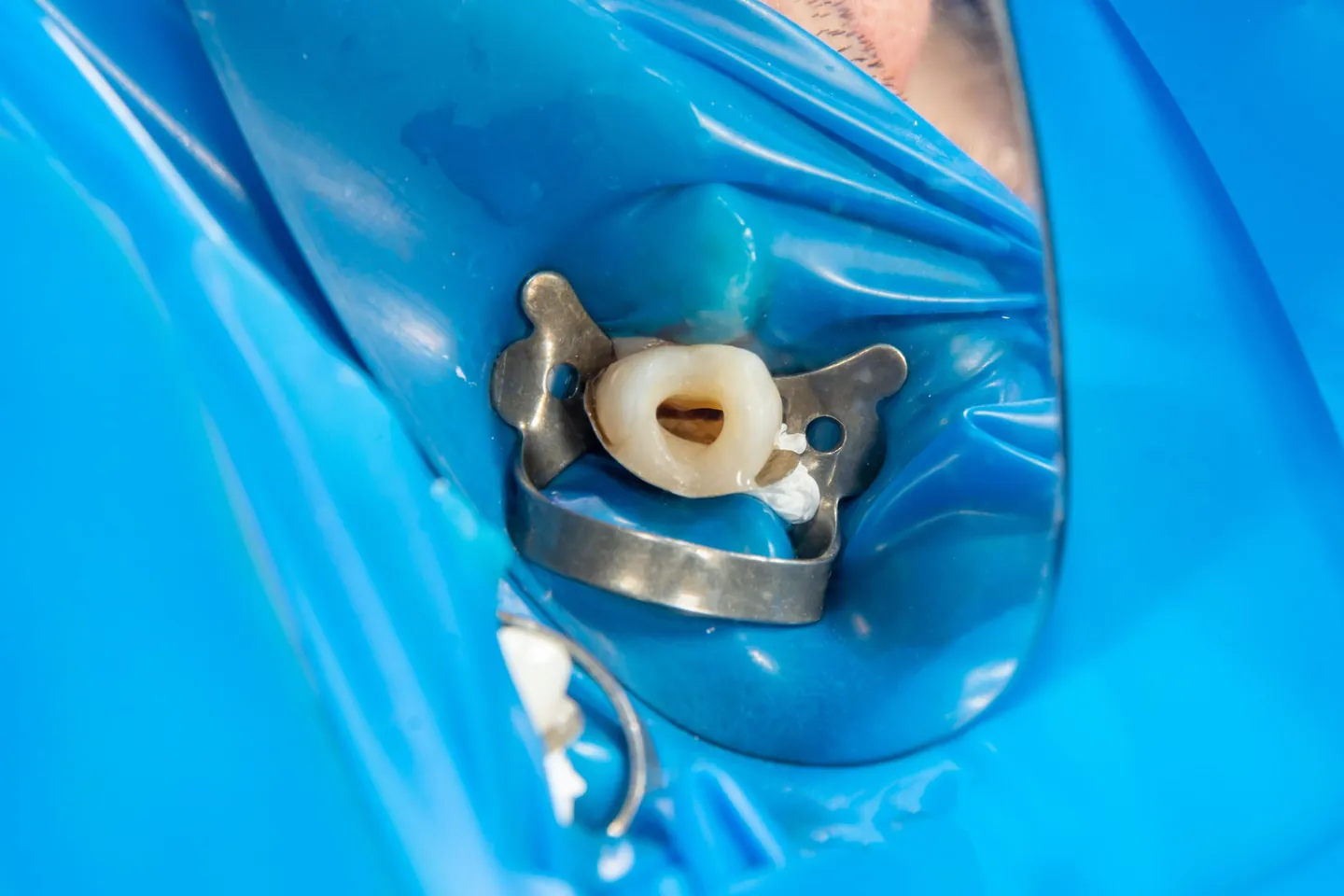
Popularly known as “killing the nerve”, endodontics is a procedure that is done when the tooth pulp (the soft tissue inside the tooth where the nerves and blood vessels are) becomes infected or inflamed irreversibly. This usually happens due to very advanced cavities, fractures or blows to the tooth.
Learn more about endodontics Here.
Advantages of Endodontics
- Eliminates pain: When the damaged nerve is removed, acute root pain disappears.
- Save your tooth: Avoid removing the part and placing a dental implant.
- Function and aesthetics intact: The tooth continues to perform its function by chewing and maintains your natural smile.
Types of endodontics: Multiradicular endodontics
Not all teeth are the same inside. Incisors and canines usually have a single root (a conduit), but the teeth are more complex. multiradicular endodontics is one that is done in dental pieces that have two, three or more roots (like molars). It requires a great precision and the use of advanced technology to clean each of the ducts in a millimetric way.
The process: How long does it take to make an endodontic?
Usually, endodontics are performed in one session of between 60 and 90 minutes, depending on the complexity of the tooth (if monoradicular or multiradicular). In cases of very severe infections, the specialist may decide to make two appointments to ensure that the area is completely disinfected before the definitive sealing.
Timeout between endodontics and reconstruction (or crown)
After cleaning the ducts, the tooth is temporarily protected with a temporary filling. final reconstruction or placement of a crown (fund) within a period of 7 to 15 days. It is not advisable to delay it much longer, since an endodontic tooth is more fragile and runs the risk of fractured with chewing if it is not properly protected.
Frequent doubts about endodontic treatment
What hurts the most, an endodontics or an implant?
This is one of the most repeated questions in consultation. The answer is surprising to many: Neither of us should hurt.Both treatments are performed under effective local anesthesia. During endodontics you won't feel anything. In the case of implant, postoperative may be somewhat more annoying due to bone manipulation, but it is perfectly controllable with common painkillers.
Why does a tooth hurt with endodontics after years?
If a tooth does not have a nerve, how can it hurt? Pain usually comes from the tissues around the tooth. The most common causes after the years are a leak of new cavities, a microfracture in the root or that some microscopic duct could not be cleaned at the time (which would require a reendodence).
How much does a root canal cost?
The price varies depending on the type of tooth. Endodontics in a frontal tooth (one conduit) is cheaper than multiradicular endodontics (molars), due to the time and precision material required.
Each case is unique and requires a prior X-ray to assess the tooth structure. If you have doubts about a budget, we will be happy to study your case in a personalized way.
What is periodontics treatment and when is it applied?
Periodontics is the branch of dentistry that deals with the health of the gums and bone that sustain your teeth. Unlike endodontics, which usually affects a single tooth, periodontal problems usually affect the entire mouth and are caused by the accumulation of bacterial plaque and tartar.
Learn more about periodontics Here.
Dental wear due to bruxism
- Stops tooth loss: It prevents the destruction of the bone that holds the teeth.
- Improves general health: It eliminates bacteria that can pass into the bloodstream, related to heart problems or diabetes.
- Eliminates bleeding and bad breath: It returns to the gums its pink color and its natural firmness.
How to cure periodontitis? Dental curing
gingivitis (inflammation and superficial bleeding) is reversible with good cleaning. However, if it evolves to periodontitisThe bacteria are starting to destroy the bone.
To cure it and stop it, the dental curettage This treatment consists of thoroughly cleaning the “periodontal bags” that form under the gum, eliminating the tartar glued to the root of the tooth so that the gum can reattach strongly to it.
How long does a periodontic treatment take?
Unlike endodontics, which is solved in an appointment for a particular tooth, periodontics approaches the entire mouth and is usually divided into several phases:
- Cureting or scraping: They are usually divided by quadrants (four parts of the mouth) or arcades (above and below). 2 and 4 meetings of about 45 to 60 minutes Each.
- Maintenance: Periodontitis is a chronic disease. Once the infection is controlled, it is vital to perform periodontal maintenance visits each 4-6 months (dates of about 30-40 minutes) to prevent bacteria from destroying the bone again.
Relationship between orthodontics and periodontics
If you are thinking of lining your teeth, the health of your gums comes first. Moving teeth on a bone or a sick and swollen gum can speed up dental loss. Therefore, before starting any orthodontic treatment, periodontal treatment is mandatory to ensure that the “foundations” of your mouth are healthy and ready to withstand the strength of the braces or clear aligners.
How much does a periodontic treatment cost?
The cost depends on the state of progress of the disease. It is usually budgeted by “squares” (dividing the mouth into four zones) if curetajes are needed. As with any health problem, the sooner it is detected, the easier and cheaper the treatment will be.
We take care of your smile: Endodontics and Periodontics Specialists
The health of your mouth directly influences your daily well-being and your confidence in smiling. Whether you have acute pain that may require endodontics, or if you notice your swollen or sensitive gums, the key to success is always an early and accurate diagnosis.
If you are looking for professional and close advice, we invite you to take the first step. At our clinics we will evaluate your case without any compromise, explaining in detail what your smile needs to be healthy.
- Experts in Bilbao: Find your trusted dental care in the heart of Bilbao, with state-of-the-art technology to make you feel calm at all times.
- Getxo specialists: We take care of you and your family at our Getxo facilities, offering you personalized treatments in a comfortable and relaxed environment.
Do you have doubts about which option is the most suitable for your case or do you want to know more about the techniques and materials of our treatments?The health of your mouth is unique and deserves a personalized attention.
We invite you to visit our dental clinic in Las Arenas, Getxo, in Rekalde or Bilbao, Bilbao. Our team of specialists will be happy to welcome you, make a complete diagnosis of your smile and explain in depth, step by step, the ideal treatment plan for you.
Dental clinic in Bilbao
Make an appointment in BilbaoDental clinic in Las Arenas, Getxo
Make an appointment in GetxoDental clinic in Bilbao, Bilbao
Make an appointment in BilbaoGeneral oral health information. Your dentist’s assessment is needed to tailor any recommendation to your individual circumstances.
Keep reading the blog