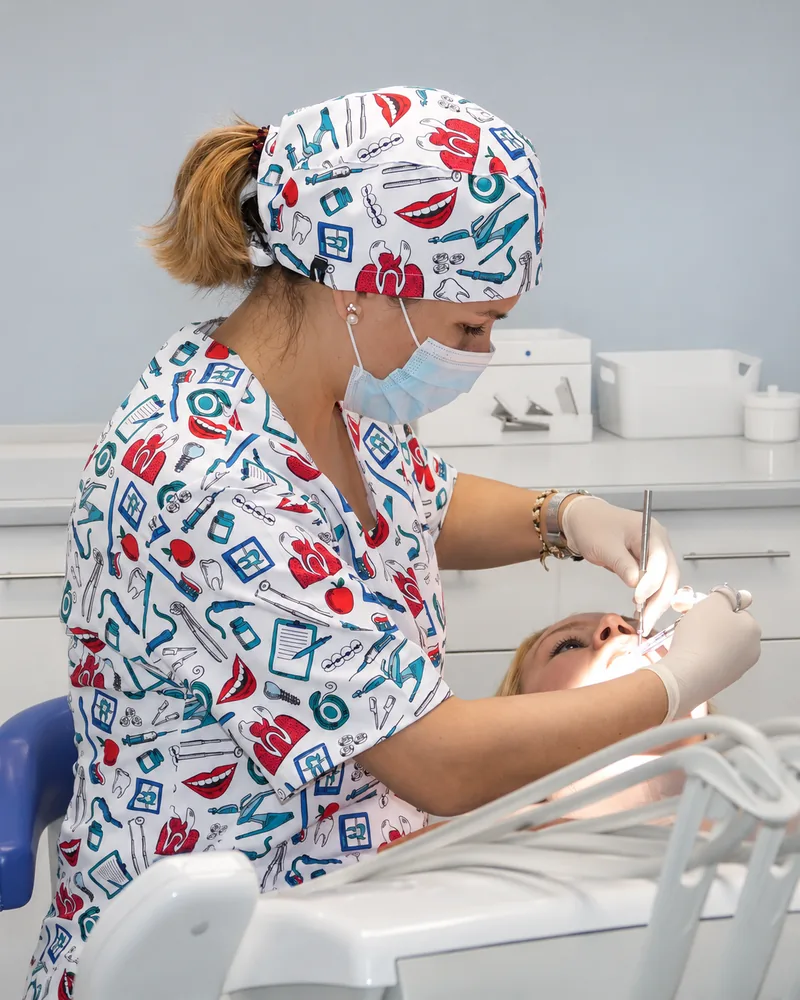
Periodontitis: causes and treatment in Bilbao

All about Periodontitis
What is periodontitis?
Periodontitis is a chronic inflammatory disease that affects the tissues that surround and sustain the teeth, known as periodontitis. It occurs when untreated gingivitis (surface inflammation of the gums) advances and causes progressive destruction of bone and ligaments that hold the dental pieces.
This condition is caused mainly by the accumulation of bacterial plaque under the gum line. If it is not adequately eliminated with good oral hygiene and regular dental cleaning, the plaque hardens and becomes tartar, favoring the proliferation of pathogenic bacteria.
As periodontitis progresses, gums shrink, periodontal bags form, and teeth may loosen or even fall. It is one of the leading causes of dental loss in adults worldwide.
What is gingivitis and periodontitis?
The gingivitis and the periodontitis are periodontal diseases that affect the gums, but are not the same. degree of involvement gingivitis is the initial stage, the mildest form. At this stage there is no loss of bone or permanent damage. However, periodontitis is the most advanced and chronic stage and untreated evolution of gingivitis.
Main causes of periodontitis.
Periodontitis can occur for many causes, however the most common is plaque and tartar accumulation.
- Plate and tartar accumulation:
The bacterial plaque accumulation is the most common and direct cause of the development of periodontitis. Plate is a sticky, colourless film composed of bacteria and food residues that are constantly formed on the teeth and gums.
When it is not properly removed through the daily brushing and flossing, this plate hardens over time and becomes tartar, a yellowish or brown substance that adheres strongly to the dental surface and cannot be removed with the common brushing.
The tartar provides an ideal environment for bacteria to multiply and penetrate below the gum line, which generates a inflammatory response of the immune system. This chronic inflammation damages the gingival tissue and, progressively, the bone that holds the teeth.
- Risk factors (tobacco, genetics, systemic diseases):
In addition to plaque and tartar accumulation, there are risk factors These factors do not cause the disease on their own, but do influence its onset, progression and severity. Among the most relevant are:
- Tobacco
- Drug use
- Gingivitis
- Genetics
- Diseases (diabetes, Crohn’s disease, HIV/AIDS)
Periodontal disease symptoms
The periodontitis usually advance quietly in its early stages, but as it progresses, obvious signs of gum damage and dental support structures begin to manifest. Recognizing these symptoms in time is key to avoiding serious complications. Our team of specialists from ODONTOFAMILY Periodontics is ready to help you solve your symptoms and treat them safely and effectively, with modern technology and close treatment.
- Inflamed or bleeding gums:
One of the earliest and most frequent symptoms of periodontitis is inflammation of the gums The gums are red, swollen and sensitive to touch.
- Persistent bad breath:
The constant bad breath, also known as halitosis, is another characteristic symptom of periodontitis. Unlike occasional bad breath, this type of halitosis does not improve with mouthwashes or with the usual hygieneas it is associated with an active infection.
- Dental mobility:
In advanced stages, periodontitis damages the bone and ligaments that sustain the teeth. As a result, it may appear: feeling of loose teeth, separation between dental pieces, changes in bite or chewing.
Consequences of not treating periodontitis:
Ignoring the symptoms of periodontitis or delaying your treatment may have serious consequences for oral and general health. This disease not only puts at risk the integrity of the teeth, but can also affect other parts of the body due to the chronic inflammation and the spread of bacteria.
- Loss of teeth:
The most direct and visible consequence of advanced periodontitis is loss of dental parts. As the infection destroys gingival tissue, periodontal ligament, and alveolar bone, the teeth begin to loosen, move from their position, and eventually fall or require extraction.
- Impact on general health (diabetes, heart disease):
More and more scientific studies confirm that periodontitis is not just a local disease, but may have systemic impacts Some of the main ones are diabetes, respiratory diseases, cardiovascular diseases, among others.
Periodontitis treatment.
Treatment of periodontitis is aimed at stopping the advance of the disease, controlling bacterial infection and preserving the structures that sustain the teeth. The type of intervention will depend on the degree of severity The most common methods are described below:
- Deep cleaning (scraping and root straightening):
The first step in the treatment of periodontal disease is usually a Professional deep cleaningalso known as radicular scraping and straightening. This procedure consists of removing the plaque and tartar accumulated both above and below the gum line and softening the surface of the dental roots to make it difficult for future accumulation of bacteria.
- Antibiotics and rinses:
In many cases, mechanical treatment is supplemented by oral or topical antibiotics to fight bacterial infection. These can be given in the form of pills, gel or antibiotic fibers applied directly to periodontal bags and Therapeutic mouthwashesLike chlorhexidine.
- Periodontal surgery (in advanced cases):
When the disease has caused severe damage and the periodontal bags are deep, it may be necessary to use surgical treatments, like: flap surgery, gums are raised to deeply cleanse the roots and then they are re-saturated. Bone or tissue grafts to regenerate the lost bone or cover exposed roots and guided tissue regeneration, use membranes or proteins to stimulate the growth of new bone and connective tissue.
In ODONTOFAMILY, we count on advanced technology and a team specialized in the treatment of periodontitis.
Prevention of periodontitis
The best way to fight periodontitis is prevent it from appearing. Although this disease may have genetic or systemic components, most cases can be prevented with daily habits of oral care and a healthy lifestyle. Here are the most effective measures to prevent periodontal disease:
- Adequate oral hygiene:
Proper oral hygiene is the fundamental basis for preventing the accumulation of bacterial plaque, the main cause of periodontitis. It allows to maintain healthy gums and reduces the risk of inflammation.
- Regular visits to the dentist:
Periodic consultations with the dentist are key to detecting in time any signs of periodontal disease. Early diagnosis significantly improves prognosis and avoids more invasive treatments. ODONTOFAMILY We have a team specialized in the diagnosis and treatment of periodontal diseases. Our priority is to help you maintain a healthy smile and prevent major complications, so do not hesitate to book an appointment in case you notice any symptoms.
- Healthy Habits:
Certain behaviors may significantly enhance or reduce the risk of periodontitis such as avoid tobacco use, maintain a balanced diet and cOntroll systemic diseases.
General oral health information. Your dentist’s assessment is needed to tailor any recommendation to your individual circumstances.
Keep reading the blog