When do wisdom teeth need to be removed?
Wisdom teeth, also known as third molars, are the last teeth to erupt in the mouth, usually between 17 and 25 years of age. However, their appearance can bring with it a series of problems and complications. In this article, we will inform you about the process of eruption of wisdom teeth, associated symptoms and common problems that may arise. In addition, we will explain when the removal of these teeth is indicated and the process that takes place during the intervention. If you are experiencing discomfort related to your third molars, keep reading to get all the necessary information!
Process of eruption of the wisdom teeth
Wisdom teeth usually erupts between the ages of 20 and 30, but there may be individual variations. It is important to be attentive to the symptoms of the rash of the wisdom teeth, since in some cases, it may be necessary to remove them to prevent complications and maintain good oral health. If you experience discomfort or notice changes in the area of the wisdom teeth, it is advisable to go to an oral surgery specialist to assess the situation and determine the appropriate course of action. The extraction of the wisdom teeth is done under local anesthesia and may require different techniques depending on each case.
Common problems related to wisdom teeth
Complications when wisdom teeth does not erupt correctly:
Pain and inflammation associated with wisdom teeth: lack of space can cause pain and inflammation in the gum and surrounding tissues.
Infections and cavities in the wisdom teeth: lack of access and space for adequate dental hygiene increases the risk of infections and cavities.
Pain and inflammation associated with wisdom teeth:
When the wisdom teeth erupts incorrectly, you may experience pain and inflammation This discomfort can make chewing difficult and cause constant discomfort. In addition, inflamed tissue may drain and develop abscesses, which requires immediate dental treatment.
Infections and cavities in the wisdom teeth:
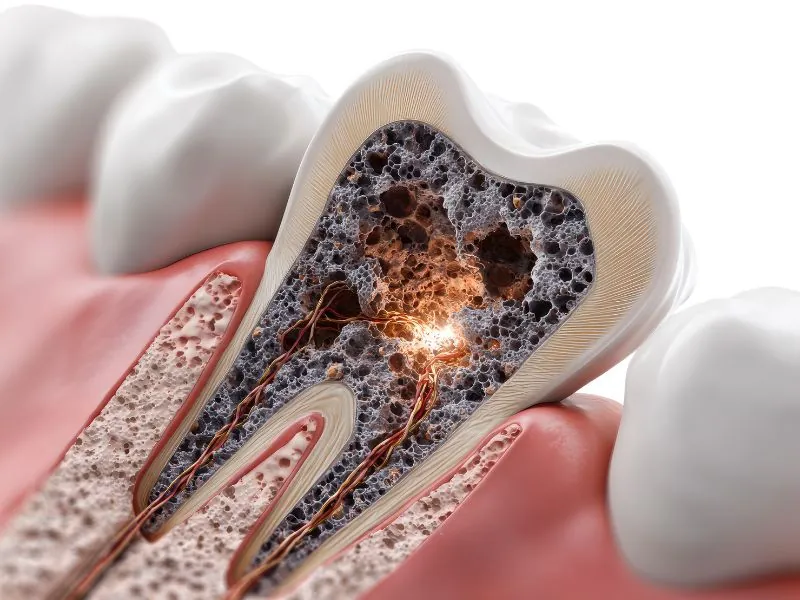
Lack of space and difficulty in maintaining adequate dental hygiene around the wisdom teeth can lead to the development of infections and cavities. The accumulation of bacteria and the lack of access to brushing and flossing properly can lead to gum disease and bone loss. In addition, impacted wisdom teeth can hinder hygiene in adjacent teeth, increasing the risk of cavities.
It is important to take into account the complications associated with wisdom teeth when they do not erupt correctly. The dentist will evaluate each case individually to determine whether the wisdom teeth removal is necessary. In the event of any discomfort or inflammation related to the wisdom teeth, it is essential to go quickly to the specialist to receive the appropriate treatment and prevent future complications.
Indications for extracting the wisdom teeth
Wisdom teeth, also known as third molars, may require extraction in certain cases. Here are some situations where this procedure is necessary.
When wisdom teeth cause damage to neighboring teeth
The lack of space for wisdom teeth to erupt properly can cause pressure to be exerted on adjacent teeth. This can cause damage to neighboring teeth, increasing the risk of cavities, dental malposition or even cyst formation. In these cases, wisdom teeth extraction is recommended to avoid future problems and preserve oral health.
When Wisdom Teeth Causes Recurrent Pain and Disease
Wisdom teeth may cause frequent pain and discomfort due to its impaction or partial rash. This may lead to discomfort when chewing, gum inflammation, urination, abscesses and other associated symptoms. In these cases, removing the wisdom teeth can relieve recurrent pain and improve the patient's quality of life.
When the wisdom teeth are ovulated or impacted
If the wisdom teeth are ovulated or impacted, i.e. they cannot leave the gums completely, they can lead to complications such as infections, gum disease and bone loss in the affected area. In addition, the difficulty in maintaining proper dental hygiene in this area can favor the appearance of cavities and other oral pathologies. In these cases, the removal of the wisdom teeth is necessary to avoid more serious problems in the future.
Removal of the wisdom teeth may be necessary when they cause damage to neighboring teeth, cause recurrent pain and discomfort, or are ovulated or impacted. If you present any of these situations, it is important to go to a dental specialist to evaluate your specific case and determine if extraction is required. Remember that the final decision will always be made by the professional, who will ensure your health and oral well-being.
Extraction process of the wisdom teeth
Types of Wisdom Teeth Extraction
When it is necessary to extract the wisdom teeth, there are different types of extraction that the dentist can carry out. These methods include:
- Simple extraction: It is the most common procedure and consists of removing the wisdom tooth without complications. It is performed under local anesthesia and the dentist extracts the tooth using specialized tools.
- Surgical extraction: In some cases, when the wisdom teeth is impacted or not fully erupting, the dentist may opt for surgical removal. This procedure requires incisions in the gum to access the tooth and may involve bone removal or the need to cut the tooth to facilitate removal.

Preparation prior to the extraction of the wisdom teeth
Before removing the wisdom teeth, it is important to carry out an appropriate preparation. This involves evaluating the position of the tooth through an examination with a specialist in oral surgery. The dentist will perform an X-ray or tomography scan to determine the location of the tooth and evaluate if there are possible complications. The patient’s medical history will also be analyzed to ensure the safety of the procedure.
Recovery and care after wisdom teeth extraction
Following the removal of the wisdom teeth, it is essential to follow the dentist's indications for proper recovery and to avoid complications. These care can include:
- Take the anti-inflammatory and analgesic medication prescribed to control pain and inflammation.
- Perform antiseptic rinses with solutions provided by the dentist to maintain good oral hygiene and prevent infections.
- Avoid hot foods or beverages for the first 24 hours after extraction.
- Avoid smoking and drinking alcohol, as they can delay healing.
- Apply ice compresses to the affected area to reduce inflammation.
The removal of the wisdom teeth can be done in different ways depending on the situation of each patient. It is important to follow the indications of the dentist to ensure proper recovery and prevent possible complications. Therefore, it is crucial to go to an oral surgery specialist for any discomfort or situation involving these teeth.
Frequently asked questions about When is it necessary to extract the wisdom teeth?
What if I don't get my wisdom teeth?
What if I don't get my wisdom teeth?
Wisdom teeth, also known as third molars, are a set of teeth that appear in the late stage of adolescence or early adulthood. On many occasions, these teeth do not have enough space to erupt correctly, which can lead to various oral problems.
If wisdom teeth is not removed properly, complications such as:
1. Pain and discomfort: Wisdom teeth can cause severe pain due to incorrect or partial rash. This can cause inflammation of the gums and difficulty opening the mouth or chewing properly.
2. Infections: Being hard-to-reach and clean teeth, wisdom teeth is prone to the accumulation of food and bacteria, which can lead to abscesses or oral infections.
3. Dental displacement: If the wisdom teeth do not have enough space to erupt properly, they can push and move the adjacent teeth. This can cause changes in the denture position and the need for future orthodontic treatment.
4. Jaw damage: In some cases, wisdom teeth can develop very close to the mandibular nerve. If this nerve is damaged during removal of the tooth, it can result in numbness or paraesthesia of the tongue, lower lip, or cheek.
5. Caries and periodontal disease: Poorly positioned wisdom teeth can hinder oral hygiene and encourage bacterial plaque accumulation, increasing the risk of developing caries and periodontal diseases.
For all these reasons, it is essential to go to a dentist to assess the need to extract the wisdom teeth. If it is determined that extraction is necessary, a surgical procedure will be performed under local or general anesthesia, depending on the case.
Remember that each person is unique, so it is important to consult a dentist to receive a personalized diagnosis and treatment. Do not delay the extraction of your wisdom teeth, as it may cause long-term discomfort and oral problems.
General oral health information. Your dentist’s assessment is needed to tailor any recommendation to your individual circumstances.
Keep reading the blog