Oral hygiene with braces
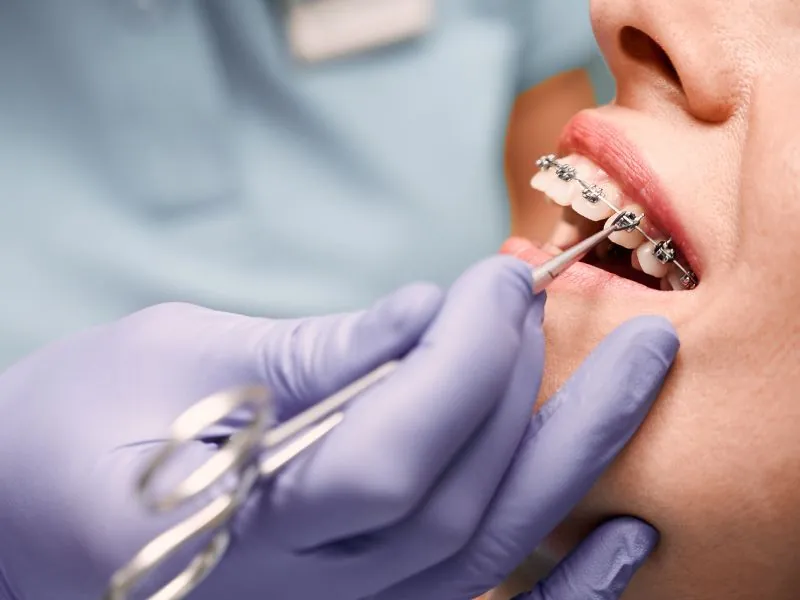
Maintaining good oral hygiene with braces is crucial to ensure the success of any orthodontic treatment. During this process, the impact of braces on oral health can be significant, both positive and negative. It is important to highlight the consequences of poor hygiene with braces, which may include plaque build-up, caries and gum inflammation.
In this article, we will provide you with tips for correct cleaning with braces, including how to brush your teeth effectively and the proper use of dental floss and mouthwash. We will also address the importance of proper feeding and oral care during treatment, including foods to be avoided and recommendations for a healthy diet compatible with braces. In addition, we will highlight the importance of regular dental visits and possible additional treatments that may be needed to maintain good oral hygiene with braces.
Our goal is to provide you with the necessary information so that you can maintain good oral hygiene throughout the orthodontic treatment process, thus ensuring optimal results and a healthy smile. Read on to find out more!
Importance of oral hygiene during orthodontic treatment
The impact of braces on oral health
During an orthodontic treatment with braces, it is essential to maintain good oral hygiene to ensure the success of treatment and avoid complications such as cavities, bad breath and gingivitis. Brackets can predispose to accumulation of bacterial plaque and food remains around wires and gums, making it difficult to dental cleaningIt is therefore necessary to pay particular attention to oral hygiene during the use of orthodontic devices.
The accumulation of bacterial plaque can lead to the formation of cavities, since bacteria present in the plaque produce acids that damage the tooth enamel. In addition, the presence of braces makes cleaning of teeth and gums difficult, which can lead to inflammation of the gums or gingivitis. If not properly controlled, gingivitis can progress to a more severe periodontal disease.
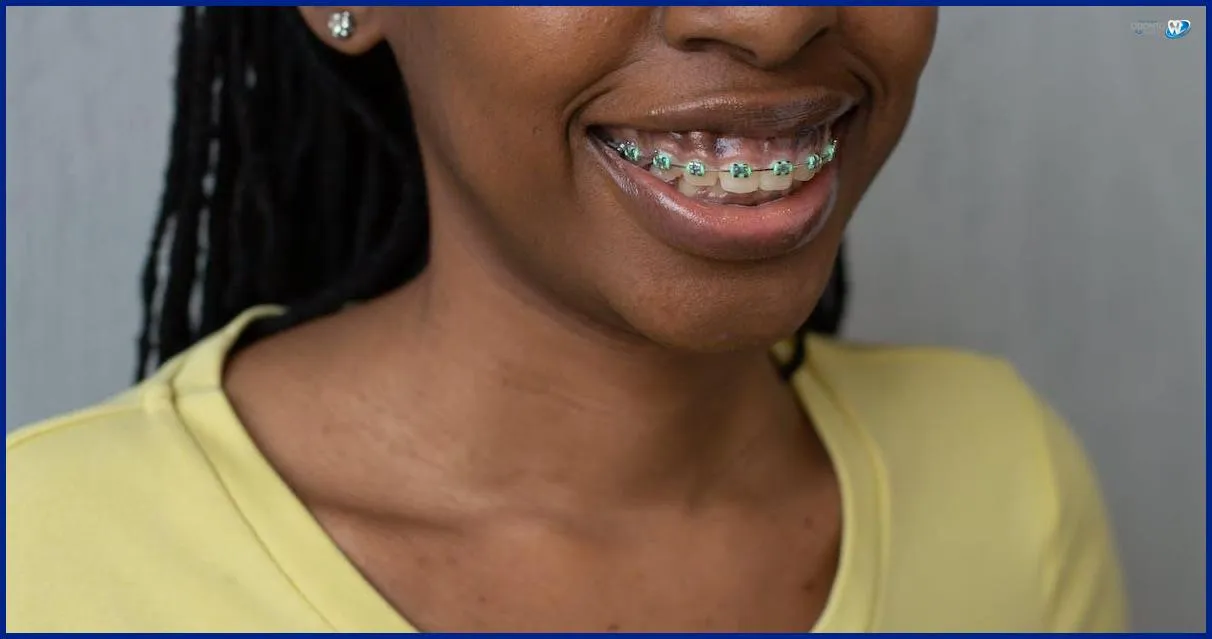
Consequences of bad hygiene with braces
Poor oral hygiene during orthodontic treatment with braces can have several negative consequences for oral health. Some of these consequences include:
1. Dental caries: The accumulation of bacterial plaque around the braces can increase the risk of developing cavities, especially in hard-to-reach areas for the toothbrush.
2. Gum inflammation: The presence of bacterial plaque around the braces can cause inflammation of the gums, which can manifest as redness, swelling, and bleeding.
3. Bad breath: The accumulation of food and bacteria remains around the brackets can cause bad breath.
4. Dental decalcification: The lack of adequate oral hygiene can lead to the decalcification of tooth enamel around the brackets, which manifests as permanent white spots on the teeth.
It is essential to maintain good oral hygiene during orthodontic treatment with braces to prevent these complications. This includes brushing your teeth properly after each meal, using dental floss to clean the spaces between teeth and braces, and making regular visits to the dentist for professional cleaning. In addition, it is recommended to avoid sticky foods that can get stuck in the braces and compromise oral hygiene.
Tips for correct cleaning with brackets
Proper oral hygiene is essential during orthodontic treatment with braces to avoid problems such as cavities, bad breath and gingivitis. Here are some tips for correct cleaning:
How to brush your teeth with braces
With braces, it is important to make circular and sweeping movements in each tooth piece, making sure to clean all parts of the orthodontic system, including braces, bow and rubbers. To do this, you can use different types of toothbrushes.
It is recommended to choose a brush with soft and soft filaments, which allows you to clean effectively around the brackets. You can also opt for a V-shaped brush, specially designed to clean the surfaces of the brackets. Another option is to use an electric brush with small rotary head, which facilitates access to all parts of the mouth.
In addition to brushing, it is advisable to use dental floss to remove food remains and bacterial plaque between teeth and brackets. The thread is passed between the top of the tooth and the arch of the apparatus, making smooth saw movements.
Proper use of floss and mouthwash
For proper oral hygiene with braces, it is important to use dental floss and mouthwash properly. Floss helps remove bacterial plaque and food remains that accumulate between teeth and braces.
You can use normal floss or a special type called “superfloss”, which has a rigid tip that facilitates cleaning in hard-to-reach areas. The important thing is to pass it gently between the teeth and the bow of the apparatus, following saw movements.
In addition to floss, it is advisable to rinse mouth after brushing. You can use a specific mouthwash for people with braces, which can help prevent inflammation of the gums and protect tooth enamel.
Remember that good oral hygiene with braces requires dedication and effort, but it is essential to maintain a healthy mouth during your orthodontic treatment. Follow these tips and consult with your dentist to make sure you are doing proper cleaning.
Feeding and oral care during treatment
Foods to be avoided with brackets
When wearing braces, it is important to keep in mind which foods to avoid to prevent damage to appliances and maintain good oral hygiene. Some foods you should avoid are:
1. Hard and crispy foods: Avoid foods such as nuts, hard candy, popcorn and similar foods, as they can damage braces and wires.
2. Sticky foods: Avoid foods such as sticky candy, gum and chewing gum, as they can get stuck in the braces and be difficult to remove.
3. Chewable foods: Avoid foods such as gum or very hard meat, as they can take off the braces or bend the wires.
4. Food difficult to bite: Avoid foods such as whole apples or raw carrots, as they can be difficult to bite and can cause damage to braces and wires if you make too much effort.
Recommendations for a healthy and bracket-compatible diet
Although you should avoid certain foods with braces, you can still enjoy a healthy and balanced diet. Here are some recommendations:
1. Eat soft foods: Opt for soft foods such as mashed potatoes, yogurt, eggs, fish and soft fruits. These foods are easy to chew and do not put too much pressure on braces and wires.
2. Choose soft foods and cut into small pieces: If you want to eat harder foods like crispy fruits or vegetables, cut them into small pieces to facilitate chewing.
3. Drink plenty of water: Water is essential to maintain good oral health. Drinking enough water will help remove food remains and keep your mouth clean.
4. Maintain good oral hygiene: Make sure you brush your teeth after each meal to remove any other food that can get stuck in your braces. It is also important to use dental floss and mouthwash for more complete cleaning.
5. Avoid high-sugar foods: High-sugar foods and drinks can increase the risk of tooth decay. Try to limit your consumption of sweets, sugary soft drinks, and processed foods.
6. Check with your dentist: If you have any questions about which foods to eat with braces, do not hesitate to consult your orthodontist or dentist. They will give you personalized advice and advice according to your needs.
Remember that following a healthy diet and maintaining good oral hygiene is essential during orthodontic treatment with braces. This will help you get successful results and keep a clean and healthy smile.
Regular visits to the dentist during orthodontic treatment
The importance of dental checks during the use of braces
During orthodontic treatment with braces, regular visits to the dentist are essential. These visits allow the orthodontist monitor treatment progress and make the necessary adjustments. In addition, the dentist may evaluate the oral health of the patient and provide specific recommendations to maintain good oral hygiene during the use of braces.
During regular visits, the dentist will perform a thorough review of brackets, wires and rubbers to make sure they are in good condition and working properly. evaluate the alignment of the teeth and adjustments will be made to achieve the desired results.
In addition to checking the condition of the braces, the dentist will perform a professional cleaning to remove the bacterial plaque and tartar accumulated around the braces and on the other teeth. This cleaning is especially important due to the difficulty in properly cleaning the teeth with braces.
During the visit, the dentist may also provide specific instructions on how to maintain good oral hygiene at home. This may include recommendations on proper brushing, flossing and mouthwashingas well as advice on the feeding and caring for brackets.
Additional treatments to maintain good oral hygiene with braces
In addition to regular dental visits, there are other treatments and techniques that can help maintain good oral hygiene during the use of braces.
One option is the use of Interdental brushes, which are specially designed to clean spaces between teeth and brackets. These brushes are useful for remove bacterial plaque and food remains which accumulate in areas difficult to reach.
Another additional treatment is the use of mouthwash specific for patients with bracesThese rinses can help prevent inflammation of the gums and protect tooth enamelIn addition, some rinses contain fluoride, which contributes to the prevention of caries.
We must not forget the importance of follow a balanced diet and avoid sticky, sugary foods that can get stuck in the braces and increase the risk of tooth decay.
Regular visits to the dentist are essential during orthodontic treatment with bracesIn addition to making adjustments and evaluating treatment progress, the dentist provides specific recommendations for maintaining good oral hygiene. The use of specific interdental brushes and mouthwash, along with a healthy diet, also contribute to optimal oral hygiene during the use of braces.
By following these tips and maintaining good oral hygiene, you can enjoy a cool mouth free of bad breath while using braces. Remember that each case is unique, so it is important to consult with your dentist for personalized attention.
General oral health information. Your dentist’s assessment is needed to tailor any recommendation to your individual circumstances.
Keep reading the blog