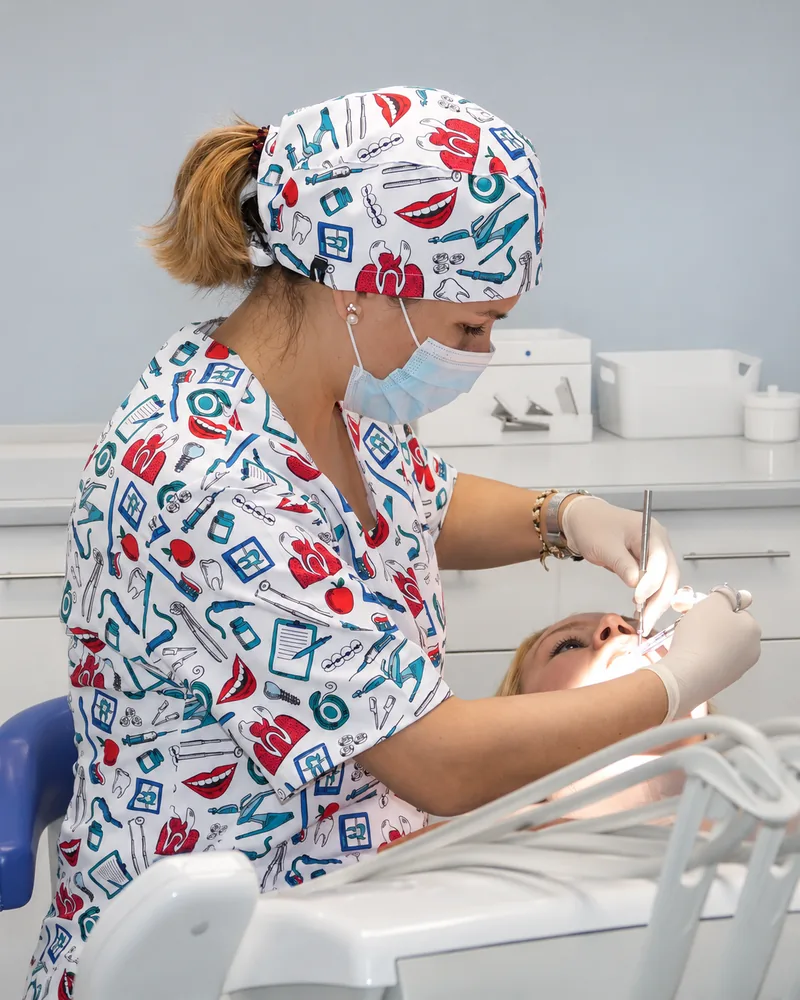
Everyday care for healthy teeth and gums

The daily care of our teeth is essential to maintain good oral health and prevent dental problems in the future. We often underestimate the importance of correct oral hygiene and do not give it the attention it requires. However, it is crucial to understand that our teeth not only fulfill an aesthetic function, but are also key to our health in general. Through this article, I want to transmit accurate and relevant information so that they understand the importance of daily care of their teeth and become owners of a radiant and healthy smile.
Why is it important to take care of your teeth?
The relationship between oral health and general health
Maintaining good oral health is of vital importance, as there is a close relationship between oral health and general health. Healthy teeth and gums not only allow us to eat and speak properly, but also have a significant impact on our self-esteem and emotional well-being.
When we neglect our teeth and do not provide them with proper care, a number of oral health problems may arise. Tooth decay, gum disease, and tooth loss are just some of the consequences of poor oral hygiene. These problems not only cause pain and discomfort, but can also affect our ability to eat and speak properly.
In addition, poor oral health can have an impact on our overall health. It has been shown that gum diseases are related to more serious health problems, such as heart disease, diabetes, respiratory disease and even premature delivery. Mouth is a reflection of our overall health status, so caring for our teeth and gums is essential to keep us healthy.

Risks of not properly caring for your teeth
If we do not properly take care of our teeth and gums, we run the risk of developing a series of oral problems. Tooth decay is one of the most common diseases, and it occurs when the acids produced by the plaque damage the tooth enamel. In addition to causing pain and sensitivity, cavities can permanently damage the teeth and require costly and invasive treatments.
Gum disease is another common consequence of not properly caring for our teeth. The accumulation of dental plaque in the gums can lead to inflammation and bleeding of the gums, known as gingivitis. If not treated, gingivitis can progress to a more serious disease called periodontitis, which can affect the tissues and bones that sustain the teeth, causing pain and even dental loss.
In addition to tooth decay and gum disease, poor oral health can also cause persistent bad breath, stains on the teeth, difficulty chewing and speaking correctly, and self-esteem problems. Caring for our teeth and gums is essential to maintain good oral and general health. Through proper daily oral hygiene, regular visits to the dentist and avoiding harmful habits such as smoking and excessive sugar consumption, we can prevent the appearance of oral problems and preserve our health in general.
Tips for daily care of your teeth
Keep a good one oral health is vital for a radiant smile and strong teeth. To achieve this, it is important to follow a routine of adequate daily care and adopt Healthy habitsHere's a few. Key Councils :
Proper and frequent brushing
The Regular and suitable brushing is key to maintaining a good dental health and to prevent problems such as cavities and the gum disease. It is recommended to brush your teeth at least twice daily, preferably after each meal. Brushing should last at least two or three minutes and should be performed with circular movements in the area of the molars and top down In addition, it is important to use a soft bristles brush and a fluorine toothpaste to strengthen the tooth enamel.
Importance of dental floss use
Brushing alone is not enough to completely eliminate the remains of food and the dental plaque which accumulate between the teeth and along the gum line. Therefore, the use of dental floss is essential. It is recommended to use dental thread or silk daily to clean the spaces between the teeth, which represent the 40% of dental surface. Can also be used dental irrigators or other similar products for more complete cleaning.
Proper choice of toothpaste and mouthwash
Use a fluorine toothpaste is essential to prevent tooth decayFluorine helps to strengthen tooth enamel and protect it from acids produced by dental plaque bacteria. In addition, it is important to choose a adequate mouthwash to your oral needs, as recommended by your dentist. Oral rinses can help fight the bacterial plaque, refresh your breath, and prevent gum disease.
The daily care of your teeth is fundamental to a good oral health. Follow these tips and visit your dentist regularly to maintain a healthy and beautiful smile.
The importance of good nutrition for oral health
A good diet is essential to maintain good oral health. The foods we consume can have a significant impact on the health of our teeth and gums. It is important to keep in mind that a balanced and nutrient-rich diet can help keep our teeth strong and healthy.
There are some foods and drinks that we must avoid, as they can be harmful to our oral health. sugars and processed foods may increase the risk of tooth decay. In addition, the carbonated and sugary beverages can erode tooth enamel and weaken teeth over time. Therefore, it is important limit the consumption of these foods and opt for healthier options.
Food and drinks you must avoid to keep your teeth healthy
- Processed sugars and foods:
sugars feed bacteria present in the mouth, which increases the risk of developing tooth decay. - Carbonated and sugary beverages:
regular consumption of these beverages can erode tooth enamel and weaken teeth. - Sticky foods:
These foods can stick to your teeth and favor the growth of bacteria. - Acidic foods:
foods with high acid content can wear out tooth enamel.
Food and nutrients that promote good oral health
On the other hand, there are foods and nutrients that promote good oral health. Eating a diet rich in these foods can help keep our teeth and gums healthy. Examples include:
- Fruits and vegetables: eating foods such as apples, carrots and celery can help clean teeth and stimulate saliva production, which helps neutralize acids and protect teeth from cavities.
- Dairy: dairy products, such as yogurt and cheese, are rich in calcium, which strengthens teeth and helps prevent tooth decay.
- Fish and food rich in omega-3: omega-3 fatty acids help reduce inflammation of gums and promote oral health.
Maintaining a good diet is key to good oral health. Avoid excessive consumption of harmful sugars and foods, and opt for a balanced and nutrient-rich dietIt can help us keep our teeth and gums healthy. Remember that a good oral hygieneincluding regular brushing and flossing, is also essential for good oral health.
The importance of regular visits to the dentist
Regular dental treatment is essential to maintain good oral health and prevent long-term dental problems.
One of the main reasons for scheduling regular visits to the dentist is early detection of any dental problems. Often, oral diseases do not present obvious initial symptoms, so it is necessary for a professional to examine our mouth and perform the necessary tests to identify any problems in their early stages.
Another important reason to visit the dentist regularly is to receive professional cleaning. Despite our best efforts, there are always traces of food and plaque in our teeth, even after brushing and flossing. Professional cleaning will eliminate any accumulation of plaque and calculus, helping prevent tooth decay and gum disease.
In addition, the dentist can provide us with personalized tips and recommendations to improve our daily oral care routine. It will tell us the right way to brush our teeth, inform us about dental products suitable for our specific needs and respond to any questions or concerns we have about our dental health.

Benefits of periodic dental checks
Regular dental checks not only help us prevent oral problems, but also provide a number of additional benefits.
First, regular dental exams allow us to detect and treat problems at first before they become more serious and costly to correct. This means that we can avoid more invasive and costly dental treatments in the future.
Second, regular visits to the dentist are important to keep our tooth enamel strong and healthy. The dentist can evaluate the quality of our enamel and give us recommendations to strengthen it and prevent cavities.
Last but not least, going to the dentist regularly helps us maintain a bright and healthy smile. Aesthetic treatments, such as professional dental cleaning and tooth whitening, can improve the appearance of our teeth, which in turn improves our confidence and self-esteem.
Prevention and early detection of oral problems
Prevention and early detection of oral problems are essential to maintain good oral health throughout our lives.
Brushing your teeth and using floss regularly are the first lines of defense against tooth decay and gum disease. These practices help to eliminate the remains of food and dental plaque that accumulate in our teeth, preventing harmful bacteria from growing and causing oral problems.
Another important aspect of prevention and early detection is regular visits to the dentist. When scheduling regular visits, the dentist will be able to evaluate our oral health, identify early signs of disease, and provide the best treatment recommendations.
Regular visits to the dentist, along with good daily oral hygiene, allow us to prevent dental problems, detect any early problems and maintain a healthy and beautiful smile throughout our lives.
Frequently asked questions about maintaining good oral health
What is oral health care?
The oral health care refers to the set of measures and practices that we must carry out to keep our mouth healthy and prevent oral diseases.
The oral health It is fundamental to our general well-being, as poor oral hygiene can have consequences not only in our mouth, but also in our body.
To take care of our oral health, it is important to carry out a series of daily habits, such as brushing the teeth at least twice a day, using a suitable toothbrush and a fluorine toothpaste. In addition, it is also necessary to use dental floss to clean interdental spaces and avoid accumulation of bacterial plaque.
In addition to good oral hygiene, it is important to have a healthy eating avoid excessive consumption of sugars and processed foods, as these can contribute to the formation of caries and periodontal diseases.
Another fundamental aspect in the care of oral health periodic visits to the dentist. These reviews allow for early detection and treatment of possible oral problems, such as cavities, gum diseases or malocclusions. Professional cleaning can also be done to eliminate accumulated bacterial plaque and tartar.
Care of the oral health involves a series of daily habits, a proper diet and regular visit to dentist. Following these guidelines, we will be able to keep our mouth healthy and prevent oral diseases.
It is vitally important to properly care for our teeth in order to maintain good oral health and also to preserve our general health. Failure to properly care for them can lead to various risks and problems. For this, it is necessary to follow some recommendations such as performing a proper and frequent brushing, using dental floss, choosing quality dental products, leading a healthy diet and regularly going to dental checks.
General oral health information. Your dentist’s assessment is needed to tailor any recommendation to your individual circumstances.
Keep reading the blog