What is edentulism?
Edentulism is the term used to describe the absence of natural teeth in the mouth. Tooth loss may be due to a variety of factors, such as poor oral hygiene or disease. In some cases, it may also be due to an accident or trauma. Edentulism treatments vary depending on the severity of the condition, but may include bridges, dental prostheses, implants, etc. Prevention of tooth loss is usually the best option, and this usually involves good oral hygiene and regular visits to the dentist. With the appropriate preventive measures and treatments, edentulism can be prevented or controlled. Edentulism may be due to various factors, such as poor oral hygiene or disease. In some cases, it may also be due to an accident or trauma. With edentulism, the person may need to wear dentures or implants. A complete denture is a dental device that replaces all teeth in the upper or lower jaw. Partial dentures replace some missing teeth.
Causes of Edentulism

There are many reasons why an individual may experience tooth loss. Lack of oral hygiene is one of the main causes of tooth loss. If proper dental care is not done and the dentist is not regularly taken, bacteria can build up and cause damage to teeth and gums. Poor oral hygiene can also cause infections affecting the jaw or other nearby areas. Other general causes of tooth loss are age, genetics, or diseases.Genetic disorders such as cystic fibrosis, Down syndrome, and Turner syndrome can cause tooth loss at an early age. Diseases such as periodontal disease and certain autoimmune disorders can also cause tooth loss.
Prevention of Edentulism
Regular visits to the dentist and cleaning can help prevent tooth loss and dental diseases that could lead to edentialism. As preventive measures, people can also improve their oral hygiene habits and diet.
- Follow a balanced and healthy diet: A diet low in sugar and carbohydrates can help prevent tooth decay and promote healthy teeth and gums.
- Use dental floss and brush your teeth regularly: Brushing your teeth twice a day and flossing once a day can help remove plaque and bacteria from your teeth and gums.
- Visit the dentist for regular cleaning: A professional cleaning can help remove bacteria and plaque from teeth and gums.
- Avoid smoking: Completely avoid tobacco and tobacco for optimal oral health.
- Avoid excessive heat and cold: Excessive heat, cold, and dry environments can damage teeth and gums.
Diagnosis and treatment of edentulism
If a patient suffers loss of a tooth, the dentist A full oral exam will be done to identify the remaining teeth and gum condition. At the same time, the dentist will try to identify the cause of tooth loss. The dentist may also try to identify whether gum disease, such as periodontal disease, is the cause of tooth loss. In some cases, the dentist may recommend periodontal treatment such as scratching and root straightening to help control the disease. The dentist may also recommend a dental implant to replace lost teeth and restore the patient's smile. To determine the best treatment and determine the severity of the condition, the dentist will take X-rays to see the condition and position of the jaw. At the same time, the dentist may try to identify any remaining tooth and gum condition.
Types of Edentulism Treatments
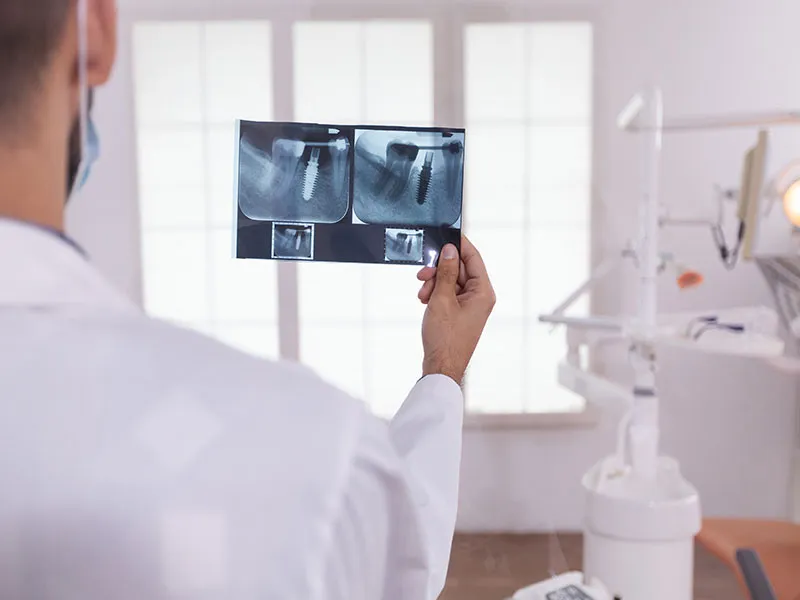
Depending on the severity of the condition, there are a variety of treatment options available. Some of the treatments available for edentulism include bridges, dentures and implants.
- Bridges: Bridges are an option for patients with single tooth loss. With this treatment, the dentist will place a false tooth on either side of the remaining teeth to restore appearance.
- Dentures: A removable partial denture is a removable dental device that replaces some teeth from the lower jaw. An upper denture replaces some teeth from the upper jaw.
- Implants: The placement of an implant is the best solution for edentulism as it transfers the load from the remaining teeth to the implant.
Pros and cons of the treatments for Edentulism
- Bridges: This treatment is generally suitable for patients with dental disorders. Treatment has the advantage of being less expensive than dentures. The disadvantage is that bridges can have shorter service life than dentures.
- Dentures: It is a common option for dental patients. There are removable partial dentures and full dentures. The advantage of dentures is that they can be removed and cleaned. The disadvantage is that they do not seem as natural as other alternatives.
- Implants: This is perhaps the best treatment for dental patients. The advantage of implants is that they are durable. The disadvantage is that implants are more expensive than other treatments like dentures.
Cost of Edentulism Treatments
- Bridge: This treatment is usually less expensive than dentures. The cost of bridges can vary depending on the type of bridge and the materials used.
- Dentures: It is the most popular treatment for dental patients. Its cost may vary depending on the type of teeth.
Risks of Edentulism Treatments
- Bridge: This treatment is generally safe for patients. The only risk is that the tooth does not fit properly and causes irritation in the mouth.
- Dentures: The main risk of dentures is that they do not fit properly. This can cause irritation in the mouth and eating problems.
- Implants: The main risk of implants is that they can cause jaw infections.
Tips for Preventing Edentulism
- Take a healthy and balanced diet.
- Drink plenty of water.
- Brush your teeth twice a day.
- Use floss once a day.
- Visit the dentist for regular cleaning.
- Avoid smoking.
- Avoid excessive cold and heat.
Edentulism is the absence of natural teeth in the mouth. There are many reasons why an individual may experience tooth loss. Good oral hygiene and a good diet can help prevent tooth loss. There are many treatment options for edentulism and the best treatment will depend on the patient. With the right preventive measures and treatments, edentulism can be prevented or controlled.
General oral health information. Your dentist’s assessment is needed to tailor any recommendation to your individual circumstances.
Keep reading the blog