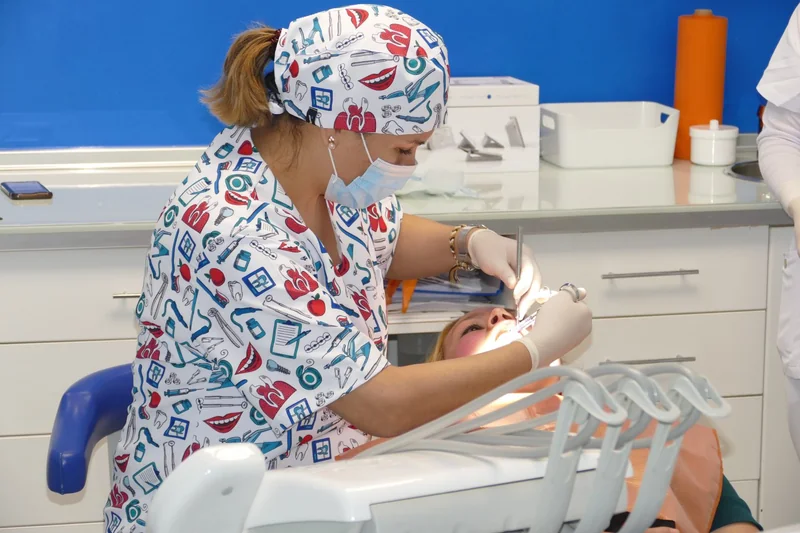
What does a gum graft involve?
A gum graft is an important dental procedure that can help strengthen and protect teeth and gums. It consists of taking a small piece of tissue from the palate and grafting it into the gums. This procedure can help reduce the risk of gum recession and associated health risks. If you are thinking about getting a gum graft, it is important that you know the process and know what to expect. In this article, we will discuss everything you need to know about gum grafts: how they work and what to expect before, during and after the procedure. We will also discuss the potential risks and benefits of gum grafts and the recovery period. At the end of this article, you will have a better understanding of gum grafts and how they can help improve your oral health.
What is a gingival graft?

A gingival graft is a procedure in which a sample of healthy gingival tissue is removed from one area of the mouth and transplanted to another in which there is disease or bleeding of the gums. The procedure is often used to treat gum retraction, in which the gum line moves away from the teeth, leaving them exposed. By removing a small amount of gingival tissue from the palate and replacing it with healthy gingival tissue extracted from another area, the gums can move forward, covering the teeth. Gum grafts can also be used to treat gum diseases and improve the chewing surface. Gingival grafts can also be called gum graft, gum augmentation, gum elevation or grafting..
What is a gingival graft for?
A gingival graft is used to treat diseases of gums, retracted gums and weak or broken teeth. It can also be used to improve chewing surfaces. Gum disease is one of the main causes of gum shrinkage and can also cause tooth loss.. Gum disease is caused by plaque, a sticky film that forms in the teeth. When this plaque goes unnoticed, it can harden and become tartar and cause the proliferation of bacteria. Bacteria released by this tartar can irritate the gums and destroy the tissue that holds the teeth. Gum disease can be prevented by daily practices of oral hygiene, such as brushing and the use of dental floss. If gum disease is already a problem, it can be treated with medication and eliminating plaque and bacteria with an irrigation device called a scraper. Gum disease can also cause gum retraction. This occurs when bacteria released by gum disease destroy the gingival tissue, causing the gum line to separate from the teeth, leaving them exposed. Gum grafting can be used to treat gum disease and prevent subsequent dental problems.
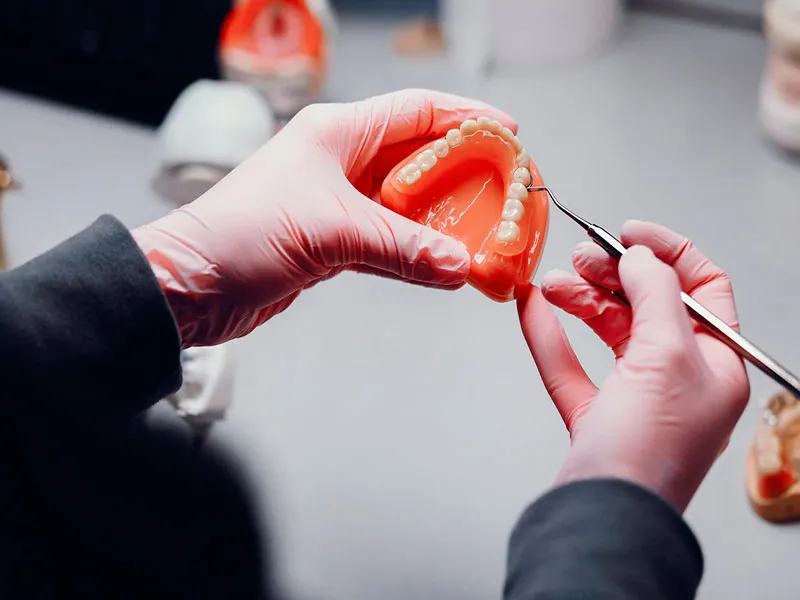
What are the different types of gingival grafts?
There are several types of gingival grafts. dentist you may recommend a specific type based on your oral health and the area of the mouth you need to treat.
- A coiled flap graft is used when gum disease is limited to the area below the gum line. This type of graft uses a sample of healthy tissue from the palate and rolls it into a tube that is inserted into the area below the gum line.
- The graft with free donor tissue is usually used when gum disease has spread above the gum line and to the roots of the teeth. This type of graft uses tissue taken from the palate and is sutured in the affected area.
What are the advantages of a gingival graft?
A gingival graft is used to treat gum disease and prevent subsequent dental problems. It can also be used to improve chewing surfaces. A gingival graft can improve your oral health as follows:
- Teeth strengthening: Gum disease can lead to loss of teeth, retracted gums, and more gum disease. A gum graft can strengthen the teeth and prevent these problems from occurring.
- Prevention of gum bags: A gum graft can reduce the risk of gum bags, which are areas of low gingival tissue around the teeth. If not treated, gum bags can cause other dental problems, such as loose teeth and cavities.
- Prevention of infections: Gum diseases can cause infections in the mouth, including periodontal bags. Gum grafts can help prevent infections and other dental problems.
- Improve the chewing surface: The gum graft can be used to improve chewing surfaces. If your teeth have been exposed due to gum disease, a gum graft can be used to cover them and improve your ability to chew.
- Prevention of more dental problems: Gum disease can cause dental problems such as loose teeth, cavities, and tooth loss. A gum graft can prevent these problems.
What are the risks of a gingival graft?
A gingival graft is a minor procedure that does not usually carry many risks. However, all surgeries carry some risk. Possible risks include:
- Infection: Any surgery carries the risk of infection. To help prevent infection, you should follow your instructions. dentist after the surgery.
- Swelling: You may experience some swelling after surgery. You may be relieved by taking ibuprofen and applying ice to the gums.
- Pain: You may feel pain and discomfort after surgery. To relieve pain, you may take over-the-counter painkillers.
What is the procedure for a gingival graft?
This procedure can be done in a dental office under local or general anesthesia. It is important to discuss what type of anesthesia is best for you before the procedure. Your dentist will ask you to sit on a chair, bite a piece of gauze and place your head on a stand. A scalpel is then used to remove a small amount of gingival tissue from the palate. The gingival tissue is sutured in the area under the gum line to lift and cover the teeth. The procedure may last between 30 minutes and two hours, depending on the degree of gum disease and the area of the mouth to be treated. After surgery, your dentist will give you the appropriate postoperative instructions. You must follow these instructions to ensure a smooth recovery.
What should you expect before, during and after a gingival graft?
- Before the intervention: Before the procedure, you may be asked to avoid certain foods and drinks. This is because you will have a gauze bandage in your mouth and you will not be able to eat properly. Foods and drinks that are usually avoided include soft drinks, hard, crispy foods and acidic foods, such as oranges and lemon. You should also avoid smoking and consuming tobacco products before and after the surgery. Smoking can reduce blood flow to gums and lengthen the healing process.
- During the intervention: During the surgery, you will be asked to sit on a chair and place your head on a stand. You will also be asked to bite a gauze. This is to prevent it from moving while the surgery is done. You should also be prepared to have blood around your mouth after the surgery, as well as some swelling and discomfort. These are normal reactions to the surgery.
- After the intervention: After surgery, you will likely be prescribed antibiotics. This is to prevent infection and help heal your gums. You should also be prepared for some pain and swelling, which can be eased by over-the-counter painkillers and ice. You will likely wear a gauze bandage in your mouth to help heal your gums and protect the operated area.
What is the recovery period after a gingival graft?
The recovery period after a gum graft varies from person to person, depending on various factors, such as the severity of gum disease and the type of graft procedure performed. You may experience some swelling, mild pain and discomfort in the area where the graft was performed. These side effects can be controlled with over-the-counter analgesics. The healing process can last between 2 and 6 weeks, depending on the severity of gum disease. During the healing process, your dentist will recommend that you take good care of the graft area, follow a healthy diet, and avoid activities that may exert excessive pressure on the gums.. After some time, the dentist will examine the graft area to determine if the surgery has been successful. If the graft has been successful, it will have grown in the surrounding tissue and will have a pink color. If the graft does not look pink and healthy, the following operations will be necessary.
General oral health information. Your dentist’s assessment is needed to tailor any recommendation to your individual circumstances.