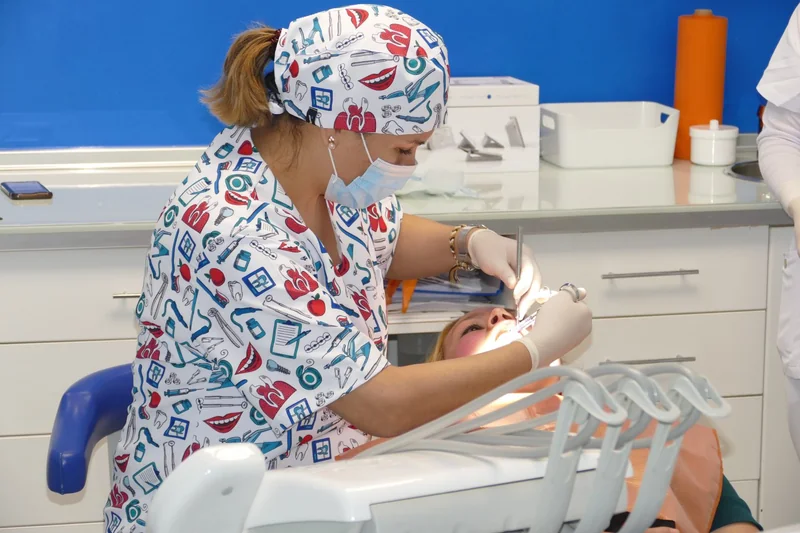
A swollen palate: causes, symptoms and treatment
The palate is the roof of the mouth. It consists of two parts: the hard bone palate and the fleshy soft palate. The hard palate is the anterior part of the palate. It is formed of bone and is covered by a mucous membrane. The soft palate is the back of the palate. It is formed of muscle and is covered by a mucous membrane. The palate separates the mouth from the nose. When the palate is swollen, it can be painful and difficult to breathe. The inflammation of the palate may be caused by an infection, injury or allergy. Treatment depends on the cause of swelling. In this article, we will talk about the causes, symptoms and treatment of swelling of the palate.

Causes of inflammation of the palate
– Medications. Antibiotics, anti-inflammatory drugs, and chemotherapy can cause swelling of the palate.
– Allergy. Allergens, such as food, insects and plants, can cause inflammation of the palate.
– Viral infection. Virus infections such as the common cold, flu, herpes, and mumps can cause swelling of the palate.
– Bacterial infection. Infections caused by bacteria such as strep, staphylococcus, gonorrhea, and diphtheria can cause swelling of the palate.
– Foreign bodies, such as food, dentures, toothbrush bristles and dental prostheses stuck in the gums, can cause swelling of the palate.
– Traumatisms. Injuries to the palate caused by a fall or blow can cause swelling.
– Immune disorders. Diseases such as rheumatoid arthritis, sarcoidosis and scleroderma can cause swelling of the palate.
Symptoms of inflammation of the palate
– Swelling of the soft palate
– In most cases, swelling is limited to the soft palate. Symptoms include difficulty swallowing, pain, and difficulty breathing. Swelling can cause an infection of the palate.
– In less common cases, the palate swells in both the hard and soft parts. Symptoms include difficulty swallowing and pain.
– In inflammation of the palate, symptoms such as recurrent pain, bleeding and swelling are common.
– Inflammation of the palate may result in lymph nodes forming in the neck.
Treatment of inflammation of the palate
– For soft palate swelling, the doctor may prescribe antibiotics and anti-inflammatory drugs. Drugs such as corticosteroids are usually used in the treatment of swelling.
– For inflammation of the hard palate, the doctor may recommend an incision and drainage. An incision is made in the palate and a drainage is made.
– For recurrent swelling of the palate, a surgical procedure known as tonsillectomy is performed. In this procedure, tonsils are removed to prevent recurrent inflammation of the palate.
– In case of inflammation of the lymph nodes in the neck, the doctor may prescribe antibiotics.
– For an allergic reaction, the doctor may prescribe antihistamines.
– In the case of a viral infection, the doctor may prescribe rest and fluids.
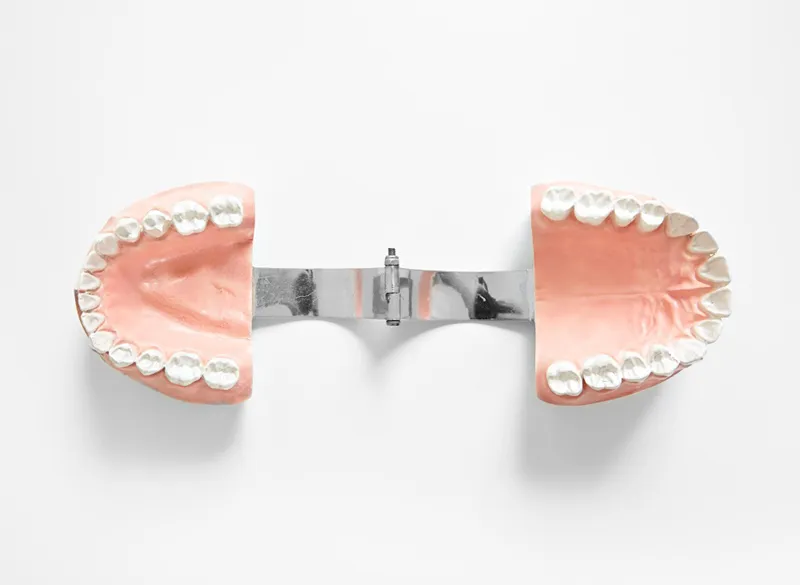
Treats inflammation of the palate in ODONTOFAMILY
Inflammation of the palate is a condition in which the palate swells for several reasons. Swelling of the palate may be caused by an infection, injury, or allergy. Treatment depends on the cause of inflammation. A doctor may diagnose inflammation of the palate and suggest appropriate treatment. If you experience any of these symptoms, be sure to see a doctor. The sooner you diagnose and treat the problem, the less likely you will be to become a persistent problem and cause damage to surrounding tissues.
General oral health information. Your dentist’s assessment is needed to tailor any recommendation to your individual circumstances.