Bleeding gums: causes and treatments
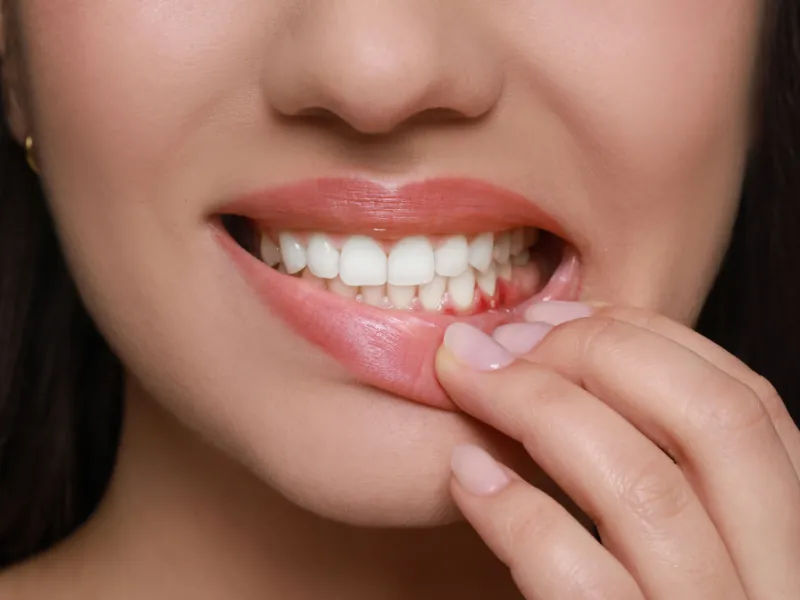
Another of the most common health problems with oral health. Bleeding gums means that we must pay attention to the first symptoms, so that our dental well-being is not seriously affected. It is one of the signs that your mouth is not healthy.
Bleeding gums can cause us uncomfortable symptoms such as hot or cold sensitivity, dental mobility and infections and as a more devastating result for our mouth, the loss of parts.
A large part of the elderly population that goes to the dentist is diagnosed with periodontal disease. It can be a simple gingivitis or severe periodontitis, and both have the same symptom of bleeding gums.
So, to learn more about bleeding gums, you should read all our material. At ODONTOFAMILY our goal is to offer professional information through conservative dental concepts, so you can continue to enjoy a mouth and smile carefully, elegant and healthy.
What are bleeding gums?
Gum bleeding is a very common symptom of periodontal disease (in the gums). Generally, in its early states it manifests as a gingivitis and in other cases as a periodontitis.
Periodontitis is often the cause of dental loss in adults over 30 years of age. Many patients have not had a balanced diet and tend to be fragile in the face of this disease. Treatments with certain drugs, such as immunosuppressed drugs, corticosteroids and more, are also linked.
If there is pain and bleeding of gums spontaneously, it may be due to periodontitis where bacteria have proliferated the deepest part of gingival pulp. Unfortunately, this condition affects more than 90% of the world’s population at some point in their lives.
Diseases that cause bleeding of gums
Why are gums bleeding?
To answer why gums bleed, we have a lot of aspects that can affect the presence of gum pain and bleeding. The causes of gum bleeding can be different.
It is usually related to conditions in the mouth cavity. These infectious pathologies occur as a result of oral bacteria that are not properly removed from the mouth.
In addition, it is one of the most frequent questions of patients who come to our consultations in ODONTOFAMILY. From now on we inform you: healthy gums do not bleed. So at this point we offer you some causes of gingival bleeding.
Lack of vitamins C and K
Vitamin k is liposoluble, which means that it is soluble in fats and other organic nonpolar solvents such as carbon tetrachloride and benzene. But its main function is to favor coagulation, because without its action the blood would not clot. Some studies suggest that it favors older people to keep their bones strong.
Therefore, the lack of vitamin k in our body causes bleeding that occurs in various parts of the body as in our gum. This is because they do not reach the nutrients necessary for such coagulation. For this reason, it is important to know that many fruits are rich in vitamin k as they are: kiwi, plums, pear, among others.
Hormone changes
This is because hormones in the specific periods of the menstrual cycle are moderately increased. This causes the blood to flow more strongly into areas such as gums.
These hormonal changes can cause your swollen and bleeding gums to have much more sensitive reactions against bacteria and oral plaque. Therefore, being in those days, you may have swelling or even bleeding.
Also in the state of menopause, women tend to manifest various hormonal variations. At this stage they may manifest various oral symptoms, such as dryness, burning, sensitivity.
Treatments based on anticoagulants
In some cases, to treat certain diseases, we must resort to medicines that help maintain a greater flow of blood. This is the case with anticoagulants, they are medicines that help control or prevent certain diseases such as cardiac arrhythmia.
The efficacy of these treatments, which in almost every case save lives, is not criticized. What we highlight at this point are the side effects, since anticoagulants can favor an increase in bleeding. One effect of this increase in bleeding is that, if dental treatment is done, it will take longer to heal or stop bleeding.
So, if you need to perform a dental procedure, you should consult your dental specialist. Tell if you have started taking anticoagulant treatments or platelet inhibitors. It is good that your dentist communicates with the cardiologist or specific specialist for the determination of a correct treatment if needed.
Hemorrhage disorders
It is one of the causes of gum bleeding and is most often seen after a normal brushing or flossing. In this case, it is very easy to hurt the gum, and not only that, various parts of the body. It can even bleed for no apparent reason.
Among the most common factors of this type of disorder, especially in gum bleeding, we can mention:
- Moderate to severe platelet deficiency.
- Treatment based on anticoagulants or antiplatelet agents.
- Liver-type disease.
Some kind of cancer like leukemia
It's not that leukemia causes gumbleed disease. It's that this disease may be the sign of something worse in your body, such as myeloblastic acute leukemia.
Even, based on some studies, these cancers can manifest in any body through oral conditions: hypercolored gums, their fluffy consistency, blood, halitosis, and more.
Scurvy
Another cause of nutritional deficiencies is the so-called scurvy or periungual bleeding. If your gums bleed present a deficiency of vitamin C, in the amounts considered organically desirable. In this case this deficiency will begin to manifest by bleeding in hair follicles.
This disease as a cause of gum bleeding is quite rare. However, it can occur mainly in infants between 2 and 12 months fed only with bottle or lower branded milk. Recognized brands of good dairy formulas include vitamin C for prevention.
Idiopathic thrombocytopenic purpura
A condition that requires multidisciplinary management. This disorder is characterized by few platelets in the blood. In this case, platelets are taken as an infection and are destroyed by the immune system. This disease, as suggested by its (idiopathic) name, has no known causes.
ITP is characterized by facilitating gum bleeding, blood loss, or the formation of bruising easily, even without apparent cause. People with thrombocytopenia should take special care when performing dental treatment, especially after exodontics.
Prevention of gum blood
To have perfect oral health, prevention begins at home. Therefore, we will give you these tips so that you can avoid suffering from swollen and bleeding gums:
- You should do a correct brushing at least 2 to 3 times a day, or better after each meal. This will prevent traces of food or drink from remaining on the internal oral surface (tooths and gums).
- Do not rush the brushing. This process should take at least 2 minutes.
- Appointments with the dentist should not be flexible. You should make them at least 2 times a year to support your dental hygiene.
- Avoid some vices like smoking.
- Maximize dental hygiene with implements that will act as a complement to the brush. Such is the case of floss and rinse. You can also use irrigating brushes.
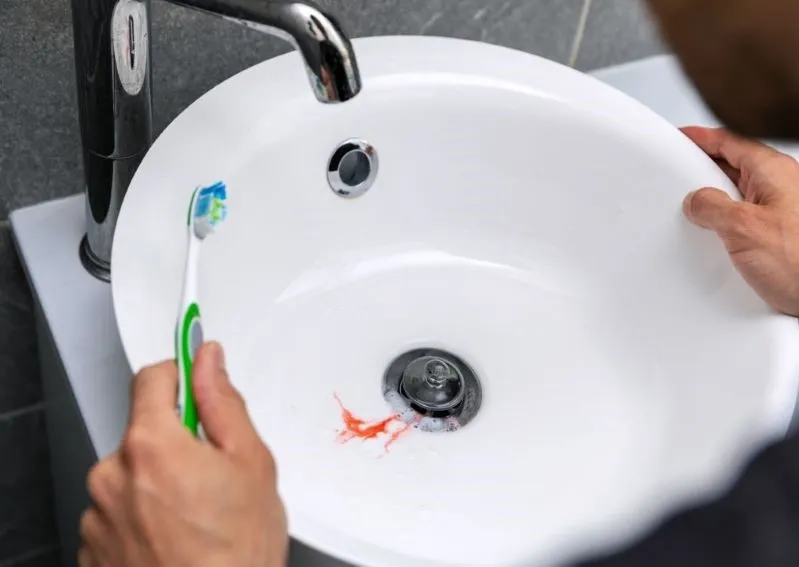
Treatment for bleeding gums
We can divide the treatments to stop or improve gum bleeding into two ways:
- For mild cases, the cause should first be detected. If bleeding is occasional, special mouthwashes may be recommended to treat gums. You should only rinse for 30 seconds after brushing your teeth.
- Do not abandon brushing if bleeding is observed. You should only do it after each meal in a mild way. Brushing, even if it does not appear, improves the symptoms of gingivitis.
- Now, in severe cases, where the bleeding is abundant, it is convenient to go through the dental specialist. He will check your gums, why the bleeding and inflammation is caused and if there is a risk to the teeth due to a gingival recession.
- In severe cases, if pyorrhea exists, the patient should be given periodontal treatment to completely eliminate this condition. Antibiotics will also be recommended to stop bacterial growth.
Are your gums bleeding?
If you need attention for swollen and bleeding gums, don't wait any longer and visit ODONTOFAMILY in Bilbao. We are a dental clinic with excellent professionals and the best medical care for your dental problems.
We even have virtual consultation, so you can ask everything you require for oral care. Also, if you need a personalized consultation, we also serve you and you can Start by asking for your appointment.
Ask for your valuation quote!
BILBAO GETXOGeneral oral health information. Your dentist’s assessment is needed to tailor any recommendation to your individual circumstances.
Keep reading the blog