Children’s orthodontics: what you need to know
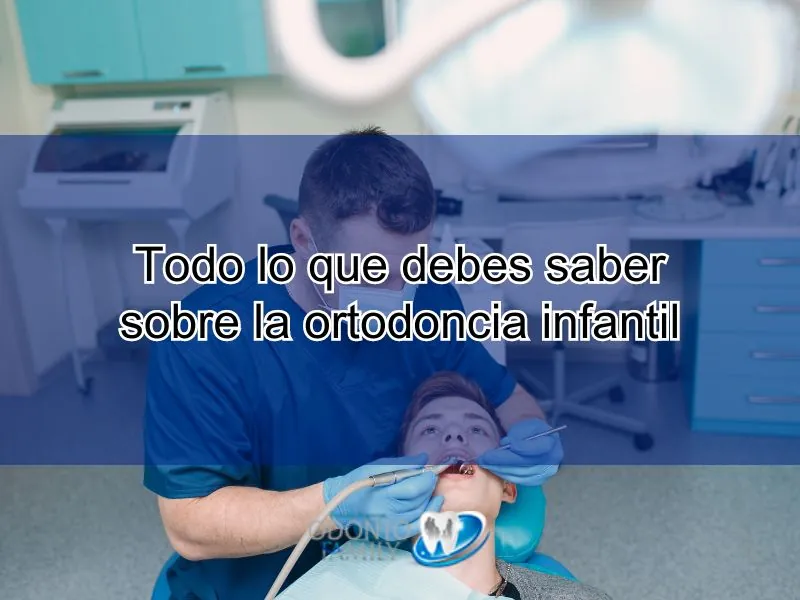
Childhood orthodontics plays a fundamental role in the proper development of children's oral health. In this article, we will provide you with all the information you need to know about this treatment, from its importance to the various types of treatments available.
Knowing the benefits of orthodontics in children, as well as the right time to start treatment, is essential to ensure a healthy smile throughout your life. In addition, we will give you tips to make the experience of orthodontics in children more bearable, as well as recommendations to choose the right child orthodontics clinic. Do not miss this complete guide on child orthodontics in ODONTOFAMILY!
What is child orthodontics and why is it important?
Childhood orthodontics is a dental specialty focused on the treatment of dental problems in children under 10 years of age. Its main objective is to correct both functional and aesthetic problems that may affect the oral health and dental image of children in their adult stage.
It is essential to pay attention to the growth of children's teeth and to go to the dentist to examine their teeth and evaluate whether orthodontic treatment is needed. This specialty uses special devices that help the jaws grow properly and the teeth are located correctly.
Some of the benefits of orthodontics in children include:
- Improves dental alignment: Orthodontics allows correcting problems of malocclusion, stumping, crooked or misaligned teeth, resulting in a more functional and aesthetically pleasing dentures.
- Improves bite: Orthodontics is also effective in correcting malocclusion problems, which prevents premature tooth wear and jaw problems.
- Prevention of future problems: Treating dental problems in childhood avoids more complex conditions in the future, such as the need for dental extractions or maxillofacial surgeries.
- Improves self-esteem: By correcting aesthetic and functional teeth problems in children, a better confidence and self-esteem is promoted, which contributes to a better quality of life.
Appropriate time to start treatment
It is important to bring children to a review before the age of 7 when the first molars come out to detect problems such as lack of space for other parts or prominent incisors. In cases of atypical bone growth, it may be necessary to start orthodontic treatment before the final teeth come out, so an early evaluation is recommended.
The right time to start child orthodontic treatment may vary depending on the age of the child and the type of dental problem he or she presents. Depending on age, different types of orthodontics may be needed:
- Early pre-orthodontics (3-6 years): It focuses on the correction of development problems of the maxillary and early teething.
- Functional pre-organisation (7-11 years): It is done when permanent teeth begin to appear and focuses on improving the bite function.
- Orthodontics of permanent teeth (11 years on): It takes place when permanent teeth have already erupted and seeks to align the teeth and correct possible orthodontic problems.
Childhood orthodontics is a recommended treatment to avoid dental problems in the future in children under 10 years of age. Detecting and correcting dental problems in children on time has multiple benefits for their oral health and well-being in general.
Types of orthodontic treatments for children
Childhood orthodontics is the recommended treatment to avoid dental problems in the future in children under 10 years of age. There are different types of orthodontic treatments that can be applied in children, depending on the individual needs of each case.
Orthodontics with metal brackets
One of the most common orthodontic treatments for children is the use of metal brackets. These braces stick to the teeth and are connected with wires that allow to exert pressure and move the teeth to their correct position. This type of treatment is effective in correcting dental alignment problems and malocclusions.
Invisible Orthodontics for Children
Invisible orthodontics, also known as InvisalignThis system consists of a series of clear aligners and removable ones that are changed every certain time to move the teeth gradually. This type of treatment is aesthetic and comfortable, since the clear aligners are practically invisible and allow the child to perform activities such as eating and brushing the teeth without interference.
Removable orthodontics apparatus
The removable orthodontic appliances they are an option for some children who require minor corrections to their teeth. These devices can be removed and put by the child himself, which facilitates oral hygiene and allows for smooth sports activities. However, it is important that the child follows the indications of the orthodontist as to the time of use and care of the device.
There are different types of orthodontic treatments for children, each with its advantages and considerations. It is important to bring children to an early review with the orthodontist to assess the need for orthodontic treatment and determine the most suitable type. Infant orthodontic not only corrects bite problems and dental alignment, but also contributes to good oral health in the future.
Care and maintenance in child orthodontics
Childhood orthodontics is a recommended treatment to prevent future dental problems in children under 10 years of age. This type of treatment aims to correct functional problems and dental imaging that may affect adults. It is important to pay attention to the growth of children's teeth and to go to the dentist to examine their teeth and evaluate if orthodontic treatment is needed.
Oral hygiene during treatment
During orthodontic treatment, maintaining good oral hygiene is essential to prevent the appearance of cavities and other dental diseases. Children should be taught the importance of a good brushing, the use of interdental brushes and avoid eating food such as gum, which can make dental cleaning difficult. In addition, it is advisable to use mouthwashes and dental silk to supplement daily cleaning.
Recommended diet for children with orthodontics
Food also plays an important role during orthodontic treatment. It is recommended to avoid hard or sticky foods that may damage or hinder dental cleaning. It is preferable to opt for a balanced diet, rich in fruits, vegetables and dairy foods, that contribute to maintaining good oral health.
Tips for making orthodontics more bearable in children
Childhood orthodontics is a recommended treatment to avoid dental problems in the future in children under 10 years of age. Although it can cause some discomfort and pain at first, there are strategies to minimize these discomforts and make the process more bearable.
It is important to pay attention to the growth of children's teeth and to go to the dentist to examine their teeth and evaluate whether orthodontic treatment is needed. This type of treatment aims to correct functional problems and dental imaging that may affect adulthood.
In order to minimize pain and discomfort, it is recommended to follow some recommendations. It is essential to bring children to a review before age 7, when the first molars come out, to detect problems such as lack of space for other parts or prominent incisors. In cases of atypical bone growth, it may be necessary to start orthodontic treatment before the final teeth come out, so an early evaluation is recommended.
It is important to note that depending on the age of the child, different types of orthodontics may be needed. Early pre-orthodontics (3-6 years) is used to correct bite problems and location of teeth. Functional pre-orthodontics (7-11 years) is used to correct problems in the growth of maxillae. And permanent teething orthodontics (11 years on) is used to correct dental alignment problems.
In addition to correcting aesthetic and biting problems, child orthodontics allows control of the exit of final teeth. Using this type of treatment guarantees excellent dentures and oral health in the future.
Motivation and emotional support during the process
During the orthodontic process in children, it is vital to provide them with motivation and emotional support. Understand that the use of dental devices is temporary and that the results will be worthwhile can help children cope better with treatment.
It is advisable to involve children in the decision-making process, allowing them to choose the color of the leagues, for example, so that they feel more comfortable and active part of the treatment. In addition, it is important to encourage them to follow the recommendations of the orthodontist, such as using elastics and maintaining good oral hygiene.
Emotional support from parents and dental staff is essential for children to feel safe and confident throughout the process. Reminding them of the long-term benefits of orthodontics and caring for their oral health can help maintain their motivation.
Childhood orthodontics is a recommended treatment to prevent dental problems in the future. Following the advice to minimize pain and discomfort, and providing motivation and emotional support during the process, it is possible to make orthodontics more bearable in children.
Recommendations for choosing the appropriate child orthodontics clinic
Experience and specialization of the orthodontist
It is essential to choose a orthodontist with experience and specialization in the treatment of children. A professional with specific knowledge and skills in child orthodontics will be able to correctly diagnose the problems of the growing teeth and jaw, and offer adequate treatment to correct them.
Technologies used in treatment
Another aspect to consider is the technology used in the children's orthodontics clinic. Technological advances in this field have allowed the development of different types of treatments more effective and comfortable for children. It is important to ensure that the clinic has modern technology and up-to-date equipment to ensure high quality care.
Evaluation of previous cases and references from other parents
Before making a decision, it is recommended look for references from other parents whose children have received treatment at the children's orthodontics clinic You can ask the clinic to show you previous cases and testimonies from other parents satisfied with the results obtained. This will give you an idea of the experience and approach of the orthodontist.
Choosing the appropriate child orthodontics clinic involves considering the experience and specialization of the orthodontist, the technology used in the treatment and evaluating previous cases and references from other parents. By taking these aspects into account, you can make an informed decision and ensure the best dental care for your children.
Remember that child orthodontics is essential to avoid dental problems in the future and ensure excellent oral health throughout the life of your children. Do not hesitate to go to a specialized orthodontist to get the best treatment for your children.
General oral health information. Your dentist’s assessment is needed to tailor any recommendation to your individual circumstances.
Keep reading the blog