Dental implants: the procedure and cost
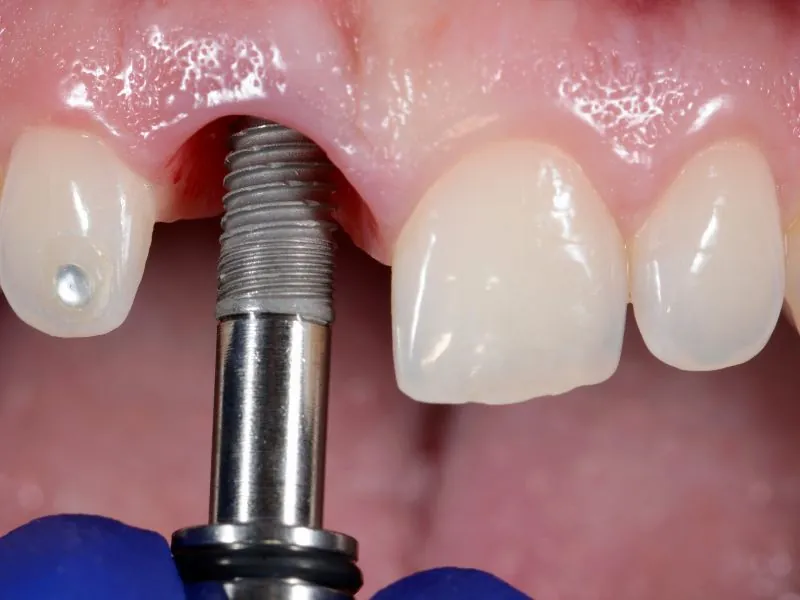
A dental implant is a modern and effective option to replace lost teeth. It consists of placing a titanium screw in the maxillary or jaw bone, on which is placed a dental prosthesis that functions as an artificial root. This procedure provides a solid and durable foundation for replacement teeth, providing an aesthetic and functional solution to those who have lost one or more teeth.
The process of placing a dental implant consists of several stages, including the preparation and evaluation of the patient, the surgical intervention for implant placement and the placement of the dental prosthesis. Factors that influence the cost of a dental implant include the number of implants needed, the quality and type of prosthesis used, as well as dentist fees and additional costs. In general, the cost of a dental implant may vary between 1500 and 5000 euros per tooth, depending on these factors.
What is a dental implant?
A dental implant is a dental procedure used to replace one or more lost teeth. It consists of inserting a titanium screw into the maxillary or jaw bone, which acts as a basis for holding a dental prosthesis that mimics the appearance and function of a natural tooth.
How does a dental implant work?
The process of placing a dental implant is usually carried out in several phases. First, an exhaustive evaluation and planning is carried out, including X-rays and mouth scans to determine the amount and quality of bone available, as well as the proper position for the implant.

Benefits of Dental Implants
Dental implants offer numerous benefits compared to other dental replacement options. Some of these benefits include:
- Restoration of chewing function: Dental implants provide efficient and comfortable chewing, allowing you to enjoy a wide variety of foods.
- Improvement of aesthetics: implanted dental prostheses look and feel like natural teeth, which improves the appearance and confidence in the smile.
- Preservation of bone: dental implants stimulate the surrounding bone, avoiding bone loss and facial collapse that can occur with the absence of teeth.
- Durability: Dental implants are a long-term option, with a high success rate and a potentially lifetime.
Process of placement of a dental implant
Stages of the placement process
The process of placing a dental implant consists of several stages that ensure the success of the procedure. The main stages of the process are described below:
- Evaluation and planning: Prior to implant placement, the dentist conducts a thorough evaluation of the patient's oral health. This includes X-rays and tomography to evaluate the quality and quantity of the bone, as well as the location of important structures such as nerves and maxillary sinuses. With this information, a personalized treatment plan is developed.
- Implant placement: At this stage, surgery is performed to insert the titanium screw into the jaw bone or jaw. Local anesthesia is used to ensure the patient's comfort during the procedure. Once the implant is inserted, the gum is sutured and a provisional prosthesis is placed to protect the area during the healing phase.
- Cycatrization and osteointegration: During this period of healing, which can last several weeks or months, the implant merges with the surrounding bone in a process called osteointegration. This ensures a solid basis for the future dental prosthesis.
- Placement of the prosthesis: Once the scarring is completed, a second minor surgery is performed to expose the implant and place the permanent dental prosthesis. This prosthesis can be an individual crown, a bridge or a complete denture, depending on the patient's needs.
- Follow-up and further care: After placement of the implant and prosthesis, it is important to maintain good oral hygiene and to go to regular examinations with the dentist. This guarantees the durability and proper functioning of the dental implant.
Preparation for dental implant placement
To ensure the successful placement of a dental implant, adequate preparation by the patient is required. Here are some key steps in the preparation:
- Initial query: The first step is to schedule a consultation with a dentist specializing in dental implantology. During this consultation, the dentist will evaluate the viability of the implant and respond to all questions and concerns of the patient.
- Medical and dental history: The dentist will collect detailed information about the patient's medical and dental health, including any pre-existing medical conditions, allergies, medications being taken, and prior dental treatments.
- X-rays and CT scans: X-rays and tomography will be done to assess the quality and quantity of bone available, as well as the precise location of vital structures in the mouth.
- Pre-treatment: In some cases, prior dental treatments may be needed to prepare the mouth before implant placement. This may include removals of compromised teeth, treatment of gum disease, or even a bone graft to strengthen the bone where the implant will be placed.
- Treatment plan and budget: Once the initial evaluation is completed, the dentist will develop a personalized treatment plan and provide a detailed budget. It is important to discuss all options and clarify any doubts before giving the procedure a green light.
The process of placing a dental implant consists of different stages that guarantee the success of the treatment. Proper preparation by the patient, including an exhaustive evaluation and a personalized treatment plan, is essential to obtain the best results. The process can take time and requires further care, but dental implants are an excellent option to replace lost teeth and restore the function and aesthetics of the smile.
How much does a dental implant cost?
Factors influencing cost
A dental implant is a dental procedure that consists of replacing one or more lost dental pieces. It is a surgical procedure in which a titanium screw is inserted into the jaw bone, which will serve as a basis for holding the new dental piece.
The cost of a dental implant may vary depending on several factors, such as the geographical location, the reputation of the dentist, the type of implant used, the number of implants required, and whether any additional procedures, such as a bone graft, are needed.
Average prices of dental implants
On average, the cost of a single dental implant can range between 1500 and 4000 euros, these indicative numbers being able to vary according to the factors mentioned above.
It is important to note that this price usually only includes the implant itself and not other associated costs, such as prior consultations, radiographic study, possible additional tests, prosthesis (corona) that will go on the implant and any other treatment necessary before or after the implant.
As for the duration of the procedure, a dental implant may take several months to complete, as it requires different phases, such as implant placement, healing time, placement of the prosthesis and necessary adjustments.
It is important to keep in mind that each person is unique, and the exact cost and process may vary according to the individual needs and opinion of the treating dentist. Therefore, it is essential to consult a specialized dentist to obtain a specific evaluation and budget.
In short, a dental implant is a durable and effective solution to replace lost teeth. It consists of placing an artificial titanium root in the jaw bone or jawbone, on which a dental prosthesis is placed. Implants offer numerous benefits, such as improving facial aesthetics, allowing correct chewing and maintaining the health of bones and gums. The process of placing a dental implant consists of several stages, ranging from preparation to definitive placement. As for the cost, this can vary depending on different factors, such as the number of implants, the quality of the material used and the dentist's experience. To learn more about dental implants and their costs, I invite you to read other articles on our ODONTOFAMILY blog.
General oral health information. Your dentist’s assessment is needed to tailor any recommendation to your individual circumstances.
Keep reading the blog