Food and drink after teeth whitening
After a whitening treatmentThis happens because of the extrinsic stains that probably lead to the teeth becoming darker. So while tooth whitening removes stains on the teeth, making them brighter and whiter, it also leaves them more sensitive and with a porous enamel. Therefore, to prevent the treatment applied is best to resort to the white diet. If you want to receive the best advice in the care of your teeth, go to ours. Dentist Bilbao.
What is the white diet about?
The white diet involves recommendations from the dentist about the foods you can eat and those that you must avoid so that the aesthetic treatment of whitening has a more optimal result. If after reading the article you follow with questions do not hesitate to come to our dental clinic Getxo.
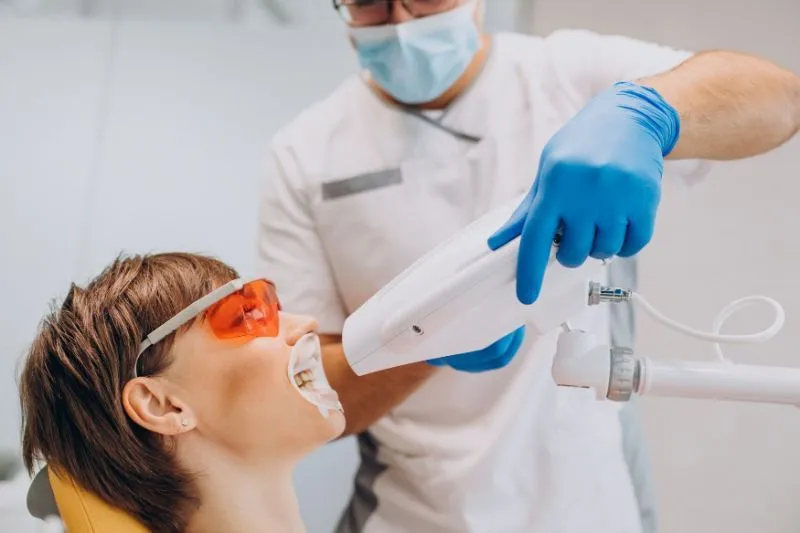
It should be remembered that whitening is done through compounds such as hydrogen peroxide or carbamide peroxide. Such compounds favor tooth enamel, making it more porous and receptive to the modifications it will have in the following days. However, these chemicals have a duration of up to 5 days to be removed from the surfaces where they were applied.
So, to prevent the teeth from becoming dark in this process, it is best to avoid some foods that tend to stain the teeth yellow. Until the teeth recover their surface, it is recommended to follow a white diet, that is, rich in foods that will strengthen the health of the teeth, while avoiding those that tend to spot.
How to keep your teeth white after a tooth whitening?
After a dental whitening treatment, the specialist will tell the patient some recommendations to keep the results intact for longer. To keep the white teeth longer, it is best to follow these tips that we give you below:
- Avoid consumption of acidic and citrus products.
- Do not drink too hot or cold drinks, at least for the next 48 hours to dental whitening treatment.
- Don't chew ice.
- Do not consume bicarbonated soft drinks, rather opt for white drinks.
For the results of the dental whitening treatment to be more durable, the patient must put on his side and follow the recommendations of the specialist. One of the most important is undoubtedly dental hygiene. And this not only helps with the duration of the treatment results, but also keeps at bay the bacteria that enter our mouth after each meal.
It should be mentioned that the bacterial plaque is the cause of damage to the tooth enamel, in addition to causing cavities. Therefore, it is imperative that the patient brush at least three times a day, preferably after each meal. In addition, it is best to complement this hygiene process with the use of dental floss.
Another aspect to keep in mind is tobacco use. Let’s remember that this product is one of the main enemies of teeth. In addition to harming your overall health, it weakens your teeth, and stains them easily. That’s why, after a tooth whitening treatment, the first thing the professional will restrict you will be this bad habit.
But, what is more to pay attention is to feeding after a tooth whitening. Even if they are not as aggressive as tobacco, there are foods that can produce stains on the tooth enamel. Therefore, in the next 48 hours, they will be totally forbidden, and even longer for the results to be more optimal and the tooth whitening will last much longer.
Appropriate foods after tooth whitening
The white diet includes nutritious and delicious foods that will strengthen your teeth. Such a diet includes dairy products in general, except for those that carry fruit in their components. The list of foods allowed or that are appropriate after a tooth whitening have its raison d'être, namely.
The apple
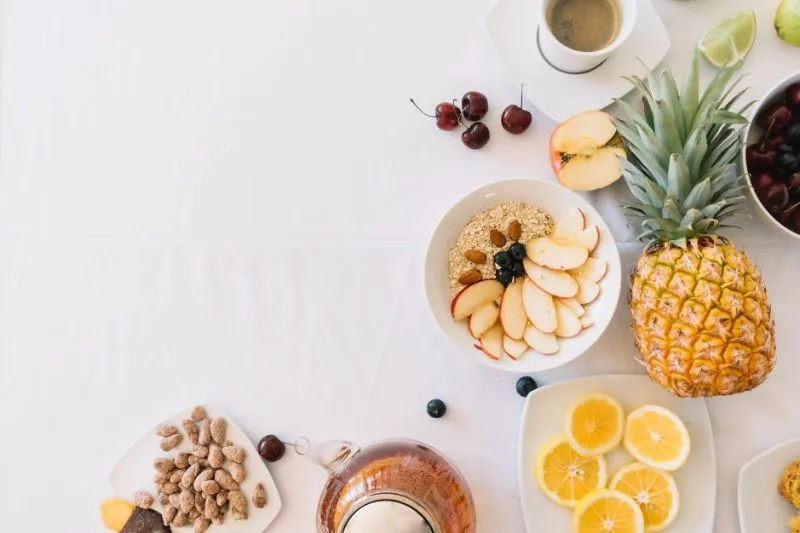
In addition to being a fiber-rich fruit, ideal for lowering cholesterol and eliminating toxins in your body, it is excellent for cleaning dental plaque. This food helps your teeth look more polished, while eliminating bad breath and increasing saliva production.
Cheese
This food is one of the most important within the white diet because it is very rich in lactic acid. Such a component helps to strengthen the enamel, as well as prevent cavities.
Pineapples
Pineapple has an enzyme (Bromelin) that helps remove the natural stains from the teeth, without affecting the tooth enamel. In addition, this enzyme fights the bacterial plaque. So it eliminates bacteria that demineralize the enamel and cause cavities.
Now, pineapple should be natural to avoid the excess sugar that pineapples have preserved. It is worth mentioning that this fruit also contains calcium, antioxidants, fibers, folic acid, iron and vitamin A. So its consumption is not only beneficial for teeth.
Broccoli
Thanks to the consumption of this food, we promote saliva production in our mouth. And to the same extent, it reduces the chances that the teeth will stain. How is this possible? Because of its high content in calcium, antioxidants, folic acid, iron, vitamin A and fiber, a barrier is created in the teeth that prevents the bacterial plaque from forming in the teeth. Such barrier reduces the contact of harmful foods with tooth enamel.
Of course, these are not the only foods recommended for making the white diet. There are many more that the dentist can tell you to bring a healthy diet for both your body and your teeth, especially after a tooth whitening.
Food and drink to avoid during bleaching
The white diet is born of the need to avoid foods with strong pigments, color, citrus and sauces that dye the teeth and is more likely after a tooth whitening. However, in different blogs we can notice that there is no agreement on what is allowed and what is not, after a tooth whitening. That’s why, then, we explain why you shouldn’t eat these foods, and what are the most harmful to your teeth.
Foods without dyes
Most patients believe that, because a food does not have a dye, it is good for health, and that it will not affect the coloration of their teeth after a whitening. However, that is not necessarily so. Hence the importance to consult with the specialist about foods that we should not consume after a dental treatment.
Citrus fruits, for example, are not recommended after whitening because they are very acidic and therefore damage the tooth enamel. In addition, they cause sensitivity in the teeth. The same happens with some vegetables such as artichokes, sweet potatoes, carrots, spinach and pumpkins.
Foods with dyes
Coloured food products are completely eliminated from the white diet. Drinks such as tea, coffee, chocolate, red wine or carbonated drinks are the worst to consume after tooth whitening treatment. The same is true for fruit juices as they contain intense colors.
Fruits such as blueberries, cherries, tomatoes, mangoes, plums and blackberries, must be completely discarded. The reason is that these have high pigment content, so the teeth will suffer coloration damage. Of course, as the list is long, it is recommended to ask a professional such as the ODONTOFAMILY.
Recipes that contribute to the white diet
Running a white diet can be tricky if we don’t have many ideas to do it. Here are some examples of what you can eat in a day to meet the white diet after tooth whitening treatment.
For breakfast you can eat tortillas made with egg white and oatmeal, accompanied by apple or banana in pieces. In addition to a vegetable drink that gives you energy during the day.
At lunch you can make onions stuffed with chicken and leeks, accompanied by broccoli and roasted cauliflower. While, at dinner, eat grilled fish with zucchini salad without skin, onion, leek and turnips.
Although these are just a few suggestions, after the dentist presents you with the list of foods allowed in the white diet, it will be easier to create combinations for your meals after a dental whitening treatment.
Do you need a tooth whitening?
A good tooth whitening will be the beginning to have a healthy, white and shiny teeth. Of course, not only are the recommendations of a white diet enough, you also have to undergo treatment with reliable specialists.
To make you the best tooth whitening treatment, you have to to make an appointment with dentists from Bilbao in ODONTOFAMILY. In addition, you can receive immediate virtual consultation for emergencies.
General oral health information. Your dentist’s assessment is needed to tailor any recommendation to your individual circumstances.
Keep reading the blog