Gum disease: prevention and treatment
Gum diseases, also known as periodontal diseases, are oral conditions that can cause inflammation, bleeding and weakening of the gums. In more severe cases, they can lead to loss of teeth. In this article, we will address what are their causes, risk factors, symptoms and warning signs, and the importance of oral hygiene in their prevention. In addition, you will know the proper techniques of brushing and correct use of dental floss, as well as the recommended products to maintain good oral health. Finally, we will also analyze the treatments available, from professional cleaning procedures to surgical interventions for advanced cases. Do not miss this vital information to care for your gums and maintain a healthy smile.
What are gum diseases and what are their causes?
Gum diseases are one of the most common conditions in the oral cavity and can have serious consequences, such as tooth loss. These diseases are mainly caused by the accumulation of bacterial plaque in teeth and gums. Unhealthy habits, such as smoking, excessive consumption of alcohol and a unhealthy diet, can increase the risk of gum disease. diabetes and cardiovascular disease can also affect the health of gums.
Risk factors for the development of gum disease
Several factors increase the risk of developing gum disease. Some of the main risk factors include:
- Poor oral hygiene: not brushing your teeth regularly and not flossing may allow bacterial plaque to build up in your teeth and gums.
- Smoking and tobacco products consumption: smoking is a significant risk factor for the development of gum disease. Tobacco reduces the ability of the immune system to fight bacterial infection in the gums.
- Diabetes: people with diabetes have an increased risk of developing gum disease due to decreased immune response and increased risk of infection.
- Hormone changes: women experience hormonal changes during pregnancy, menopause, and the menstrual cycle, which can make gums more susceptible to the disease.
- Medicinal products: some medicines, such as anticonvulsants and calcium channel blockers, may increase the risk of gum disease.
- Genetic factors: having a family history of gum disease may increase the risk of developing these conditions.
- Stress: chronic stress can weaken the immune system and increase the risk of gum disease.
- Bad eating habits: a diet deficient in essential nutrients can weaken the immune system and increase the risk of gum disease.
Symptoms and warning signs of gum disease
Identifying symptoms and warning signs of gum disease is important for early treatment. Some of the most common symptoms and warning signs include:
- Bleeding of gums: gums may bleed during brushing or flossing. This is one of the first signs of gum disease.
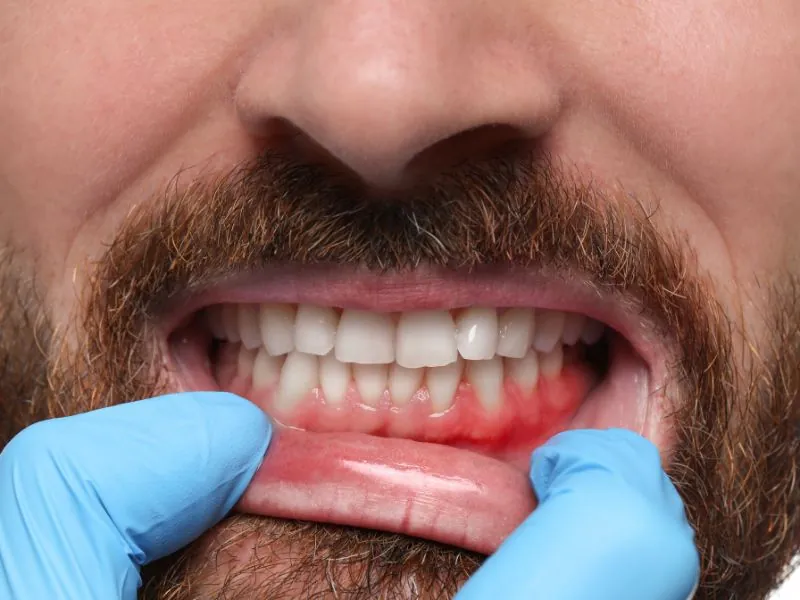
- Red, swollen or sensitive gums: gums may look red, swollen, or sensitive to touch.
- Persistent bad breath: chronic bad breath can be an indicator of gum disease.
- Gums withdrawn: gums may begin to pull out of your teeth, which can make your teeth look longer than normal.
- Dental sensitivity: teeth can become sensitive to heat or cold.
- Motion or separation of teeth: as gum disease progresses, teeth may become mobile or begin to separate.
If you experience any of these symptoms or warning signs, it is important to seek dental care. A dentist can assess the health of your gums and provide the right treatment to prevent the progression of gum disease.
Remember that prevention and early detection are fundamental to the management of gum diseases. Maintaining good oral hygiene, conducting regular visits to the dentist and adopting healthy lifestyles, such as quitting smoking and following a balanced diet, can help prevent and treat gum diseases.
Importance of oral hygiene in the prevention of gum disease
The oral hygiene It plays a crucial role in the prevention of gum diseases. Healthy gums are fundamental to good oral health, as they act as a barrier to protection against bacteria and harmful substances. In addition, healthy gums contribute to an aesthetic appearance and prevent more serious problems, such as tooth loss.
Stop Keeping gums healthy, it is essential to follow appropriate brushing and flossingBrushing your teeth at least twice a day for two minutes each time is essential to remove the bacterial plaque that accumulates in your teeth and gums. It is recommended to use a soft bristles brush and a fluoride toothpaste for better results.
In addition to brushing, the dental floss use The dental floss comes to the interdental spaces where the brush cannot reach, eliminating the bacterial plaque and the remains of food that are lodged between the teeth. It is advisable to use the dental floss at least once a day, preferably before going to sleep.
Recommended products to maintain good oral health
There are several recommended products for maintain good oral health and prevent gum diseases. Below are some of them:
- Dental brushes: Soft bristles brushes are ideal to avoid damaging gums during brushing. Electric brushes can also be found, which facilitate the cleaning of teeth and are especially recommended for people with movement difficulties.
- Fluorine toothpastes: Fluorine toothpaste helps prevent tooth decay and strengthen tooth enamel. It is important to choose a fluoride-containing toothpaste for additional benefits in oral health.
- Oral rinses: Oral rinses with ingredients such as fluoride, chlorhexidine, or essential oils can be beneficial for controlling the bacterial plaque and maintaining healthy gums. However, it is important to use them according to dentist’s indications, as some may be too strong and cause irritation.
- Dental thread and interdental brushes: In addition to traditional dental floss, there are interdental brushes that can be of great help in cleaning spaces between teeth and gums. These devices are especially useful for people with braces or dental implants.
- Oral irrigators: Oral irrigates, also known as waterpiks, use a stream of pressure water to clean the spaces between teeth and gums. These devices can complement the use of the brush and floss, but should not replace them.
Maintaining good oral hygiene through adequate brushing techniques and flossing is essential to prevent gum disease. In addition, the use of recommended products such as soft bristles brushes, fluoride toothpaste, dental floss and mouthwashes can contribute to good oral health. Remember that prevention is the best treatment and that it is essential to go to the dentist regularly for professional review and cleaning.
Treatments available for gum disease
Professional cleaning procedures and root scraping
In the field of dentistry, there are several treatments available to prevent and treat gum diseases. One of the most common procedures is professional cleaning, performed by a dentist or dental hygienist. During this cleaning, the plaque and tartar accumulated in the teeth and gums are removed. A procedure called radicular scraping, which consists of removing the plate and tartar found below the gum line.
Surgical treatments for advanced gum disease
In more advanced cases of gum disease, surgical treatments may be needed. These treatments are designed to treat the periodontitis, a more severe form of gum disease. Some of the surgical treatment options include:
– Colgajo surgery: In this technique, the dentist lifts the gum to access the damaged tissues and clean them. Then, the gum is put back in place.
– Soft tissue grafts: This procedure is used to treat the gum recession. It is taken tissue from another part of the mouth and placed in the affected area, covering exposed roots.
– Bone grafts: When periodontitis has caused bone loss around the teeth, bone graft surgery may be necessary. In this procedure, artificial or natural bone is placed in the affected area to stimulate the growth of new bone.
It is important to note that these surgical treatments are usually the last option, used when other treatment methods have not worked. In addition, adequate dental care is required after these procedures to maintain oral health over the long term.
There are several treatments available to prevent and treat gum diseases. From professional cleaning procedures and root scraping to more advanced surgical options, each of them aims to improve oral health and prevent serious complications such as tooth loss. It is essential to maintain good oral hygiene, visit the dentist regularly and follow professional recommendations to achieve and maintain healthy gums.
Frequently Asked Questions on Preventing and Treating Gum Diseases
How to cure sick gums?
Sick gums can be a common problem affecting the oral health of many people. To cure them, it is important to follow a series of tips and recommendations that will help improve their condition.
Good oral hygiene is essential to prevent and treat sick gums. Regular brushing and flossing are essential practices to eliminate bacterial plaque and food remains that accumulate in teeth and gums.
In addition, it is advisable to use a mouthwash with antibacterial properties to supplement cleaning. These rinses help reduce the amount of bacteria in the mouth and can help speed up the healing process.
If the gums are swollen or bleed, it is important to go to a trusted dentist for proper diagnosis and treatment. The professional will be able to evaluate the condition of the gums and determine if it is necessary to perform a deep cleaning or some other procedure.
In some cases, the dentist may recommend the use of topical medications or antibiotics to treat sick gums. These medicines can help reduce inflammation and fight infections in the gums.
In addition, taking a balanced diet and avoiding excessive consumption of sugary foods and drinks can contribute to the healing of sick gums. Sugar promotes the growth of bacteria, which can worsen the state of the gums.
To cure sick gums it is necessary to follow good oral hygiene, use antibacterial mouthwashes, go to the dentist for proper treatment and have a balanced diet. Remember that prevention is essential to avoid future problems and maintain a healthy smile.
What is good for regenerating gums?
Gums are a very important tissue for oral health, as they surround and protect the teeth, preventing the entry of bacteria and the appearance of periodontal diseases. They need to be properly cared for to prevent their deterioration and promote their regeneration.
To regenerate the gums, it is advisable to follow these tips:
- Keep good oral hygiene: brush your teeth after each meal and use dental floss to remove the traces of food that accumulate between teeth and gums.
- Use a soft toothbrush: Avoids hard bristles brushes that can damage the gums. Opts for a soft bristles brush and makes smooth, circular movements when brushing.
- Rinse with salt water: rinsing with warm water and salt can help deflate the gums and encourage their regeneration.
- Avoid tobacco: tobacco is harmful to the gums and can make it difficult to heal and regenerate. If you are a smoker, try to reduce or completely quit this habit.
- Make a good diet: A balanced diet rich in vitamins and minerals is essential for the health of the gums. It is advisable to consume foods rich in vitamin C, such as citrus fruits, strawberries or kiwis, since this vitamin is essential for the regeneration of the tissues.
- Regular visit to the dentist: a dentist may assess the state of your gums and perform the professional cleaning necessary to keep them healthy. In addition, they may recommend specific treatments to regenerate your gums if necessary.
The regeneration of the gums can take time and effort, but following these recommendations you can improve your condition and prevent periodontal diseases. Remember that maintaining good oral health is essential to enjoy a healthy and beautiful smile.
General oral health information. Your dentist’s assessment is needed to tailor any recommendation to your individual circumstances.