How many teeth do we have?
We use teeth every day, so it would be convenient to know how many we have; however, you are unlikely to know the answer. Have you ever wondered how many teeth we have? It depends primarily on age, as children and adults do not have the same teeth.
Teeth of an adult
As expected, adults have more teeth than children; this is because molars that are born after the fall of milk teeth. Most people reach adolescence with all their adult teeth, although the wisdom teeth do not end up appearing until adulthood.
How many teeth does an adult have?
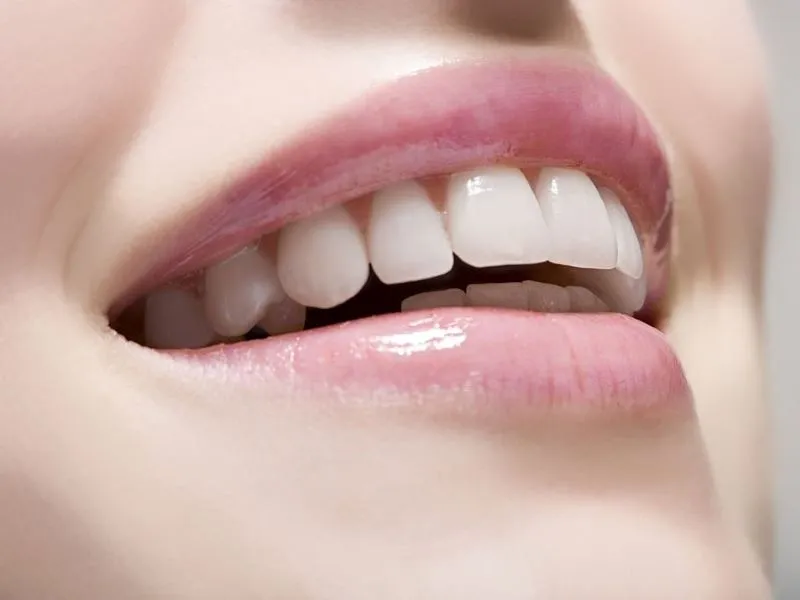
Most adults have a total of 32 teeth, consisting of 8 incisors, 4 canines, 8 premolars and 12 molars. These teeth have the following functions:
- Incisive: are large teeth in the front of the mouth, whose function is to cut food.
- Canines: commonly known as “colmillos”, are next to the incisors and their function is to tear food apart.
- Premolars: they follow the canines and have two cusps or tips, their function is to crush the food.
- Molars: are larger than premolars, with four cusps instead of two, and also have the function of crushing food.
However, it is common to remove wisdom teeth when there is not enough room for them to grow comfortably, leaving them with only 28 dental pieces.
How many teeth are there before the trial?
Wisdom teeth usually appears between the ages of 17 and 25, but before this the teenager already has 16 teeth. It is the 8 premolars that appear in the place of milk grinders, and 8 new molars.
How many wisdom teeths are there?
The wisdom teeth are 4, which make their appearance between 17 and 25 years of age. However, it is common that they do not come out, or that they do not come out completely. Furthermore, if they cannot grow comfortably or cause the other teeth to misalign, the dentist will recommend removing them.
Teeth of a child
Dentition begins at around 6 months of age and these first teeth are usually known as “milk teeth”, because they will begin to fall over time, around 6 years of age. Although they are temporary, their care is just as important.
They differ from the final teething because the teeth of milk are smaller and whiter. However, the teeth of children perform the same function as the teeth of adults, which is to cut, tear or crush food, depending on whether it is incisors, canines or molars, respectively.
How many milk teeth do we have?
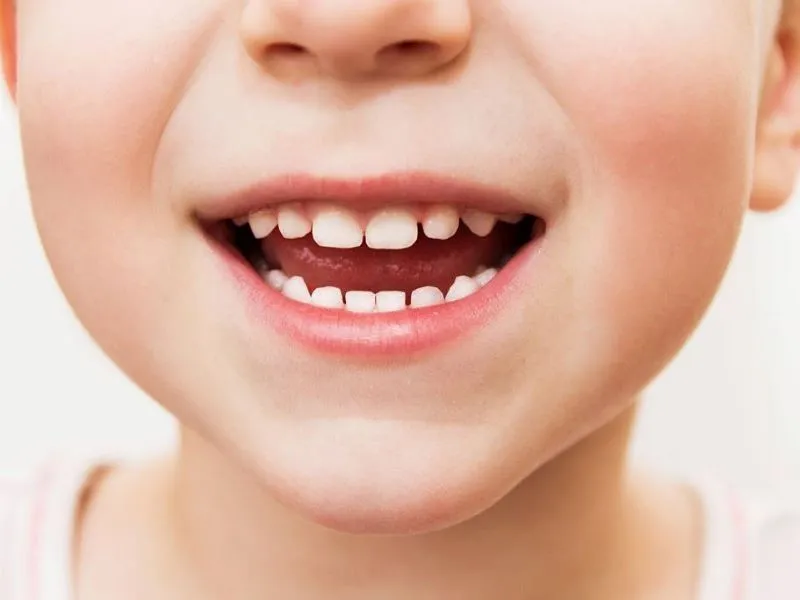
When they have reached the age of 3, the child will have a total of 20 teeth of milk; 10 at the top and 10 at the bottom of the mouth. These are 8 incisors, 4 canines and 8 molars, which will mark where the permanent teeth will go; where the molars of milk are located, the premolars will go.
However, it is also common for the milk teeth to remain in adulthood. This condition is known as “dentary anagesia”; when the final teeth are not formed, the primary teeth remain in place.
How many teeth does a child have?
Children have 8 molars of milk. Unlike incisors and canines, when molars fall, they will not be replaced by other molars, but by permanent premolars.
General oral health information. Your dentist’s assessment is needed to tailor any recommendation to your individual circumstances.