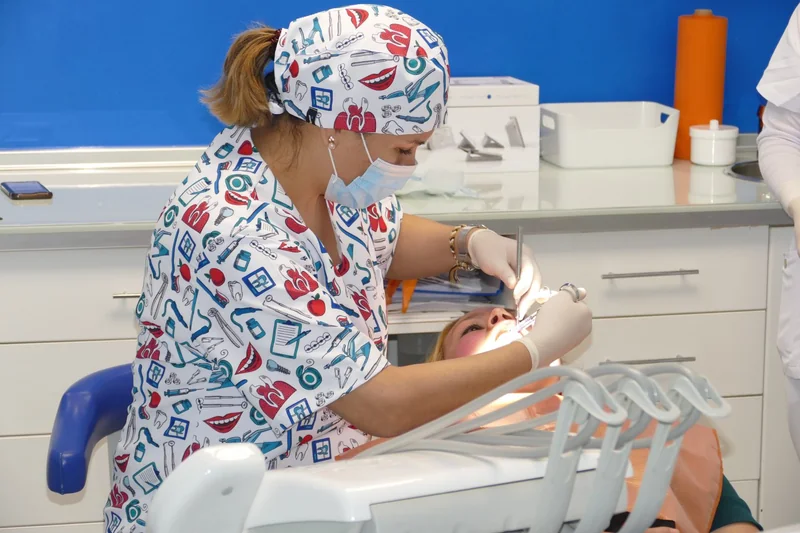
Lingual braces: benefits and comfort during treatment

Get a pretty smile doesn’t have to mean sacrificing comfort. Language orthodontics offers an innovative approach to straightening teeth that works without the hassles of traditional appliances. Language orthodontics uses custom braces and wires that stick to the back of the teeth, hiding them from the eye.
East treatment is very effective to get a straighter and healthier smile without antisthetic wires and metal braces. This guide will provide you with an overview of lingual orthodontics, including its benefits, types of cases you can try and how it can help you get a healthier and straighter smile without sacrificing comfort.
Introduction to linguistic orthodontics
The linguistic orthodontics is an innovative method for straightening teeth that works without the discomfort of traditional appliances. This treatment uses custom braces and wires that stick to the back of the teeth, hiding them from the eye. stick to the sides of the teeth, just above the gum line. This treatment method is very effective in achieving a rolling, healthier smile without anti-aesthetic metal wires and supports.
Language orthodontics is a type of orthodontic treatment.”invisible“ who uses custom braces attached to the back of the teeth to reposition them in a better and healthier position.
A difference of traditional orthodontics, which uses braces on front or exterior surfaces of teeth and wires that are sometimes visible, the lingual orthodontics uses braces and wires that stick to the back of the teeth, out of sight. That’s why lingual orthodontics is sometimes called “invisible orthodoxy”.
Advantages of Language Orthodontics
People who have undergone traditional orthodontic treatment with braces can better understand the benefits of lingual orthodontics than anyone else. Traditional orthodontic treatment has some disadvantages, such as the anti-aesthetic aspect of braces and wires, the need for patients to clean metal parts several times a day and the discomfort associated with carrying appliances for a certain time. Language orthodontics offers a comfortable alternative to traditional orthodontic treatment with many advantages.
The advantage more obvious language orthodontics is that it is “invisible“. Patients who undergo this type of treatment are not required to carry a retainer nor do they have the anti-aesthetic aspect of traditional appliances such as linguistic orthodontics. does not involve the use of brackets or metal wires, do not need to be cleaned.
Types of cases that can treat lingual orthodontics
Language orthodontics can be an effective way to straighten your teeth, correct bite problems and improve health This treatment is more suitable for patients than:
They have mature teeth – They have enough space in their mouth for the new position of their teeth – They have enough flexibility in their teeth – They have moderate to severe stumping – They have moderate space problems – They have mild to moderate misalignment If they meet all these criteria, then they could benefit from language orthodontics.
What to expect during treatment
Language orthodontic treatment will vary from patient to patient, but there are certain steps that all patients will follow. If you decide to undergo this treatment, you should know what to expect throughout the process. The first step is the initial impression. During this visit, the orthodontist will take impressions of your teeth.
Then you will have the initial consultation and treatment plan. With lingual orthodontics, the treatment will last less time than with traditional appliances. The orthodontist will create custom braces that will stick to the back of the teeth. You can eat and talk normally while they are placed.
How language orthodontics differ from traditional appliances
When comparing lingual orthodontics with traditional devices, you will notice some important differences. The most notable is that lingual orthodontics are completely hidden from view. No wires. No metal braces on the outside of the teeth. Instead, the braces stick to the back of the teeth, just below the gum line. This makes lingual orthodontics much less visible than traditional appliances.
The lingual orthodontics is also more comfortable than traditional appliances. The braces are attached to the back of the teeth, so no pressure is exerted on the front. Nor is it necessary to tighten the braces regularly.
Advantages of Language Orthodontics
As we have discussed throughout this guide, many patients benefit from lingual orthodontics. However, those interested in this type of treatment may be curious about know its benefits specific.
If you are not sure whether to have a lingual orthodontic treatment but are curious about its possible advantages, this section is for you. Some of the most notable benefits of lingual orthodontics include:
It is completely hidden from view – It is more comfortable than traditional appliances – It treats a wide variety of dental problems – It has a shorter treatment time frame – It treats more serious cases of malocclusion compared to traditional devices – There is no need to tighten appliances regularly – There is little or no discomfort associated with lingual orthodontics – No need to clean metal parts – There are no restrictions on eating and drinking when wearing lingual orthodontics – There are no restrictions on speaking when wearing lingual orthodontics – Don’t take off your braces on special occasions – Don’t worry about seeing your braces in photos or at school – Don’t worry about seeing your braces at sporting events
How language orthodontics differ from traditional appliances
When comparing lingual orthodontics with traditional devices, you will notice some important differences. The most notable is that lingual orthodontics are completely hidden from the eye. There are no metal wires or braces on the outside of the teeth. Instead, the braces stick to the back of the teeth, just below the gum line. This makes lingual orthodontics much less visible than traditional appliances.
The lingual orthodontics are also more comfortable than traditional devices. The braces are attached to the back of the teeth, so no pressure is exerted on the anterior part. Nor is it necessary to tighten the braces regularly.
Linguistic orthodontics is a method of treatment that uses Custom brackets attached to the back of the teeth to reposition them in a better and healthier position.
A difference in traditional orthodontics, which uses braces on the front or exterior surfaces of teeth and wires that are sometimes visible, the lingual orthodontics uses braces and wires that stick to the back of the teeth, out of sight. That’s why lingual orthodontics is sometimes called “invisible orthodontics”.
Language orthodontics benefits patients who have moderate to severe crowding, moderate spacing, mild to moderate misalignment, a moderate to severe overbite or a combination of these concerns. If these criteria apply, lingual orthodontics may be an option.
General oral health information. Your dentist’s assessment is needed to tailor any recommendation to your individual circumstances.