Mouth ulcers: causes and care
Lesions on the mouth mucosa are more frequent than you think. And mouth sores are the first lesions we can mention. These sores in the mouth are small in size, but a level of intense pain. They can even be annoying to talk, affecting the quality of life of the person who presents them.
Although they are annoying, they do not present a severity like other diseases. Some people may present them sporadically. However, others have a genetic predisposition that causes them to develop this type of injury.
According to specialist figures, one in three people have ever suffered from this disease in their lives. So, if you want to know more about mouth sores, keep reading this post. We will talk about these injuries, their most likely causes and what cures we can do to reduce their annoying effects. If you want to get the best advice, go to our dental clinic Bilbao.
What are the aftas?
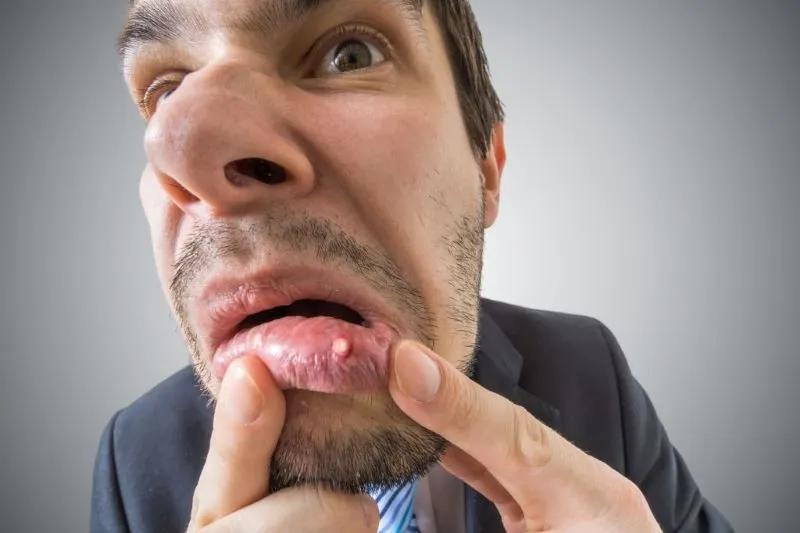
Repeated foot-and-mouth stomatitis or sores are round or oval-shaped lesions that occur in the oral mucosa. Its name comes from the Greek “aphtai” which means burn. Along with caries, they are the oral diseases that occur most frequently.
In the center or base they have a yellowish color or white tone, becoming more reddish towards their edge. It can present as a unique injury or form in groups of 20 or more lesions. Yes, they do not become contagious.
The diameter of the sores can vary, having an average of 5 mm. They can be as small as an oval of 3 mm or as large up to 8 mm. Among the sensations you can experience is the stinging in the area, presenting varied intensities before the disappearance of the lesion.
In addition, they are quite painful for the size they are. However, it will not take more than 14 days to heal. Usually, this infection does not present other symptoms, unless it is a more serious infectious condition.
Why are sores coming out of your mouth?
Despite the advances in medicine, there is still no proven cause for the appearance of these lesions. Some theories state that it has some relationship to the immunological processes of bacteria in the buccal flora.
However, other theories claim that there are certain elements of genetic predisposition. And this is relevant to highlight, since the highest incidence of occurrence is in young people and with double probability in women, due to their recurrent hormonal alterations. Under these lines we review some “probable causes” of oral sores.

Low defences
One of the first causes and the most related to this problem is the low defenses of our organism. This is a general symptom that the body is going through a situation of vulnerability. And it represents not only that there are no defenses against the sores, but against other diseases caused by viruses or bacteria in the space we find ourselves.
Injury with a sharp element
In some cases these sores are caused by injuries with stabbing elements that damage the mouth mucosa. Depending on your brushing, the bristles can hurt your mucous membranes. Also, teeth, through bites to the walls of the mouth or tongue.
Autoimmune diseases
Oral sores, according to specialized studies, usually appear with a higher incidence in people who have autoimmune diseases. In this section we can mention Crohn's disease, HIV, celiac disease and more.
Deficiency of certain vitamins such as B and C
The lack of a balanced diet in vitamins and minerals has been associated with the appearance of these sores. Deficiency of elements such as vitamin B complex (especially vitamin B12), vitamin C, minerals such as iron, zinc and derivatives as folic acid, can encourage the appearance of oral sores.
Brackets
Another example of cause is the sharp elements in the mouth, such as dental prosthesis or orthodontic systems, especially when recent arrangements have been made to these systems. These elements may end up rubbing the mucous membranes or mouth cavities producing this type of wound in the mouth.
How to cure sores in the mouth?
In general, if this condition is not caused by illness or any deficiency of supplements, its disappearance will be a matter of days and will not require treatment. Also, cleaning more often mouth and teeth will help relieve its annoying presence.
Now, if the discomfort persists even when you have brushed, you can rely on some medicine for sores. They are not specific medications, but they can relieve their symptoms, such as antihistamines, corticosteroids, and antacids. But it is best that you consult with your dental specialist to recommend the most appropriate.
Other treatments to reduce the painful effects of sores:
- Local anesthetics when the pain is severe, which may contain 2% lidocaine.
- Topical anti-inflammatory drugs, which can be applied locally in the affected area.
- Oral antiseptic substances to remove bacteria from the mouth, which prevents infections again.
Homemade remedies for oral sores
Home remedies for this condition involve sodium bicarbonate, which is diluted to reduce the effects. There are also mild saline substances for such effects. In this case, we offer you information about other remedies that you can perform in emergency cases:
- Rinse your mouth with drinking water and table salt.
- If you have hydrogen peroxide and magnesia milk, you can do a good home treatment. To do this, it is advisable to dilute the peroxide in water and apply it with a disposable cotton swab. Then add a portion of magnesia milk to the area with sores. You should repeat the process between 3 and 4 times a day.
- Another remedy with magnesia milk, is to bind magnesia milk and allergy medicine. Do a portion to gargle between magnesia milk and allergy medicine (liquid). Gargle for 1 minute and spit the mixture. Do not rinse.
Duration of sores in the mouth
The duration of these mouth ulcers will usually depend on the type, in which case we classify them at this point:
- Minor sores heal without scarring; they are the most common of all and heal between 7 and 14 days.
- The larger sores, larger than 1 cm in size, can be cured in up to 6 weeks. They can leave important scars.
- Herpetiform sores are more common among older people. They are not a product of herpes. They are small, have irregular edges and leave no scars. Usually, their healing occurs between 1 and 2 weeks.
Do you have a lot of mouth sores?
At ODONTOFAMILY we are specialists in oral care and health, and we can recommend the best to treat oral sores. We have the best dental professionals at your disposal throughout Bilbao. Order your appointment here. or contact us on our website for a virtual consultation.
General oral health information. Your dentist’s assessment is needed to tailor any recommendation to your individual circumstances.