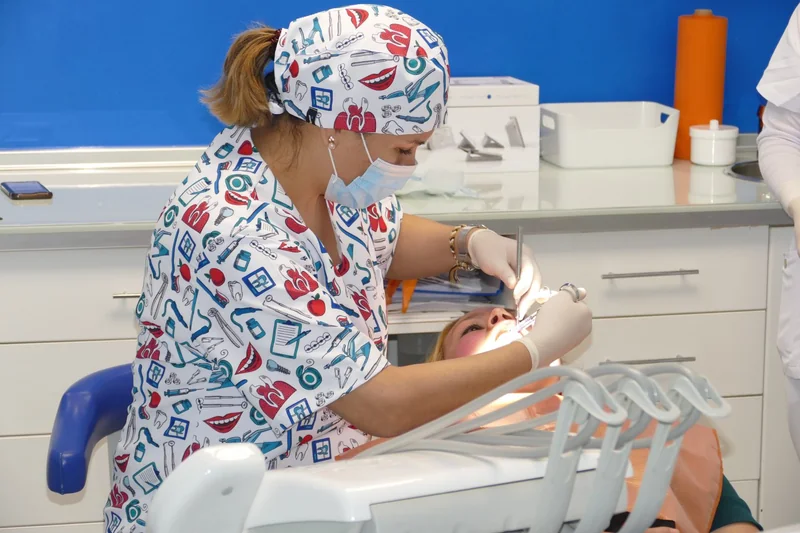
Oral health during pregnancy
Pregnancy is a time of incredible changes. Your body will be transformed in a way you would never have imagined and new challenges will be presented for those who may not be fully prepared. Fortunately, it is also a time when you will take care of yourself more than ever. Like all things in life, the care of your oral health during pregnancy has its own set of considerations and warnings that you should take into account. Maintaining an optimal level of oral hygiene during pregnancy will help prevent any problems or complications that may arise during this period, as well as in postpartum. The benefits of good oral health during pregnancy are numerous and very important for the overall well-being of the mother and child.
What is oral health?
Oral health refers to the health of your gums and teeth, as well as the health of your jaws and other supporting structures of your mouth. Healthy gums are pink, firm and do not bleed. Teeth must be clean, without cavities and strong enough to last a lifetime. Generally, oral health is related to your physical and mental well-being. Healthy teeth and gums are essential for eating, talking, and smiling. Oral health also influences your general health and may be a sign of other problems that occur in your body. For example, oral disorders may be a sign of diabetes, hormonal disorders, or heart disease.
Why is oral health so important during pregnancy?
The main reason that oral health is so important during pregnancy is that poor oral hygiene can cause diseases of teeth and gums, which can cause serious damage to you and your child. There is an increased risk of gingivitis and other oral diseases during pregnancy. This is not only because you are producing more hormones and body fluids, but also because your immune system is suppressed, which can make it difficult to fight any infection that arises. Even something as simple as bad breath can be a sign of a more serious problem. Pregnant women should take special care with their oral health, as dental problems can lead to premature delivery, low birth weight, and be harmful to the health of the baby once born.
Tips for Maintaining Oral Health during Pregnancy

- Brush and floss daily: You may already be doing it, but make sure you keep the same routine you had before you got pregnant. Change your toothbrush every 3 months or when your bristles start to melt or wear out. It is important to use your dental floss every day during pregnancy, as well as brush your tongue, to help prevent tooth decay and gum disease. Using your dental floss between your teeth and brushing your tongue can help prevent bad breath, which is a common problem in pregnant women. Avoid sugar-free products: Although it is important to avoid sugar, many sugar-free products contain sugary alcohols, which can be harmful to your teeth and can increase the chances of developing cavities. Instead, opt for normal products.
- Drink from a clean and safe water source: Try to avoid drinking tap water, as it may be contaminated with harmful bacteria. If tap water is your only choice, try filtering it or drinking it with a straw to prevent contaminants from entering your mouth. Bottled water is another option, but make sure it comes from a clean and safe source.
- Avoid smoking and drinking alcohol: Both activities can have a detrimental impact on your oral health. Avoid smoking cigarettes, which are full of harmful toxins, and excessive alcohol consumption during pregnancy.
- Go to a dentist during pregnancy: It may be a good idea to schedule a visit to the dentist during pregnancy in case something needs to be treated right away. This way, you can prevent any problems from getting worse and end up needing treatment after delivery.
Common oral problems during pregnancy
- Gingivitis: This is a common problem during pregnancy. You can avoid brushing your teeth and using floss regularly. Your dentist can also prescribe a special collutory to prevent gingivitis during pregnancy.
- Dental caries: It can be prevented by drinking fluorinated water, using a fluorinated toothpaste (read the label carefully) and by regularly visiting the dentist to clean you and apply fluoride treatments. Avoid eating sticky or sugary foods, which are more likely to accumulate bacteria and cause cavities, and make sure you clean your teeth and gums after eating.
- Toothaches: Your teeth may be more sensitive during pregnancy, so be sure to go to the dentist if you have toothache. The dentist may recommend that you take an over-the-counter painkiller. Avoid taking ibuprofen and other painkillers that may harm your baby.
- Gum disease: Be sure to visit your dentist regularly and maintain good oral hygiene. Avoid smoking and drinking alcohol. If you have gum disease, your dentist may recommend treatment, such as flossing, antibiotics, or even tooth extraction, depending on severity.
- Dental caries: This is the most common type of caries that you should avoid during pregnancy. Brush and floss regularly, and go to the dentist for cleaning and fluoride treatments. Avoid sugary, sticky foods, which are more likely to accumulate bacteria.
Dental care during pregnancy
- Periodic dental examinations: Make sure to visit the dentist regularly during pregnancy - at least every 6 months - to avoid problems and maintain good oral hygiene. Depending on the health of your gums, your dentist may recommend a cleaning before becoming pregnant and another during the second trimester.
- Fluorine treatments: If your gums are swollen, your dentist may prescribe a fluoride treatment. It is a special mouthwash that can be used safely during pregnancy and helps strengthen your teeth and gums. Fluoride is a mineral that prevents cavities by strengthening the structure of your teeth and reducing the growth of harmful bacteria in your mouth.
- Diet and nutrition: A healthy diet is important for general health, and it also applies to oral health. Choose healthy foods that do not damage your teeth. Avoid large amounts of acidic foods, such as citrus and soft drinks, that can erode tooth enamel.
- Avoid certain foods and drinks: Avoid very acidic foods, such as soft drinks, especially when you are scheduled to have dental intervention such as endodontics. Avoid caffeine and alcoholic beverages, as well as super spicy foods that can cause acidity.
- Talk to your doctor: If you're worried about your oral health during pregnancy, talk to your doctor. You can also talk to your dentist, as it's your best resource when it comes to keeping your teeth and gums healthy during this special time.
Maintaining good oral hygiene during pregnancy is very importantPregnant women should avoid smoking and drinking alcohol, as well as eating sugary and sticky foods. Regular dental visits, brushing and flossing, as well as fluoride treatments, can prevent tooth decay and gum disease. Be sure to talk to your doctor if you have any questions about your oral health during pregnancy.

General oral health information. Your dentist’s assessment is needed to tailor any recommendation to your individual circumstances.