Pulp treatment for baby teeth: what you need to know
Are you looking for a complete guide on the pulp treatment of temporary teeth? If so, it has come to the right place. In this article we will examine in depth the fundamentals of pulp treatment and the different techniques used to treat temporary teeth.
We will also talk about the benefits and risks of each technique, the necessary precautions to be taken and the aftercare tips to ensure the best result. With this information, you can make an informed decision about the best treatment course for your child's primary teeth.
So let’s start exploring the complete guide for the pulp treatment of temporary teeth.
Overview of the pulp treatment of primary teeth
Dental pulp is the soft tissue of the centre of the tooth It contains nerves and blood vessels that hold the tooth. If the tooth pulp becomes inflamed or infected, it is called dental pulpitis.
Dental pulpitis may cause severe toothache, swelling of the cheek and gums around the affected tooth and feeling warm in the mouth. Dental pulpitis may due to many factors, such as gnashing teeth, trauma, tooth decay, dental infection or dental misalignment.
The most common symptom of dental pulpitis in primary teeth is a dental abscess. teeth become sensitive and painful, and the gum that surrounds them is inflamed and reddened.
Types of pulp treatment
When dental pulpitis is diagnosed in a milk tooth, the dentist may decide to treat her. To do this, the infected tooth pulp is removed or the tooth is treated with antibiotics.
The choice of treatment depends on the severity of the infection, the age of the child, the position of the affected tooth and the state of the surrounding teeth. There are two types of treatment for dental pulpitis:
Benefits and risks of pulp treatment
The benefits of pulp treatment are that can save the tooth from extraction and, if done correctly, will not cause any harm or harm to the general health of the child. If it is a milk tooth, there are also some benefits.
Milk teeth are important for proper jaw growth and to space the permanent teeth. However, if a tooth of milk is extracted, it is important to replace that space for something so that the child's permanent teeth don't end up crooked. Otherwise, it may be difficult to correct the alignment later.
Precautions to be taken before pulp treatment
Before treatment is done, it is important to check your child's overall health to make sure that the treatment will not cause any harm.
Some general precautions are: – The child should not have an active infection. – The child should not be allergic to any medications or antibiotics. – The child should not take any medications that may interfere with antibiotics. – The child should not be allergic, for example, to latex or iodine. – The child should not be breast-feeding.
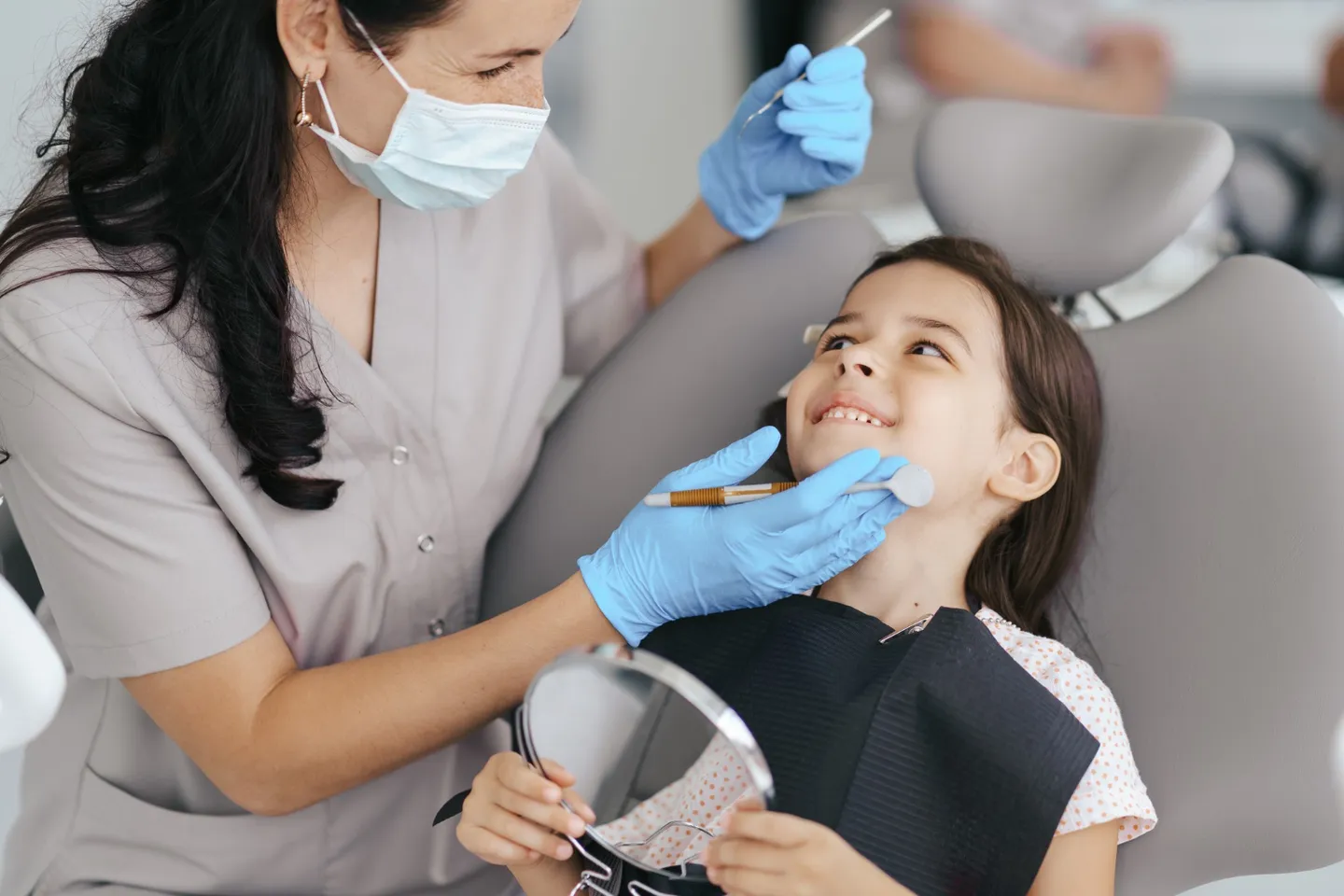
Different techniques used for pulp treatment
There are three main techniques for pulp treatment: – Irrigation, aspiration and incision and drainage – This technique is recommended for the treatment of dental pulpitis that has not spread to surrounding tissues. The infected pulp is washed with saline solution or water, and the opening of the tooth is sealed with a dressing.
– Extraction and antibiotics – Extraction of the infected tooth is recommended for the treatment of dental pulpitis that has spread to surrounding tissues. The dentist will then place antibiotics in the empty hole of the tooth or under the gum line. – Dental caries treatment – Dental caries can also cause dental pulpitis. The dentist will try to remove the cavities and restore the affected tooth.
After-treatment tips for optimal results
The most important advice to obtain optimal results after the pulp treatment of the primary teeth is adequate oral hygiene. clean the mouth, we recommend using a brush of soft bristles and toothpaste with fluoride.
A soft bristles brush is softer with the gums, which helps prevent further damage to the inflamed area. In addition, the use of an antibiotic mouthwash after treatment can also help prevent infection in the area. As for diet, it is recommended to avoid sugary foods.
This will help prevent the appearance of tooth decay and pulpitis. Finally, it is important to make regular breaks in the brushing of your teeth. This will allow your child's teeth and gums to rest and recover.
Summary of the pulp treatment of the primary teeth
In this article, we have explored the complete guide to the pulp treatment of milk teeth. We have treated the general view of the pulp treatment, the different types of treatment and their benefits and risksgeneral precautions to be taken before treatment and after-treatment advice for optimal results.
With this knowledge, you will be well equipped to make an informed decision about the best treatment for your child's temporary teeth.
General oral health information. Your dentist’s assessment is needed to tailor any recommendation to your individual circumstances.
Keep reading the blog