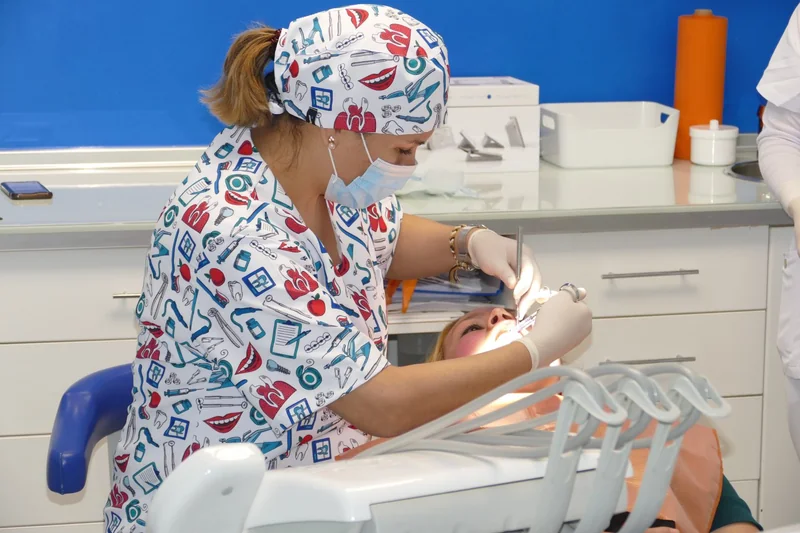
Pulpotomy in children
Octopotomy is a dental procedure that is commonly used to treat children's primary teeth when the cavities reach the pulp or nerve of the tooth. It is a less invasive alternative than complete endodontics and can help save the tooth from extraction.. This complete guide on octopotomy will explain what an octopotomy is, the steps of the procedure, and the benefits and risks of the procedure. It will also provide advice on how to care for your child’s teeth after octopotomy and how to prevent caries in the future. If you know the basics of octopotomy, you can make an informed decision on the best treatment for your child’s caries.
What is an octopotomy?
An octopotomy is a procedure that treats a child's primary carinated tooth by removing the infected part of the tooth and filling the remaining cavity with a rubber stopper. This can help prevent complete endodontics, which is necessary for teeth that have already infected the pulp. Octopotomy usually occurs in primary teeth and are not very common.
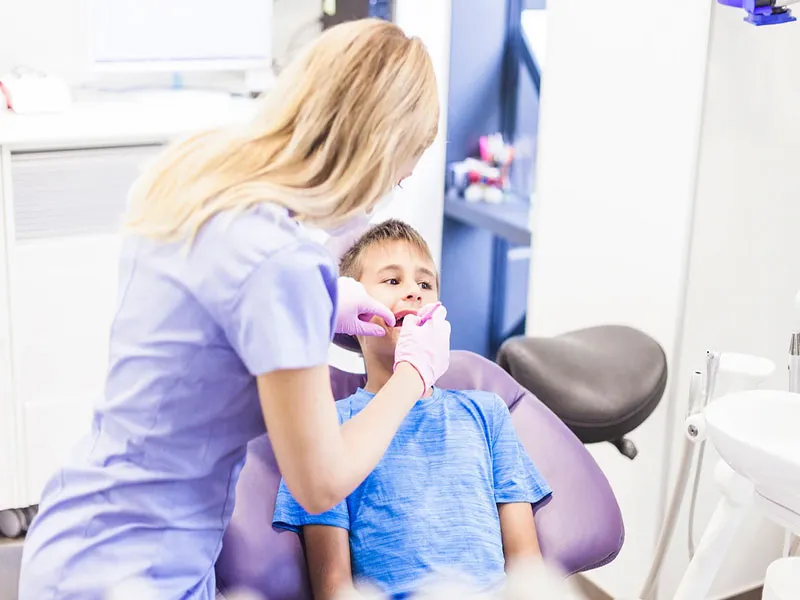
Steps of the Octopotomy Procedure
An octopus consists of removing the carinated part of the tooth and filling the remaining cavity with a rubber stopper, which then hardens and fills the space once the pulp tissue is removed.r. The procedure is performed under local anesthesia and does not require tooth extraction. dentist Remove the cary part of the tooth, remove the pulp tissue and fill the empty cavity with a rubber stopper to prevent bacteria from entering. The stopper is like a small rubber stopper that hardens around the tooth and prevents it from getting infected again.
Benefits of Octopotomy
Octopotomy is usually used in teeth that have cavities up to the pulp, but not to the root. Carinated teeth that are treated with octopotomy are less likely to need complete endodontics later. Complete endodontics can be painful and costly and some teeth that need them cannot be saved. Teeth that have undergone an octopotomy can be saved and may require less maintenance than teeth that have undergone endodontics. In addition, teeth that have had an octopotomy often cause less pain than teeth that have had endodontics. Teeth that have had endodontics may have continuous pain due to infection and may require antibiotics.
Risks of octopotomy

Although there are potential risks to teeth undergoing octopotomy, the risk is much lower than that of endodontics.. Teeth that have undergone endodontics need regular checkups because they can present continuous pain and become infected. This can be treated with antibiotics, but they are likely to be taken for the rest of their lives.
How to Care for Your Child's Teeth After an Octopotomy
The most important thing after an octopotomy is that your child brushes his teeth and flosses at least twice a day. Although the rubber stopper is likely to remain in the tooth, it will not reach the areas of the tooth that need to be cleaned. It is also important to avoid hard foods such as apples and carrots after an octopotomy. While you will want to avoid sugar, it is important to remember that a tooth that has had an octopotomy is more susceptible to caries.
Preventing caries in the future
Although an octopotomy can help treat a cary tooth, it does not prevent cavities. The best way to prevent cavities is to brush your teeth and use dental floss regularly. You can also visit the dentist every six months for dental cleaning and a check-up. It is also important to avoid foods and sugary drinks that can cause caries. A sugar-rich diet can cause caries, even in children. A sugar-free diet can help prevent caries. It is also important to make sure that all family members practice good oral hygiene.
Cost of octopotomy
The cost of an octopotomy varies depending on your child's dentist and where you live. An octopotomy is less expensive than an endodontics, so it can help save your child's tooth from being extracted and save him or her long-term money.
Alternatives to Octopotomy
If your child has a cavity in his or her milk tooth, it is important to treat it as soon as possible. Teeth that have cavities should be treated before they get worse and cause pain. The first step should be to remove the cary tooth, which can be done by simple extraction. If a primary tooth decay causes pain, the dentist usually performs endodontics. Endodontics is a procedure to remove infection from the inside of the tooth. While it is a common procedure, there are other options that can be used to treat primary tooth decay.
Octopotomy is a relatively simple procedure that can be done to treat teeth with pulpy caries. An octopotomy helps prevent root canals by removing the cary part of the tooth and filling the remaining cavity with a rubber stopper. It is important to know the risks and benefits of an octopotomy before deciding on a treatment..
General oral health information. Your dentist’s assessment is needed to tailor any recommendation to your individual circumstances.