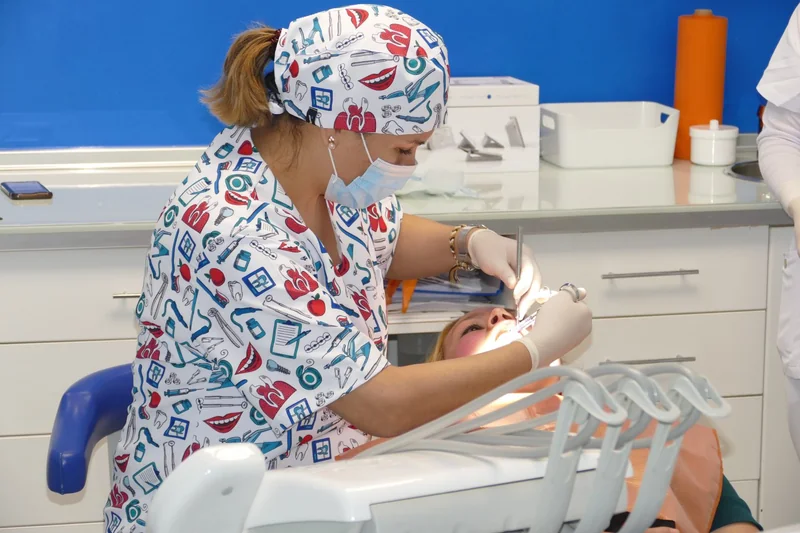
Tartar on teeth: how it is removed
In addition to affecting the health of the gums and teeth, tartar also causes the loss of oral aesthetics. If this dental problem is not treated in time, it will end up in a much more serious matter. Then, we teach you everything you have to know about tartar and what you must do to avoid it, or rather fight it. dentists in Spain We will know in depth about this pathology, and we will give you some useful tips to have good oral hygiene.
What is tartar?
It is known as dental tartar to the bacterial plaque that accumulates in the teeth until hardening. This process occurs by the deposit of minerals that form on the edge of the gums and below it. It is worth mentioning that the tartar can irritate all gingival tissues, making the gums and teeth more sensitive.
Through the tartar the bacterial plaque has a wider surface to grow, becoming more sticky. That's why the patient becomes more susceptible to more serious diseases such as caries or periodontitis.
The tartar is easily identified, unlike the colorless plaque. To locate it, you must check the area above the gum line. However, although the tartar is visible, it is best to go to the dentist to detect and remove it. And there are two types of tartar, yellow and brown.
And the black dental tartar?
The black tartar or dental calculus is known to mineralized substances that accumulate above the teeth, because of the bacterial plaque. To identify the black tartar, the specialist checks under the gums, because it is here that it is usually located. Its position, affects the teeth in its coloration.
The process of tartar due to inadequate dental hygiene progresses until it darkens and reaches a yellow, brown color, and in the worst case, black. The coloration of tartar also depends on the position in which it is found. Therefore, the black tartar appears under the gums due to the fluid materials found around it.
And the green tartar??
The difference between green tartar and black tartar is the process it has had in the teeth. As time goes on, tartar teeth become weaker, but when it has this coloration, there is still time to delay the effects of tartar. Therefore, you have to go to the dentist to perform the proper treatment.
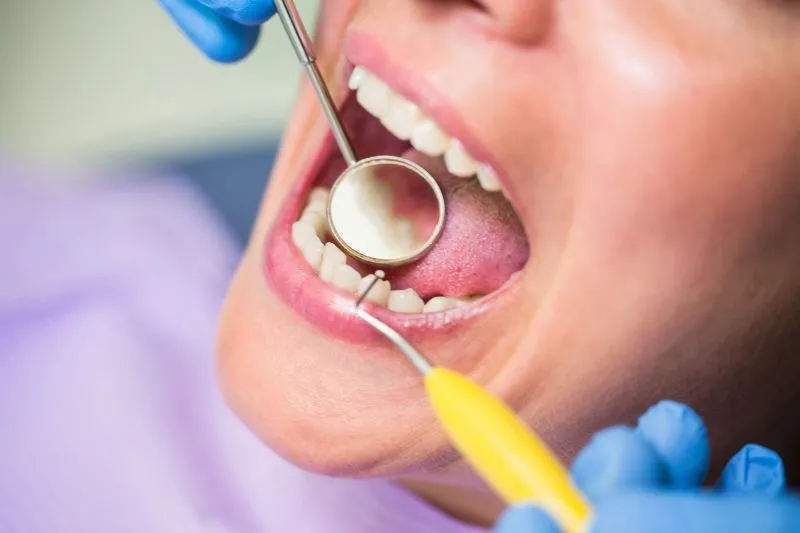
How to remove tartar?
To remove dental tartar it is necessary to go to the dentist. This is because the tartar is attached to the teeth, and a simple brushing will not be enough to remove it, especially because of the position in which it is located.
The methods for removing tartar vary according to the level of tartar in the teeth, and the coloration it presents. This happens because the darker the tartar, the more attached it is to the teeth.
Hygiene with rotary brush
The rotary brush has a head that can spin up to 8000 times per minute. The bristles are replaceable, allowing the brush to be renewed once they wear out. And so it happens with the batteries. So it lasts longer, saving money in the treatment against the dental tartar. Thanks to the rotation of the brush, complete cleaning and removal of the bacterial plaque is achieved.
Tartrectomy
This is the technical name of professional dental cleaning. Through this procedure, the tartrectomy completely eliminates tartar, bacterial plaque, and the stains they cause. And most importantly, the tartrectomy eliminates the stones formed by the mineralization of tartar. It does not matter if they are in the line of gums, interdental spaces and even inside the gums.
Periodontal maintenance
After a periodontal treatment, it is best to perform a maintenance, doing so, we managed to preserve periodontal health, in addition to avoiding complications. In addition, this treatment minimizes recurrences and reduces the chances of losing dental parts. Periodontal maintenance also treats other oral conditions, for example, it treats inflammation and infection of periimplantary tissues.
Periodontal treatment
When tartar is embedded under the gums, it is necessary to perform a curettage or root scraping. This periodontal treatment manages to eliminate tartar, slowing down the tissue destruction process. However, it will be the dentist who determines whether this is the best procedure because when the destruction of bone already occurs, more severe treatments will have to be used.
Consequences of tartar in teeth
In addition to being a disease, tartar affects the aesthetics of teeth. Of course, no one likes that ugly yellowish appearance of their teeth. However, the most important thing to keep in mind is that in the medium and long term worse situations can occur than having a bad dental aesthetic. If tartar is not removed correctly, you risk to suffer:
- Gingivitis, i.e. irritation and inflammation of gums.
- Halitosis (bad breath).
- Caries for bacterial plaque.
- Periodontitis, which in turn causes bone destruction and consequently mobility or loss of dental parts.
- In more extreme cases, systemic diseases and digestive problems.
How to prevent tartar teeth from home
Oral hygiene is imperative to maintain dental health. Therefore, to avoid tartar, you have to control this aspect, to do so, it is good to brush your teeth at least three times a day with a good brushing technique. To achieve this, you have to consider some aspects such as:
- A professional brush with soft bristles and small head that allows you to reach any denture surface.
- Use a fluoride toothpaste, which helps control the tartar. In addition, it strengthens the tooth enamel while fighting the bacterial plaque.
- Make use of the floss to remove the plaque between the teeth. Thanks to this, the tartar is prevented from accumulating in places that are difficult to access.
- Rinse daily with antiseptic mouthwash, to keep the bacterial plaque at bay.
- Maintain a healthy diet, avoiding sugary foods and acids harmful to teeth.
- Avoid bad habits like tobacco.
How often do I have to do dental cleaning?
In ODONTOFAMILY, we recommend that our patients do at least one oral cleaning per year. However, in some cases it may take one every six months; such periods are determined by the dentist according to the patient's oral health.

By continuing with a good dental cleaning routine, we avoid the presence of diseases such as periodontitis or gingivitis. Both diseases are reversible if we maintain good oral hygiene, both at home and following frequent professional dental treatment.
Do you need to fight tartar with dental cleaning?
In the presence of dental tartar, it is best to go to a dentist who offers us a quality dental treatment. In ODONTOFAMILY you have reliable professionals to eliminate tartar and keep the dental plaque at bay that over time could become tartar and damage the health of your teeth.
Contact dentists in Bilbao and receive the best service against tartar. Request an appointment and ask about our office closest to your house.
General oral health information. Your dentist’s assessment is needed to tailor any recommendation to your individual circumstances.