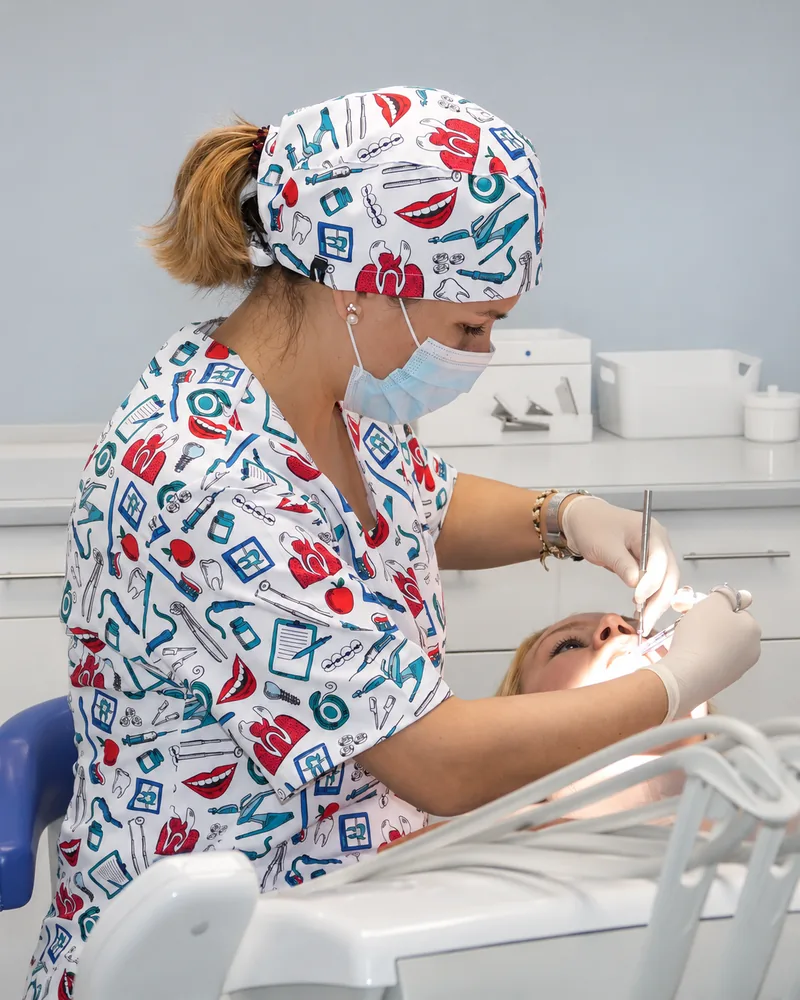
The benefits of interceptive orthodontic treatment

Orthodontic treatment is increasingly popular for people of all ages. interceptive orthodontic treatmentin particular, it is an excellent option for children who can benefit from early intervention in order to prevent more serious problems in the future.
This form of orthodontic treatment focuses on jaw correction and alignment of teeth in order to avoid the need for more invasive treatments in the future. By reading this article, you will know the numerous advantages of interceptive orthodontic treatment and why it is important for children to receive it.
With the help of your orthodontist, you can make sure your child's teeth and jaw develop properly.
What is interceptive orthodontic treatment?
Orthodontic treatment is the process of change the position of teeth and jaws There are two main types of orthodontic treatment: interceptive and non-interceptive. Interceptive orthodontic treatment is a preventive form of treatment that is done in children who are at increased risk of developing dental problems. It is usually done when the teeth have not yet fully erupted.
Treatments non-interceptive These treatments are more complex and can take longer than interceptive treatment. In addition to preventing dental problems, interceptive orthodontic treatment can also treat mandibular misalignment.
This is a common problem in children and is caused by changes in the growth pattern of the face.
Advantages of interceptive orthodontic treatment
The main advantage of interceptive orthodontic treatment is that avoid the need for more invasive treatments in the future. When treatment begins at an early age, teeth and jaws can be corrected before serious problems have developed.
Early treatment can also help prevent dental problems that can cause pain and discomfort, such as tooth decay, gum disease, or ATM. By correcting the jaw and aligning the teeth as soon as they begin to grow, orthodontic treatment can prevent future health problems.
In addition, interceptive orthodontic treatment can create a better smile and increase self-confidence in children. When teeth are well aligned, they are more attractive and the smile is more symmetrical. This can help children to perform better in school, join clubs and make new friends.
Signs that your child may need interceptive orthodontic treatment.
There are many signs that your child may need interceptive orthodontic treatment. If your child has prognatism, overbite, narrow teeth, or low implantation, initial treatment may start around the 7 years. However, if your child has a crossbite, stacking, or open bite, initial treatment may begin from the 3 years.
It is important to note that many of these dental problems can be avoided if your child receives proper oral hygiene from an early age. If your child's teeth do not grow properly, he or she risks developing clumps and misaligned teeth.
To determine if your child's teeth are growing properly, you can perform a self-diagnosis This test uses the color of your child's gums to determine if you have signs of gum disease. If your child's gums are red, swollen, or bleed easily when flossing, you may be at risk of developing gum disease.
Benefits of Interceptive Orthodontic Treatment
The main benefits of interceptive orthodontic treatment are that it can avoid the need for more invasive treatments and dental problems in the future, can create a better smile and can increase the confidence of children. Interceptive orthodontic treatment can also help improve your child's bite and jaw alignment, which can prevent problems such as ATM.
Interceptive orthodontic treatment can prevent dental problems such as tooth decay and gum disease, as well as improve your child’s dental health and oral hygiene. When teeth and jaw are properly aligned, it is easier to clean food after eating. This reduces the risk of tooth decay and gum disease.
Types of Interceptive Orthodontic Treatment
There are two types of interceptive orthodontic treatment, non-extraction and extraction (also known as tooth removalDuring orthodontic treatment without extraction, your child's teeth may only move a small amount or not move at all.
It's usually done for correct position It is the most common type of orthodontic treatment. During extraction orthodontic treatment, one or more teeth may be removed to correct the alignment of the jaw and teeth. This type of orthodontic treatment is usually done in adolescents or young adults.
Preparation for interceptive orthodontic treatment
Before starting treatment, your child’s dentist and orthodontist will conduct a thorough investigation of his or her teeth and jaws. The orthodontist will examine your child’s teeth, gums, and jaw to determine the best treatment plan for him or her. Before starting treatment, the orthodontist will also perform a X-ray to determine the position of the teeth.
This is important to determine the best treatment and detect possible medical problems, such as cavities. During the exam, the orthodontist is likely to ask you about your child's eating and oral hygiene habits. The orthodontist will explain the treatment to your child and offer you an opportunity to give your opinion about the treatment plan.
Your child may feel apprehensive about treatment, but you can help him or her calm down. During treatment, it is important for your child to follow the orthodontist's instructions and follow a daily healthy oral hygiene routine. This may include brushing his or her teeth twice a day with fluoride toothpaste, flossing, and visiting the orthodontist every 6 months.
Possible risks of interceptive orthodontic treatment
There are very few risks associated with interceptive orthodontic treatment. Some teeth may temporarily discolour or run the risk of cavities during treatment. However, these problems may be corrected during treatment, and most teeth will return to normal color.
During treatment, your child may experience some gum discomfort, but this is normal and will disappear after a few days. If your child has a device, it may be difficult to eat some food. To prevent food from getting stuck in the appliances, your child should eat soft foods such as yogurt, apple puree, and vegetable puree.
Tooth decay and gum disease are the most common risks associated with orthodontic treatment, especially when using braces. It is important for your child to use dental floss every day to reduce the risk of caries, and to visit his dentist every 6 months to receive fluoride treatment.
Cost of interceptive orthodontic treatment
The cost of interceptive orthodontic treatment will vary depending on the type of treatment your child receives and your age. Unextracted orthodontic treatment is usually less expensive than extraction orthodontic treatment. Although the actual costs of treatment cannot be determined until the orthodontist has finished evaluating your child’s teeth and jaws, you can use this page’s information to prepare for the costs of treatment.
Interceptive orthodontic treatment is a profitable long-term investment. It can prevent more serious problems in the future and improve your child’s smile and self-confidence. If your child is at risk of developing dental problems, interceptive orthodontic treatment is a highly recommended treatment option.
Find an experienced orthodontic specialist
When choosing an orthodontic specialist, it is important to take into account your experience and knowledge. An experienced orthodontic specialist will have received extensive training and will have treated many children with the same dental problems as your child.
The orthodontist should be able to explain the treatment plan and answer all your questions. When choosing an orthodontic specialist, it is also important to find one that is conveniently located near your home or work. This will make it easier to take your child to treatment and make the experience less stressful for him or her.
General oral health information. Your dentist’s assessment is needed to tailor any recommendation to your individual circumstances.
Keep reading the blog