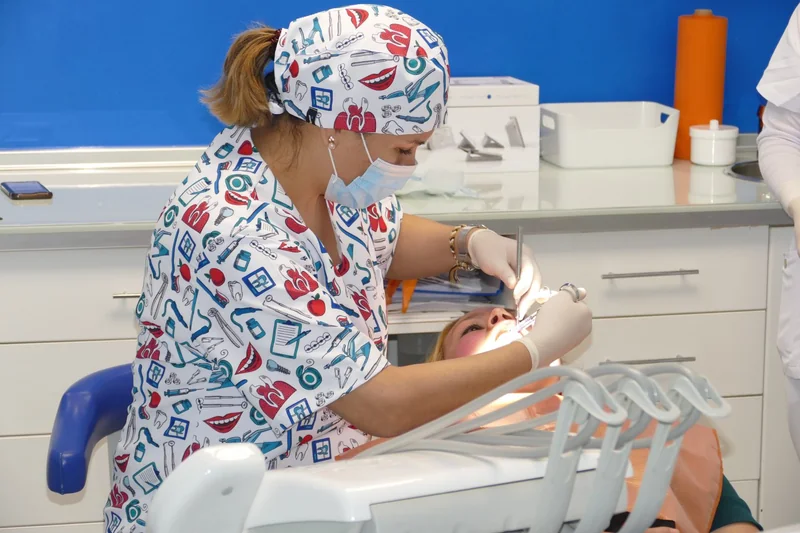
The role of dental hygienists
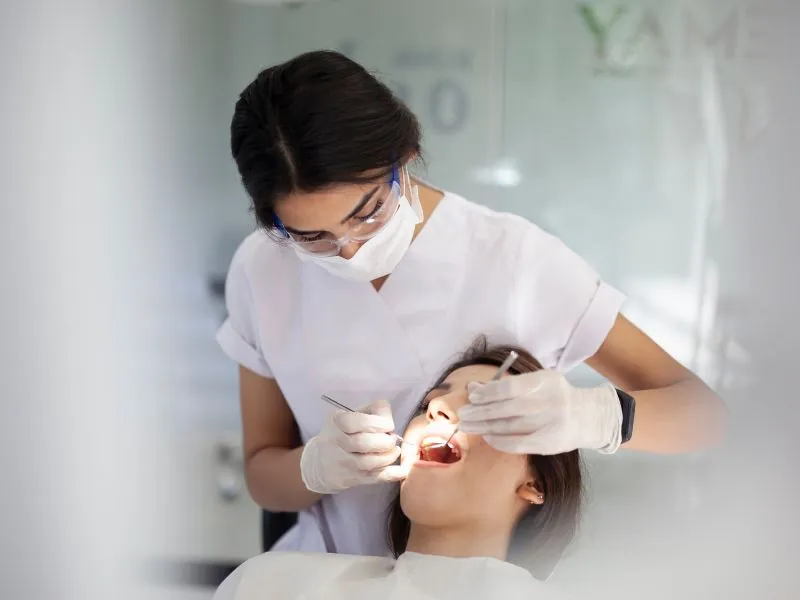
The role of oral hygienists in oral health care is fundamental to maintaining a healthy smile and preventing dental diseases. In this article, we will explore the different functions and treatments performed by these professionals, as well as their collaboration with other dental experts. From the elimination of plaque and dental stones to the administration of fluorides and dental sealants, oral hygienists play a crucial role in the prevention and treatment of oral diseases. In addition, their close collaboration with dentists and periodoncists guarantees comprehensive and coordinated care. If you want to know more about the importance of the work of oral hygienists in the care of your oral health, we invite you to continue reading. We promise you a radiant smile!
Functions of oral hygiene practitioners in preventive care
Importance of professional dental cleaning
The oral hygiene professional plays a key role in the prevention of dental diseases by performing professional dental cleaning. prophylaxis help eliminate the tartar and dental plaque, avoiding the formation of carieperiodontal diseases. Professional dental cleaning should be done regularly, as the brushing and flossing at home they are not always enough to eliminate all plaque accumulations.
During dental cleaning, the hygienist uses specialized tools to eliminate plaque and tartar accumulations, which helps maintain a good oral health. In addition, the hygienist can perform a Polished to remove stains and get a brighter smile.

Education and promotion of healthy habits
Another important function of the oral hygienist is education and promotion of healthy habits. The hygienist provides information on good oral hygiene, such as brushing techniques and flossing, adapted to the needs of each individual. In addition, it provides personalized recommendations to improve the oral health of patients.
The hygienist also performs visual and tactile examinations in collaboration with the dentist to detect oral problems and offer timely treatments. In addition, you can take dental x-rays to identify problems that are not visible to the naked eye, such as tooth decay or root infections.
In short, the oral hygienist plays a key role in preventive oral health care. He performs professional dental cleaning to prevent dental diseases, and educates and promotes healthy habits through personalized information and recommendations. His collaboration with the dentist in the early detection and treatment of oral problems contributes to maintaining good oral health in patients.
Treatments and procedures performed by oral hygiene practitioners
Removal of plaque and dental stones
Oral hygienists play a key role in removal of plaque and dental stones. Through the technique of dental scraping, the hygienist uses specialized instruments to eliminate the bacterial plaque and the accumulated tartar in the teeth and gums. This deep cleaning helps prevent periodontal diseases and cariessince plaque and tartar are primarily responsible for their formation.
Administration of fluorides and dental sealants
As part of their preventive work, oral hygiene workers are also responsible for administration of fluorides and apply dental sealantsThe fluoride is a mineral that strengthens the tooth enamel, making the teeth more resistant to acids and avoiding the appearance of cavities. dental sealants, for their part, are a protective layer that is applied on the chewing surfaces of the teeth, especially on molars, for prevent plaque buildup and the caries formation.
Prophylaxis and dental scraping
The dental prophylaxis is another of the procedures performed by oral hygienists. cleaning and polishing of teeth to remove stains, plaque and food remains. This technique helps to maintain a good oral health and a more aesthetic smile. In addition, hygienists also perform tooth scraping, which consist of removing plaque and tartar accumulations in the roots of the teeth, below the gum line. This procedure is fundamental in the treatment of periodontal disease.
Oral health care providers play a crucial role in oral health care. They perform treatments and procedures such as removal of plaque and dental stones, administration of fluorides and dental sealantsand the Prophylaxis and dental scraping. Their preventive and educational work contributes to maintaining a good oral health, prevent dental diseases and improve the quality of life of patients. In addition, their work in collaboration with dentists allows an integrated and efficient approach to oral problems.
Collaboration with other oral health professionals
Teamwork with dentists and periodoncists

Coordination in the prevention and treatment of oral diseases
The Dental hygienist plays a key role in the oral health team, working closely with dentists and periodoncists This collaboration is essential to ensure the proper prevention and treatment of oral diseases.
As a team with the dentists, oral hygiene These activities include the application of topical fluorides, the placement and removal of retractor threads or fissure sealants, the elimination of dental stones and stains, as well as scraping and polishing.
Coordination between the Dental hygienist and the dentist is essential to identify and treat in a timely manner possible oral pathologies. Dental hygienists They perform regular oral examinations and can help in the detection of dental and health problems in general. Their experience in interpreting and detecting possible oral problems is key to providing adequate treatment.
With regard to the prevention and treatment of oral diseases, oral hygiene They perform dental cleaning and prophylaxis procedures to eliminate tartar and dental plaque, thus preventing the formation of caries and periodontal diseases. In addition, they assume an educational responsibility by providing information on appropriate oral hygiene practices, such as brushing techniques and dental flossing, and offer personalized recommendations according to the needs of each individual.
The oral hygiene they also play an important role in the early detection of oral problems. They perform visual and tactile examinations in collaboration with dentists This work is complemented by dental X-rays, which help identify problems that are not visible to the naked eye, such as tooth decay or root infections.
In addition, oral hygiene apply sealants on the chewing surfaces of the teeth, especially on molars, to prevent the formation of caries. They also provide assistance to dentist during more complex procedures, ensuring an efficient and safe workflow when preparing the work area.
Another important role of Dental hygienist is to keep accurate records of treatments, X-rays, cleaning procedures and relevant observations on the patient's oral health. These records allow a more personalized approach to future visits and facilitate continuity in oral health care.
In conclusion, the collaboration between oral hygiene, dentists and periodoncists is essential for providing comprehensive oral care. oral hygiene They play a key role in the prevention and treatment of oral diseases, working closely with other oral health professionals to ensure optimal patient care. Through their teamwork, oral health is promoted and future complications are prevented.
In ODONTOFAMILY, our commitment is to provide you with complete and up-to-date information on oral care. In this article, we have summarized the important role played by oral hygienists in oral health care. From professional cleaning and education on healthy habits, to the realization of necessary treatments and procedures such as the elimination of plaque and dental stones, the administration of fluorides and sealants, as well as the performance of dental prophylaxis and scraping. In addition, we highlight the close collaboration with dentists and periodoncists, working as a team to prevent and treat oral diseases. We invite you to read more about these topics and others related in our blog ODONTOFAMILY, where you will find detailed and useful information to care for your oral health and that of your family.
General oral health information. Your dentist’s assessment is needed to tailor any recommendation to your individual circumstances.