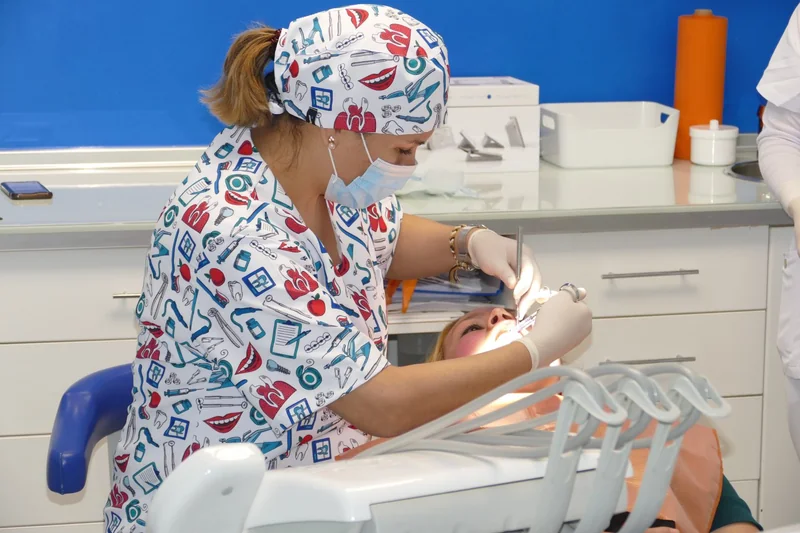
Tooth decay in baby teeth

Caries in the milk teeth.
Tooth decay is a common problem in childhood that, if not treated in time, can cause pain, infections, and affect the development of permanent teeth. Although these teeth are temporary, their care is essential to ensure adequate oral health in the long term.
Why are cavities produced in milk teeth?
The cavities in the milk teeth are caused by the demineralization of the tooth enamel due to the acids produced by bacteria present in the mouth. These bacteria feed on the sugars of food and drink, creating an environment conducive to the appearance of cavities. However, there are some habits that favor their appearance as:
- Common risk factors:
- Frequent consumption of sugary foods and beverages.
- Bed with the bottle (especially milk or juices).
- Transmission of bacteria from parents to children through utensils or kisses.
- Saliva with low level of natural defenses.
- Dietary habits that favor cavities:
A diet rich in simple carbohydrates, such as sweets, biscuits, soft drinks and sugary juices, increases the risk of caries. Sticky foods and foods that are often consumed between meals are especially harmful.
- Poor oral hygiene:
The lack of proper oral hygiene allows the bacterial plaque to accumulate, which favors the formation of acids and, therefore, the appearance of cavities. In young children, hygiene should be supervised by an adult until they have the necessary skills.
Causes of caries in milk teeth
- Pain and discomfort
Caries can cause pain, sensitivity to cold or heat, and bad breath. If they get worse, they can cause more serious infections that compromise the child's overall health.
- Problems in the development of permanent teeth
Milk teeth play an important role as guides for definitive teeth. If lost early by cavities, they can affect the alignment and development of permanent teeth.
- Infections and complications
Untreated cavities can advance to the tooth pulp, causing infections that may spread to nearby bone or tissues, affecting the child's health.
Does the tooth decay hurt?
Yes, cavities in the milk teeth can cause pain, especially when they have reached deep layers of the tooth. This pain can interfere with the child's food, sleep, and mood, affecting his or her quality of life.
How to prevent cavities in milk teeth?
- Proper oral hygiene from an early age
Brush your teeth at least twice a day with fluoride toothpaste (in an appropriate amount depending on age). Also, Monitor brushing until the child has the ability to do it properly.
- Healthy eating
Limit the consumption of refined sugars and sugary beverages and offer fruits, vegetables and water as main options.
- Regular visits to the dentist
Regular odontopediatra consultations allow early-stage caries to be detected and complications prevented. ODONTOFAMILYThese visits include preventive controls, dental cleaning and fluoride application, as well as personalized parenting guidance.
Treatments for caries in milk teeth
In ODONTOFAMILY, we have a specialized approach to the treatment of caries in children, combining modern technology, warm treatment and techniques suitable for every age. That is why we have dental treatments.
How do the cavities heal in the milk teeth?
Treatments vary according to the severity of the caries:
- Fillers and sealants
The fillings (or resins) allow the damaged tooth to be restored after the caries are removed. The sealants, on the other hand, are a preventive measure that protects the chewing surfaces of the molars.
- Extraction in severe cases
When the damage is extensive and the tooth cannot be saved, extraction is resorted to. In these cases, it is important to consider the use of space maintainers to avoid affecting subsequent dental development.
- Post-treatment care
After treatment, it is recommended to maintain good oral hygiene, control the diet and attend regular controls. The ODONTOFAMILY team offers constant accompaniment and individualized follow-up to ensure a successful recovery.
Ask for your valuation quote!
BILBAO GETXOGeneral oral health information. Your dentist’s assessment is needed to tailor any recommendation to your individual circumstances.