What are dental veneers?
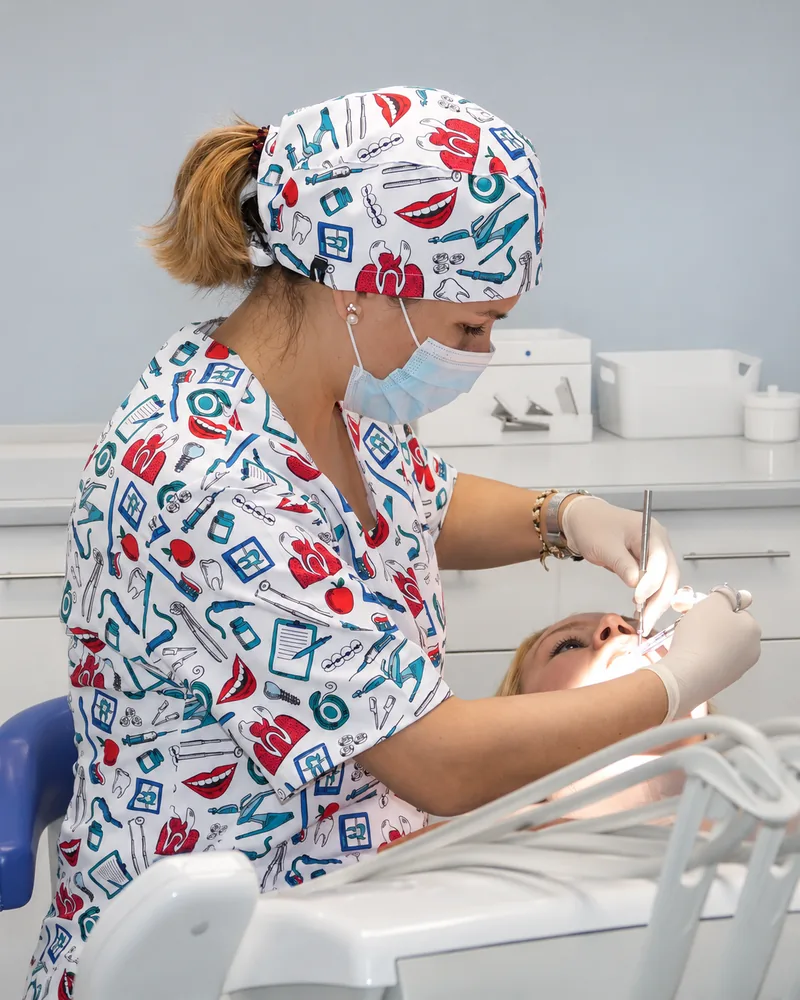
What are the dental veneers? The dental veneers consist of the application of thin sheets that cover the visible part of the teeth, with the aim of improving the appearance of the tooth.
What are veneers dental?
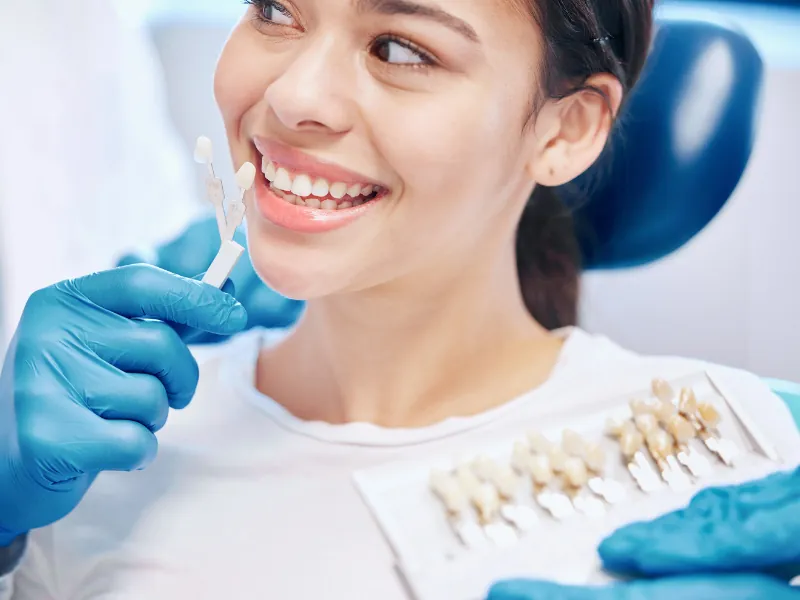
The dental veneers consist of the application of thin sheets that cover the visible part of the teeth, with the aim of improving the appearance of the smile. It is a purely aesthetic procedure, so it does not modify or improve the dental function.
Thanks to the dental veneers it is possible to correct the color of the teeth, repair fractures or breaks, close spaces between teeth (diasthemas) and restore the worn enamel, achieving a more harmonious and attractive smile.
What are veneers dental for?
The dental veneers serve to improve the aesthetics of the smile, correcting visible imperfections on the teeth. Although they do not have a deep restorative function or correct functional biting problems, they are an excellent option to transform the dental appearance quickly and effectively.
- Whitening stained or discoloured teeth.
- Cover fractures, splinters, or dental wear.
- Correct shape or size of teeth.
- Close spaces between teeth (diasthemas).
- Improve the slight alignment of teeth.
Types of dental veneers
- dental veneers of lumineers:
The dental veneers Lumineers are an innovative option within minimally invasive dental aesthetic treatments. Unlike traditional veneers, these ultrafine porcelain foils do not require tooth carving or anesthesia, making them a comfortable, fast and practically painless alternative.
Thanks to their translucency and personalized design, they adapt perfectly to each patient, offering a natural smile, uniform and harmonious.
- composite veneers dental:
Composite veneers are an excellent aesthetic option for those who seek to improve the appearance of their smile quickly, accessible and minimally invasive. They are made of a high quality composite resin, a material that mimics the color, texture and brightness of natural tooth enamel, and that is easily molded to suit the needs of each patient.
The dental veneers can be placed by two techniques, direct technique, sculpted directly on the teeth in a single session or indirect technique, designed outside the mouth (in laboratory). In both cases, the procedure may require a minimum or even no carving, preserving much of the natural dental structure.
- Porcelain veneers dental:
Porcelain veneers dental teeth are thin sheets that improve dental aesthetics. Unlike other materials such as composite, porcelain veneers dentals offer greater uniformity and color stability over time, making them one of the most durable and aesthetically pleasing options.
The procedure is not painful, although the carved can cause discomfort For this reason, local anesthesia is used to ensure the patient's comfort.
How are the veneers dental implanted? Step by step
The procedure for placing dental veneers is simple, safe and highly aesthetic. Although it may vary slightly depending on the type of dental veneer (porcelain, composite or Lumineers), the general steps are as follows:
- Diagnosis and choice of type of dental veneers:
A clinical and aesthetic evaluation of the smile is carried out, taking photographs, X-rays and, if necessary, a digital scan. Subsequently, the type of veneer dental ideal for each client is chosen.
- Preparation of the tooth:
Depending on the dental veneers that are sometimes made a carving of the enamel is necessary, in particular with the dental veneers of porcelain.
- Dental placement veneers:
Later, the dental veneers are tested on the teeth to verify color, shape and fit. A deep cleaning of the teeth is done and a special adhesive is applied and the dental veneers are cemented accurately. To do this, a photopolymerization lamp is used to fix the material.
- Adjustment and polishing:
The necessary adjustments are made to the bite and the shape of the dental veneers, are carefully polished to achieve a soft and natural texture.
Advantages of veneers dental.
The dental veneers offer an effective and durable aesthetic solution to transform the smile with remarkable and natural results. Below, we present its main benefits:
- Rapid and minimally invasive treatment
- Durability
- Resistance to stains
- Correction of defects
Who are ideal candidates for dental veneers?
Vereers are an excellent aesthetic choice for many patients, but not all are ideal candidates. This treatment is especially suitable for people who want to improve the appearance of their smile quickly and permanently.
- Patients with stained teeth
- Exhausted teeth or fractured teeth
- Separate teeth, irregular shape or mild misalignment
Care after dental placement veneers.
To ensure the durability, aesthetics and functionality of your veneers dental, it is essential to follow a series of daily care. With a good routine, your veneers dental can look perfect for many years.
- Maintain good oral hygiene
- Avoiding certain foods
- Conduct periodic reviews
Frequently Asked Questions about dental veneers (FAQ)
How much does it hurt to get dental veneers?
The placement of dental veneers is not painful. In some cases a slight discomfort may be felt by the tooth carving, but local anesthesia is used to ensure the patient's comfort.
How long do the veners last?
On average, veneers may last between 10 and 15 years, but it depends on factors such as good hygiene, regular checkups, and avoiding bad habits.
How much do the veners cost?
The price varies according to the material, the technique used and the number of dental veneers required.
Book your date!
BILBAO GETXOGeneral oral health information. Your dentist’s assessment is needed to tailor any recommendation to your individual circumstances.
Keep reading the blog