What does a dental hygienist do?
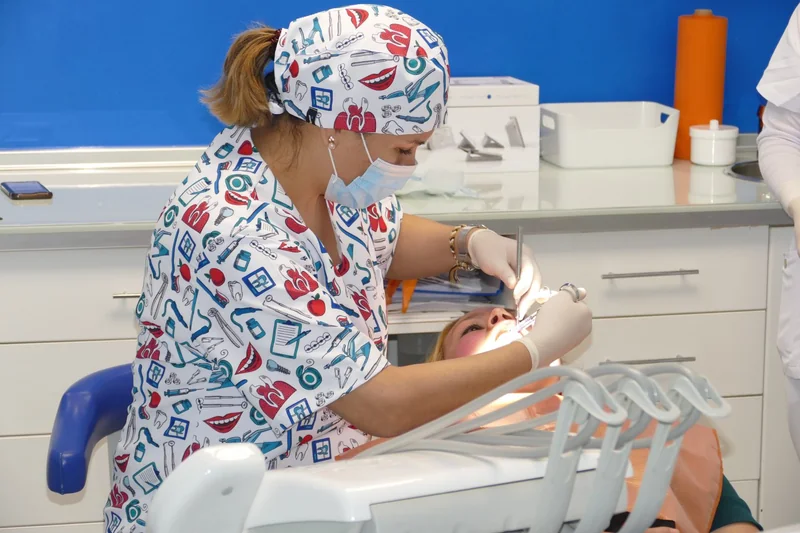
Professional oral hygiene professionals play an incredibly important role in maintaining their oral health. They not only provide invaluable service to help prevent oral diseases such as caries and gingivitis, but also provide personalized counseling and care to help ensure that your teeth and gums are kept in optimal condition. As a dental professional, a mouth hygienist can evaluate your oral health and make recommendations on how to keep your teeth and gums healthy and tooth free. Thanks to their extensive knowledge of oral hygiene practices and products, they can offer you preventive and therapeutic treatments to help you maintain your oral health. dental cleaning even advice on diet, lifestyle and home care, a mouth hygiene professional can help you get a nice, healthy smile.
Introduction to the Role of the Oral Hygienist

An oral hygiene professional is a dental professional who helps patients maintain their oral health through preventive and therapeutic procedures of oral hygiene. He may have seen these dental professionals at the dentist’s office, or he may have seen them advertise their services in magazines and billboards. Oral hygiene professionals have many responsibilities, but their main task is to promote good oral health through preventive treatments such as dental cleaning. Most people associate oral hygiene with teeth cleaning, but in reality it is much more than that. Yes, the main function of an oral hygienist is to clean teeth, but also provides information on other factors that affect oral healthl. For example, they can help you identify any dietary, genetic, or lifestyle-related factors that may increase your risk of oral diseases. They may recommend specific changes to your daily routine to help reduce these risks. Oral hygienists may also offer suggestions on how to select the best oral hygiene products for your specific needs. They may examine your teeth and gums, and may perform diagnostic tests that are necessary to identify or rule out any signs of oral disease. A mouth hygiene professional may also advise you on the best treatment options based on your specific needs.
Functions and responsibilities of dental hygienists
As mentioned above, oral hygienists focus mainly on promoting good oral health by cleaning teeth and preventive oral hygiene treatments. Although they are not able to diagnose or treat diseases, they can provide useful information that can improve their oral health. Below are some of the functions and responsibilities that dental hygienists can perform:
- Provide oral hygiene tips: Oral hygienists are trained to identify risk factors that may be increasing their risk of developing oral diseases such as tooth decay and gingivitis. They can also help you identify ways to address these risks and reduce the risk of developing oral diseases.
- Perform dental cleaning: This is the most common and known procedure performed by oral hygienists. They can help you maintain healthy teeth and gums by removing plaque and tartar from your teeth.
- Help with other oral health procedures: Some dental hygienists may offer additional dental health procedures, such as dental cleaning, scraping, and root straightening. These procedures can help remove plaque and tartar that can go unnoticed during dental cleaning.
- Provide education on dental health: a good oral hygiene professional will not only focus on your current oral health, but will also provide you with information on how you can prevent future oral diseases.
If you have any discomfort or signs of a serious oral disease, your oral hygiene professional will refer you to your dentist.
Benefits of regular visits to a oral hygienist
- Periodic dental cleaning: A dental cleanser will perform a complete dental cleaning every time you come to your office.
- Early detection of oral diseases: An oral hygienist can identify and control oral diseases such as tooth decay, gingivitis, and periodontal diseases such as periodontitis.
- Education in oral hygiene: Oral hygienists are trained to provide you with information on how you can improve your daily oral health.
- Output recommendations: A oral hygienist knows the different oral hygiene products that can be purchased.
- Professional dental cleaning: A dental hygienist can help you remove plaque, remains, and tartar from your teeth.
Regular procedures and treatments offered by oral hygienists
- Dental cleaning: One of the most common and essential procedures performed by dental hygienists is dental cleaning. This procedure removes plaque and tartar from the surface of teeth, helping to prevent tooth decay and periodontal diseases such as gingivitis and periodontitis.
- Scratching: Scraping consists of removing hardened tartar and plaque from the teeth. This procedure is often done in combination with dental cleaning, but can be done as an independent treatment.
- Radicular straightening: The root straightening is often done with scraping to help remove plaque and tartar from teeth and gums near the roots of teeth.
- Sealers: Sealers are used to cover the grooves of teeth, helping prevent tooth decay. Sealers are usually recommended to children and adolescents whose teeth are still forming. They can also be a candidate for sealers if you have a high risk of developing tooth decay.
- Fluorine treatment: Fluorine treatment is a procedure that applies a fluoride agent to the teeth, helping prevent tooth decay.
- Oral health education: Oral health education can help you better understand your oral health and how you can prevent future oral diseases.
- Dental X-rays: Dental X-rays can help identify serious oral diseases, such as a dental infection or cyst.
Tips and suggestions for oral hygiene to help maintain your oral health
- Brush your teeth twice a day: This may seem obvious, but it is important to brush your teeth at least twice a day to help prevent tooth decay and periodontal diseases such as gingivitis and periodontitis.
- Use dental floss every day: Many people know they should use floss, but they don't usually. If you want to maintain good oral health, you should turn the use of floss into a daily ritual.
- Take a healthy diet: What you eat can have a significant impact on your oral health. Some foods can increase the risk of caries, while others can help reduce it.
- Avoid excessive consumption of alcohol and tobacco: Drinking excess alcohol can reduce your ability to fight caries, while smoking can increase the risk of developing periodontal diseases.
- Visit your dentist regularly: Visiting your dentist every six months can help you identify orodental diseases and enable you to provide the most effective treatment.
- Watch your teeth all your life: It can help prevent tooth decay and periodontal diseases by caring for your teeth throughout your life.
What to expect during your appointment with the oral hygienist
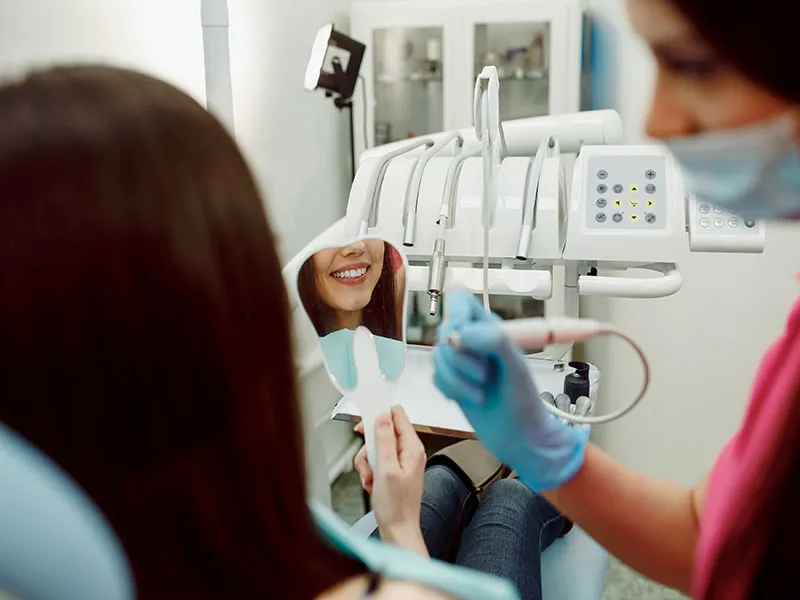
During your appointment, you will likely talk to your dental hygienist about your current oral health and any risk factors that may be increasing your risk of oral diseases. Your hygienist may want to examine your teeth and gums, and may recommend dental cleaning to remove plaque and tartar from your teeth. After the dental cleaning appointment, your hygienist will discuss the test results and give you suggestions on how you can improve your oral health at home. It will probably provide you with oral hygiene products that can help you get healthy teeth and gums, and you can also recommend dietary changes or other lifestyle changes that can help improve your oral health.
Types of oral hygiene products recommended by oral hygiene practitioners
There are many oral hygiene products available to help improve your oral health, but not all products are the same. Your mouth hygiene professional can help you select the best products for your specific needs. The most commonly used are:
- Toothbrush
- Rinse mouth
- Dental thread
General oral health information. Your dentist’s assessment is needed to tailor any recommendation to your individual circumstances.