What does deep dental cleaning involve?

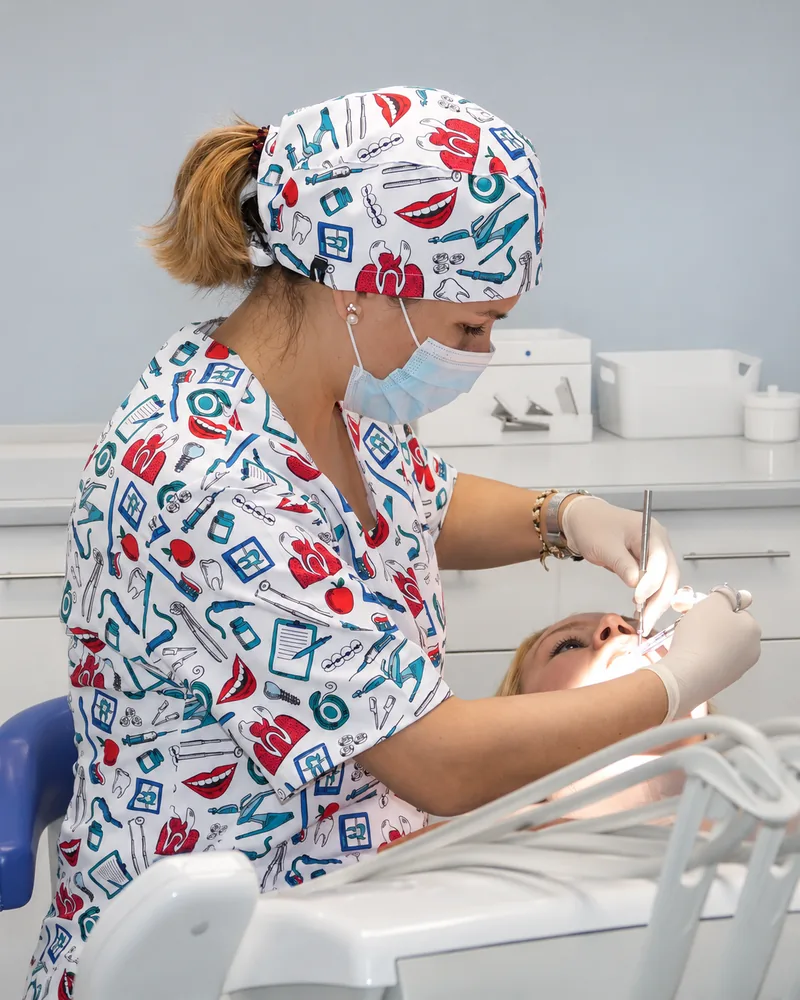
Deep dental cleaning is a fundamental procedure to maintain good oral health. It consists of the thorough removal of plaque and tartar accumulated in the teeth and gums, reaching areas of difficult access. Performed by a dentist, this treatment provides a deep and complete cleaning, eliminating bacteria and preventing dental diseases.
During deep dental cleaning, different procedures are carried out to ensure optimal oral hygiene. First, an initial examination and evaluation is carried out to identify any existing dental problems. Next, the removal of tartar and dental plaque is carried out, using special tools. Subsequently, the cleaning and polishing of the teeth is carried out, leaving them free of stains and soft to the touch. Finally, fluoride is applied and oral care recommendations are provided to maintain a healthy smile. A deep dental cleaning not only prevents dental diseases, but also improves the dental aesthetic aspect and reduces the risk of both oral and systemic complications.
Why is deep dental cleaning necessary?
The importance of prevention and maintenance of oral health
Deep dental cleaning is essential for preventing and treating periodontal diseases. It is a specialized treatment that can only be done by a dentist and requires continuous follow-up to maintain good oral health. Do not hesitate to consult your dentist for more information and keep your smile healthy.
Procedures for deep dental cleaning
Exploration and initial evaluation
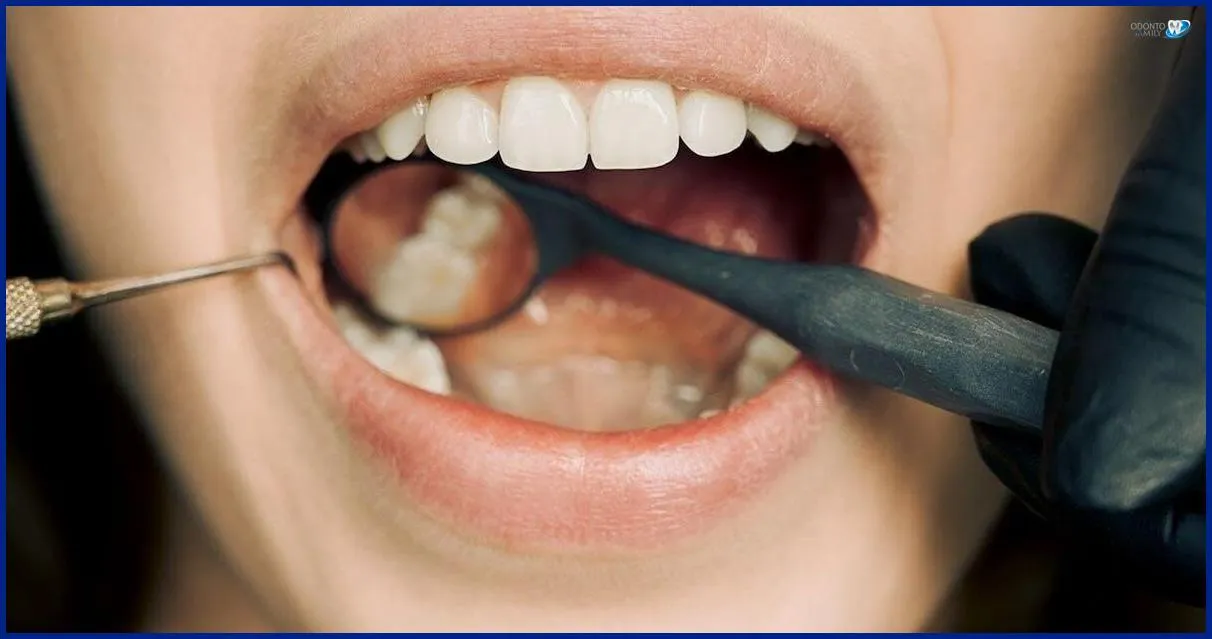
The first stage of deep dental cleaning is the exploration and initial evaluation. During this phase, the dentist performs a probe to measure the depth of tartar using a flowery probe. In addition, a periodontogram for a detailed diagnosis of each tooth, using different colors to indicate the level of presence of tartar. In case of infection, the dentist may conduct a microbiological study and prescribe a treatment with specific antibiotics.
Removal of tartar and dental plaque
Once the initial assessment has been completed, the removal of tartar and dental plaqueThis process, known as radicular scraping and straightening, consists of the elimination of subgingival tartar. In some cases, local anesthesia is given to ensure the patient's comfort during treatment. reduce the depth of periodontal bags and eliminate bacteria that cause periodontal disease.
Cleaning and polishing of teeth
After removing the subgingival tartar, the cleaning and polishing of teethDuring this phase, the dentist uses different tools for clean and polish the dental surface, removing stains and leaving the teeth with a brighter look.
Fluorine application and oral care recommendations
Finally, apply fluoride in the form of gel or mouthwash to strengthen tooth enamel and prevent the formation of cavities. In addition, the dentist provides specific oral care recommendations, such as proper brushing techniques and the use of dental floss and mouthwash. A regular visit to the dentist every six months can also be recommended to maintain good oral health.
Deep dental cleaning is a procedure that includes several steps to treat periodontal disease. It starts with an initial examination and evaluation, followed by removal of tartar and dental plaque, cleaning and polishing of teeth, and application of fluoride and oral care recommendations. It is important to follow all indications of the dentist and make regular visits to maintain good oral health in the long term.
Benefits of deep dental cleaning
Prevention of dental diseases
Deep dental cleaning is a fundamental procedure for preventing dental diseases such as gingivitis and periodontitis. These conditions are caused by the accumulation of bacteria and tartar in the gums, which can lead to inflammation, bleeding, bone loss and mobility of the teeth. By deep cleaning, bacteria and tartar are eliminated that cannot be eliminated with daily dental hygiene, which helps prevent the appearance of dental diseases.
Improvement of dental aesthetic appearance
In addition to preventing dental diseases, deep dental cleaning also has aesthetic benefits. During treatment, stains and tartar accumulated in the teeth are removed, resulting in a whiter and brighter smile. Bad breath caused by bacteria is also eliminated and gum health is improved, which contributes to a healthier and more attractive dental appearance.

Reducing the risk of oral and systemic complications
Deep dental cleaning not only benefits dental health, but can also have a positive impact on the overall health of the patient. The accumulation of bacteria in the gums may be related to certain systemic diseases, such as heart disease and diabetes. By eliminating bacteria and minimizing inflammation of the gums, deep dental cleaning can help reduce the risk of both oral and systemic complications.
Deep dental cleaning is essential to prevent dental diseases, improve the aesthetic dental appearance and reduce the risk of oral and systemic complications. It is important to go to the dentist regularly to perform this treatment and maintain good dental hygiene at home.
General oral health information. Your dentist’s assessment is needed to tailor any recommendation to your individual circumstances.
Keep reading the blog