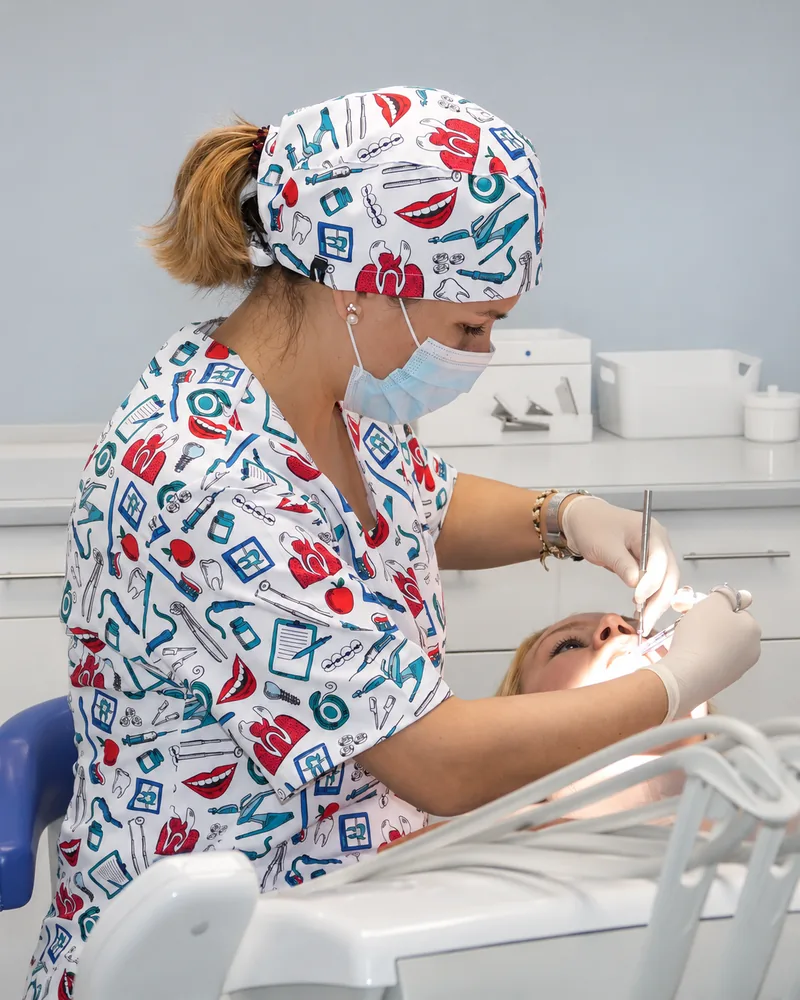
What is the difference between a dentist and an orthodontist?
Dentists and orthodontists are both medical professionals who help correct problems related to the appearance, alignment and function of teeth. Both diagnose and treat oral health problemsl. However, there are some key differences between the two professions. An orthodontist is a specialist who specializes in correcting crooked teeth using orthopaedic devices and other devices to achieve alignment. A dentist is a general practitioner who can perform all the procedures that an orthodontist can perform, but cannot specialize in a single area of dentistry. A dentist will have general training in the treatment of patients with various conditions, such as cavities or cavities. Orthodontists tend to treat only those with problems in the alignment of teeth, including jaw misalignment or situations of overbite/lower bite. Here is more information about the two professions to help you decide which one might be right for you:

What does a dentist do?
A dentist is a medical professional who specializes in the diagnosis and treatment of diseases and disorders of teeth, gums and related tissues. They also provide advice and instruction on the preventive maintenance of oral health.l. Dental professionals help patients with orthodontics, endodontics, periodontics, and prosthodontics. Orthodontics is the correction of misaligned teeth using orthopaedic devices, wires, and other devices. While endodontics is the treatment of pulp, nerves, and associated tissues within the tooth. Periodontics, on the other hand, is the treatment of gums and other soft dental tissues. And prosthodontics is the manufacture and adjustment of artificial teeth. While dentists can provide treatment for a variety of dental problems, they are usually not the first port of call when a serious problem arises. If you notice the first signs of a serious problem, you should schedule an appointment with a dentist immediately.
What does an orthodontist do?
An orthodontist is a dental specialist who provides care to patients with misaligned teeth. They specialize in correcting crooked teeth, misaligned jaws, and other dental problems through orthopedic devices, retainers, and other devices. Orthodoncists can also provide counseling and treatment for sleep apnea and ATM disorders (temporomandibular articulation). They can treat all age groups and perform diagnostic and preventive dental work. Unlike dentists, orthodontists are not qualified to perform endodontics or remove teeth. They can also treat patients who require orthopaedic devices or other long-term orthodontic devices. This means that they can track and monitor their progress. Orthodontists are especially qualified to recognize any dental problems that may complicate their treatment, such as gingivitis or other oral infections. If you have a serious dental problem, you should contact your dentist.
Dentists and orthodontists are both medical professionals who help correct problems related to the appearance, alignment, and function of teeth. Dentists are general doctors who can treat a wide range of dental problems, while orthodontists specialize in correcting only one area of dental health: crooked teeths. The main difference is that dentists treat patients with all kinds of dental problems, while orthodontists usually treat patients who are at least 12 years old and who have had their first dental rash. If you are a patient who has dental health problems, you can use this information to help you decide which profession would be the most suitable for you.
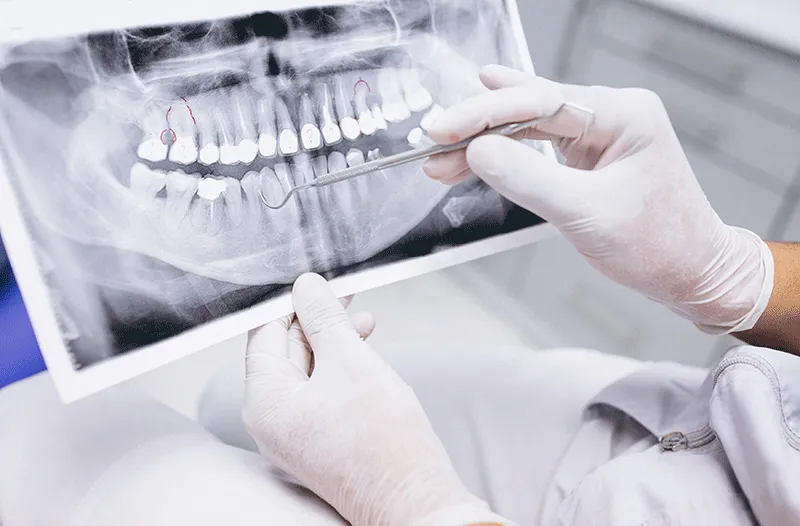
General oral health information. Your dentist’s assessment is needed to tailor any recommendation to your individual circumstances.
Keep reading the blog