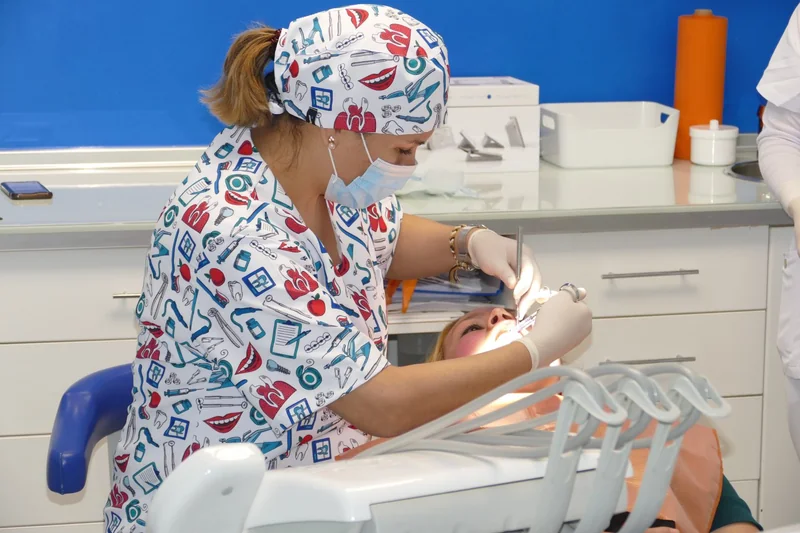
What is a dental filling?
A dental filling, also known as shuttering, it is necessary to repair teeth damaged by cavities This procedure consists of filling the affected space with resistant materials to preserve the tooth structure and avoid more invasive treatments such as endodontics if cavities are not treated in time.

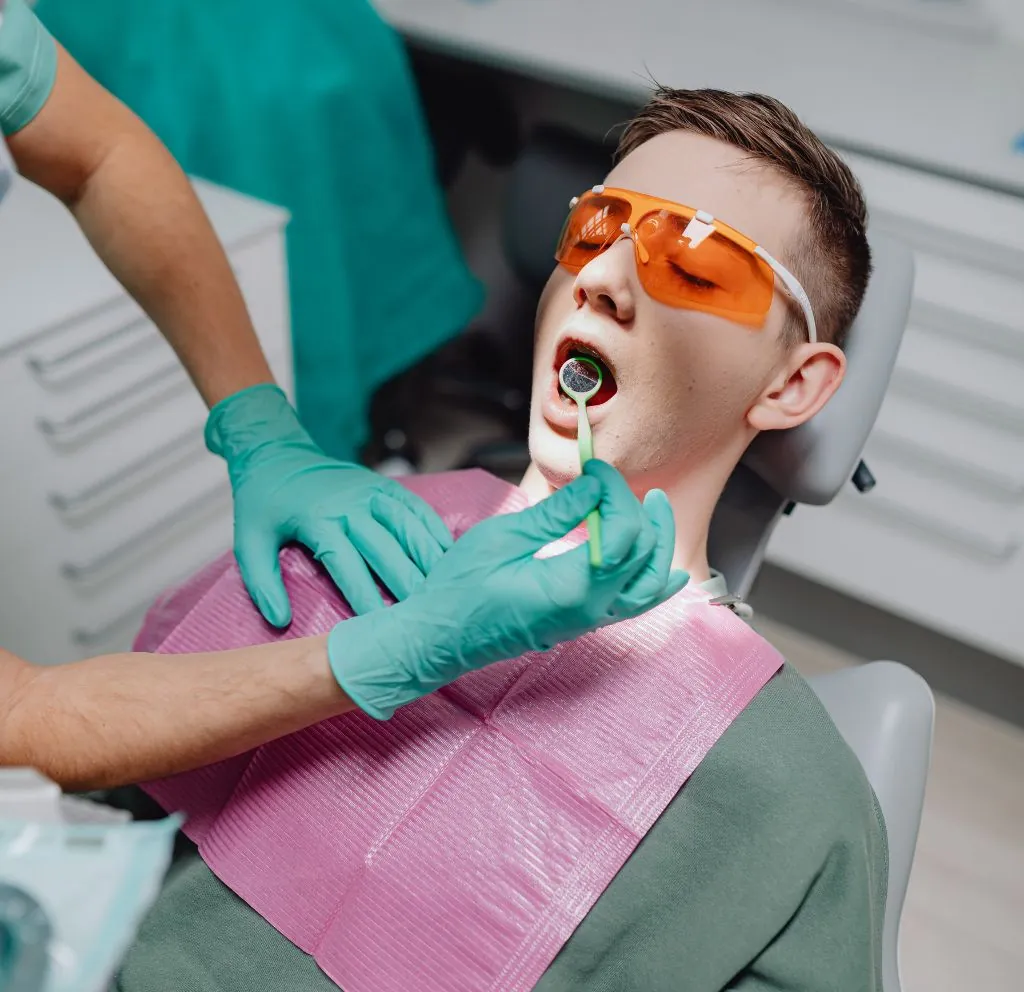
When should a dental filling be done?
In our clinical ODONTOFAMILY de Las Arenas (Getxo) we recommend dental filling treatment in the following cases:
- Caries: When there is presence of tooth decay, they are areas of demineralization and damage to the enamel that can progress if not treated.
- Small fissures or fractures: To repair small fissures or fractures in the teeth that can lead to the accumulation of bacteria and eventually to cavities.
- Replacement of old fillings: When an existing filling is worn out, fractured or leaked, it is necessary to replace it to prevent future complications.
- Tooth protection: Sometimes fillings are placed as a preventive measure to protect teeth that are at high risk of developing cavities.
- Cosmetic dentistry: In some cases, a dental filling is done for aesthetic reasons to improve the appearance of the affected tooth.
Types of dental fillings
Dental fillings that you can perform at our Getxo clinic.
- Mixtures of amalgam: Also known as silver fillings, they are composed mainly of a mixture of metals, such as mercury, silver, tin and copper. durable and resistant wear, ideal for teeth and back teeth that withstand great pressure when chewing. They are economical, easy to place and harden quickly.
- Composite fillings: They are fillings of the colour of the tooth, composed of a mixture of resin and glass or ceramic particles. They adapt aesthetically to the natural color of the tooth, providing a more natural appearance. Less invasive, better adhere to the tooth, require less removal of healthy dental structure and are a popular choice for frontal and visible teeth.
- Glass ionomer fillings: They are made of a combination of glass powder and organic acids, which release fluoride. Usually used in milk teeth and as a basis for fillings in permanent teeth. In addition, they release fluoride, which helps prevent the formation of cavities around the filling.
- Ceramic or porcelain fillings: They are Manufactured from ceramic or porcelain materials that adapt to the color of the tooth.
They provide excellent aesthetics and resistance, similar to natural tooth enamel. They are highly aesthetic and durable, ideal for visible teeth.
- Gold fillings: Made of gold alloys and other metals such as copper and silver. They offer excellent durability and corrosion resistance. In addition, they are very durable and biocompatible, although less aesthetic than other types of fillings.
How to care for a tied tooth?
Caring for a tied tooth is important to maintain your health and long-term durability. We advise you
- Have good oral hygiene
- Regular visits to the dentist
- Avoid harmful habits like biting hard objects like pencils or opening containers with teeth, as this could damage the filling or natural tooth.
- Controlling Sensitivity
- Attention to change, pay attention to any changes in filling color or unusual discomfort and report these symptoms to your dentist right away.

Price of a dental filling in Las Arenas (Getxo)
One of the most common questions of our patients is the cost of treatment. price of a dental filling in Getxo may vary depending on several key factors, so we always recommend a prior clinical evaluation.
The elements influencing the final budget are:
- The size of the caries: It is not the same as a complex reconstruction involving several sides of the tooth.
- The material chosen: The high aesthetic composite usually has a different cost to other materials.
- The complexity of the case: Whether the cavity is in an area of difficult access or very close to the gum.
In our clinics we believe in transparency. Before performing any treatment, we will provide you with a closed and personalized budgetNo surprises, so you can recover your dental health with total tranquility.
How do we make a filling at the ODONTOFAMILY Las Arenas clinic (Getxo)?
We understand that going to the dentist can generate some anxiety. So, in our Getxo clinic we bet on a fast, safe and safe procedure. totally painless.This is the step-by-step process:
- Local anesthesia: We apply anesthesia to numb the area around the tooth. You will not feel pain during surgery.
- Caries cleaning: We remove all damaged tissue and disinfect the cavity to remove bacteria and prevent the caries from appearing again.
- Filling of the cavity: We place the obturation material (usually composite) layer by layer, hardening it with a special halogen light.
- Polishing and adjustment: Finally, we polish the filling to give it shine and adjust the bite to ensure that you feel the natural tooth when closing your mouth.
Difference between filling and endodontics: What do I need?
It is common to confuse these two treatments when pain occurs. The main difference lies in the depth of injury:
- Dental filling: It is done when cavities have affected enamel or dentin, but has not reached the nerve It's a simple restorative treatment.
- Endodontics (killing the nerve): It is necessary when the infection has advanced and has affected the tooth pulp (the nerve). In this case, the pain is usually more intense and pulsatile.
If you have doubts about what treatment you need, do not wait for the pain to increase. An early diagnosis in our center can save your tooth with a simple filling, avoiding more complex treatments.

Advantages of changing amalgam fillings by composite
Many patients come to us to change their old silver fillings (amalgamous) beyond the obvious aesthetic improvement, this change offers several advantages:
- Natural aesthetics: The composite blends perfectly with the color of your tooth, making the filling invisible when smiling.
- Accession: Modern materials adhere chemically to the dental structure, which often requires removing less healthy teeth than with old amalgams.
- No metals: We eliminate mercury present in old amalgam seals, opting for biocompatible materials.
Dental emergencies in Las Arenas (Getxo)
Does an old filling hurt?
The fillings don't last forever. Over time, they can wear, fracture, or filter bacteria on their edges. sensitivity to cold or heat, pain when chewing or notes that a filling moves, it is vital to go to the dentist immediately.
Ignoring these signals can turn a simple repair into a greater urgency. If you are looking for quick attention for a filling fallen or broken in GetxoOur team will take care of you as soon as possible to ease the discomfort and restore your tooth.
Frequently Asked Questions
Does it hurt to get a dental filling?
No, not at all. Treatment is always done under local anesthesia, so the area is completely numb and you will not feel any pain during the surgery. Once the anesthesia effect has passed (a few hours later), it is possible to notice a slight sensitivity to cold or chewing, but this discomfort disappears quickly.
How long does it take to make a filling?
In our Getxo clinic, a simple shutter usually lasts between 30 and 50 minutes. We try to optimize the time to make your visit as comfortable and brief as possible, without sacrificing the quality of the result.
Can you eat immediately after a filling?
If the filling is from composite (the most common white material nowadays), it hardens instantly with halogen light, so technically you could eat. However, We recommend waiting for the anesthesia effect to pass (approx. 2 hours) to avoid accidentally biting your tongue, lip, or cheek while asleep.
How long does a dental filling last?
The durability depends on the material used and, above all, on the oral hygiene of the patient. Composite fillings have a half-life of 5-10 years, while other materials may last longer. In your annual reviews at our clinic we will monitor the state of the filling margins to ensure that they continue to seal properly.
What should I do if I drop a filling?
You should make an appointment urgently. Although it doesn't hurt at first, the inner dentin is exposed to bacteria and food remains, which can cause a rapid deep cavity or tooth fracture. Call us as soon as possible to clean the area and place a new one.
Do you think you might need a dental filling?
In our dental clinic in Getxo we have specialists who will evaluate your case and advise you the best type of filling, in case you need any.
Dental clinic in Ecuador
Las Arenas – Getxo
Monday – Thursday: 09:00 – 19:00
Friday: 10:00 – 14:00
Ibaigane Kalea, 13, bass, 48930 Getxo
(+34) 944 645 078
(+34) 639 225 367
Make an appointment