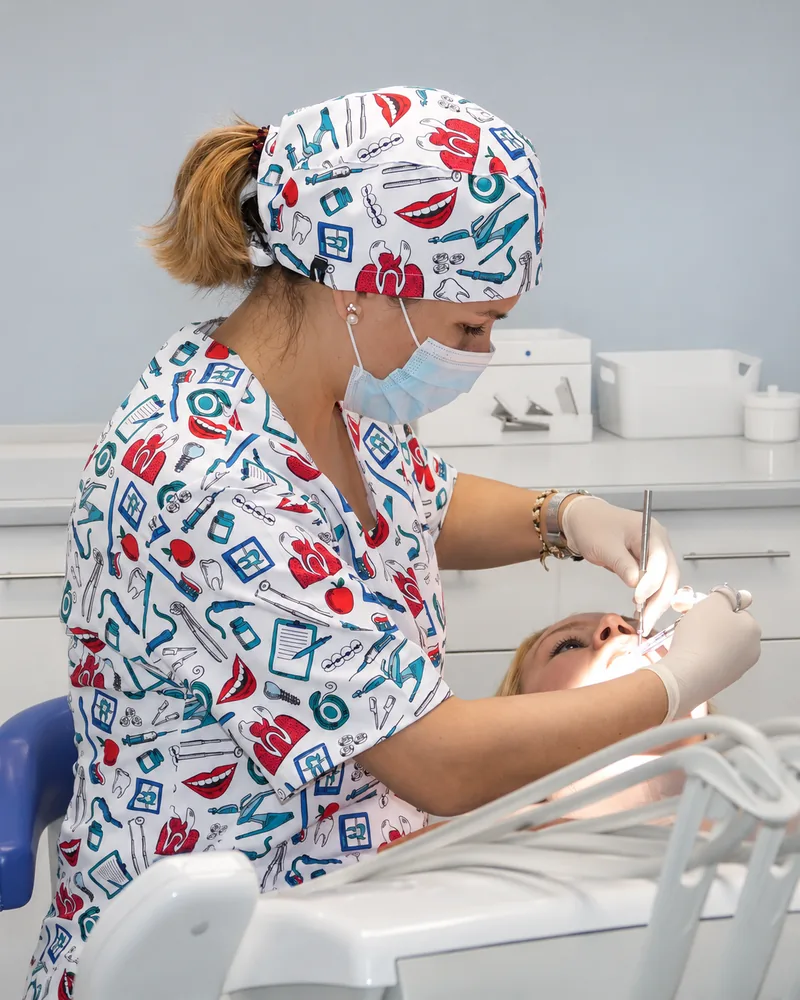
What are the oral frenula?
The oral devices are the most common orthodontic treatment. They are placed on your teeth to improve your aesthetics and health. There are several styles, from traditional metal braces to transparent braces. If you are thinking about putting on dental devices this is what you should know about the different types of braces available Today.
Types of mouth braces
There are four main types of mouth braces. Each type uses different materials and has different characteristics. Here are the four types of braces:
- Of metal: Metal devices use metal bands that place teeth in place.
- Transparent: The transparent are made of metal and plastic and fit to the front of the teeth. These brackets are almost invisible.
- Ceramics: Ceramic brakes are similar to transparent ones, but they are made of lighter (ceramic) material. They are also more expensive than transparent braces, but do not require as much maintenance as metal braces because they do not fade so quickly.
- Linguals: The lingual brackets are placed on the back of the teeth, instead of on the front as the traditional metal or ceramic brackets. They are made of stainless steel or nickel-free alloys, so you will not have allergic reactions to them as with metal brackets.
Problems that may cause mouth braces
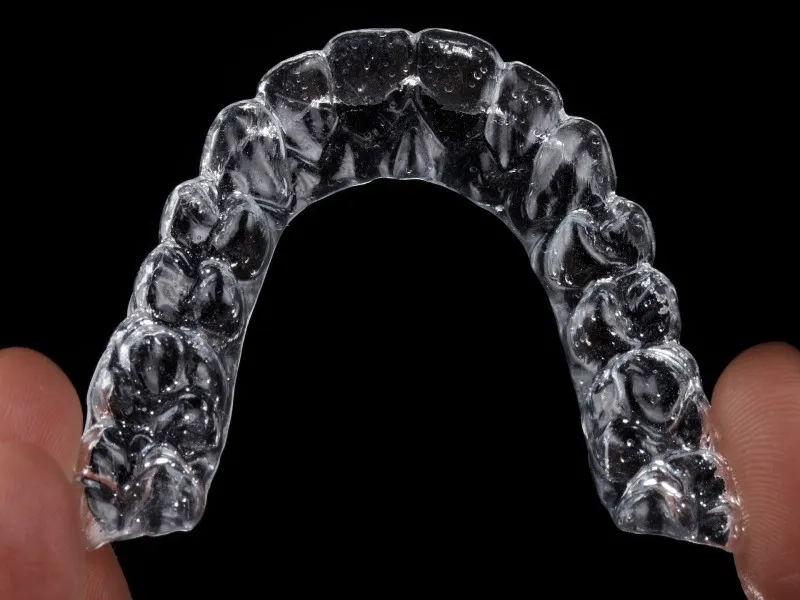
The braces are not only used to correct misaligned teeth, but also to improve the appearance of your smile. However, there are many problems that can cause you. For example, you can have these affections:
Bruxism: is the medical term used to describe grinding or tightening teeth while you sleep. This is a fairly common problem with people who grind teeth at night without even realizing until they wake up in pain and with damaged tooth enamel or with broken fillings or crowns.
Brackets loose: can cause incorrect alignment of teeth, so it is important to make sure they remain tight and safe throughout the treatment time. If the braces loosen up the teeth during treatment, they will need to be removed and replaced by a new set of braces that fit properly around the teeth again before continuing with the rest of the treatment.
Infection: Brakes and wires that keep teeth in place can become infected by bacteria from food particles or saliva. If this happens, your doctor may prescribe antibiotics or give you special cleaning instructions.
Gum disease: Brakes can rub gums, causing irritation and bleeding. This can cause gum disease if it is not treated properly.
The most common complaints of patients with braces are:
- Pain in the teeth or gums.
- Pain in the tongue, lips, or cheeks from pressure on the soft tissues of the mouth.
- Food jams between his teeth.
- Difficulty chewing certain foods (such as popcorn).
When oral brace treatment is required
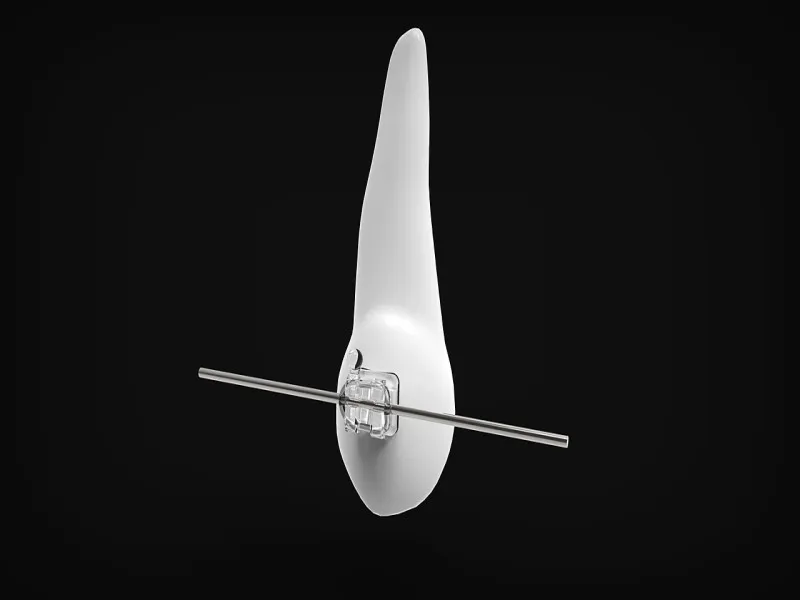
The orthodontics are the more common way of straightening teeth. They can also be used to correct the spaces between the teeth, or to fix the crooked or fastened teeth.
Brakes are used when you have to move only one tooth or a few. They are usually used to treat teeth. “tangled” because they can be easily removed. Removable devices can also help prevent cavities while in place, as they keep food particles away from the gum line and the surface of the teeth.
Solutions for mouth braces
The orthodontic devices may award many solutions to teeth problems thanks to a variety of methods, including:
- Adjustments: Sometimes it is necessary to move your teeth to be better aligned. This can be done by pressing the ligatures or moving your teeth in place with rubber bands.
- Retainers: These are removable plastic devices that prevent teeth from getting back out of position after treatment is finished. The retainers are worn at night for several months or years after treatment is finished.
- Extractions: It may be necessary to remove teeth if they are too stacked or malformed to correct the bite correctly. Missing teeth can also cause problems with bite and jaw function.
- Implants: implants are small titanium cylinders that replace lost teeth permanently by anchoring artificial crowns (funds) on the jaw bone. They are usually recommended when more than two teeth are replaced, especially if there is not enough bone for implants. When these implants are placed next to mouth braces it is because the patient does not have a tooth to place the brace, so this type of false “tooth” is necessary.
General oral health information. Your dentist’s assessment is needed to tailor any recommendation to your individual circumstances.
Keep reading the blog